A Landlord’s Guide to Asset Protection in 2026

Management One is proud to announce that Ron Sudman, our CEO, has been featured in Forbes as a writer and contributor to the Forbes Business Council. His latest article, “Sole Proprietors, LLCs And Umbrella Insurance: A Landlord’s Guide To Asset Protection,” provides critical insights for rental property owners navigating today’s increasingly complex legal landscape.
Here you go……………….
For more than 40 years, my company has guided landlords through the complexities of property ownership. In that time, we’ve seen too many owners learn the hard way: One lawsuit can destroy decades of wealth-building and jeopardize their future retirement and the legacy of generational wealth. The choice between holding property as a sole proprietor or a limited liability company (LLC), along with your insurance policy, can determine whether your financial future is stable or rocky.
Sole Proprietorships
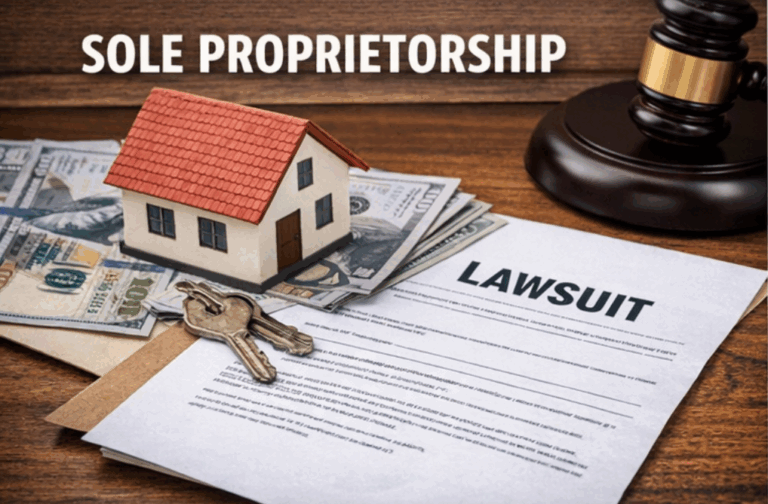
A sole proprietorship is “an unincorporated business owned by a single individual who is entitled to all profits and responsible for all debts and obligations,” according to Investopedia. Sole proprietorships are a simple business structure, but they could leave landlords vulnerable to legal action and the potential loss of their assets in the event of a case.
Pros Of Sole Proprietorships
- They’re relatively easy to start and maintain and have “fewer business fees” than LLCs, according to Nerd Wallet.
- Income may be reported on your personal tax return, Nerd Wallet also said.
- You have full control of decisions and profits.
- You don’t have to get anyone else’s permission to make improvements.
Cons Of Sole Proprietorships
- This structure has unlimited personal liability. If a tenant or guest is injured on your property, your assets may be at risk, including your rental properties, your personal home, savings, and other assets.
- Some landlords may find it challenging to attract partners or secure financing.
I’ve seen these risks through my company’s work. For instance, before working with us, one of our clients was sued by a tenant who tripped and fell on a cracked city sidewalk in front of his home. He drained his savings and mortgaged his home to cover the costs associated with his defense. He won the case, but not without great cost. After the case was over, he made some changes to how the property is held to better protect his financial future.
LLCs
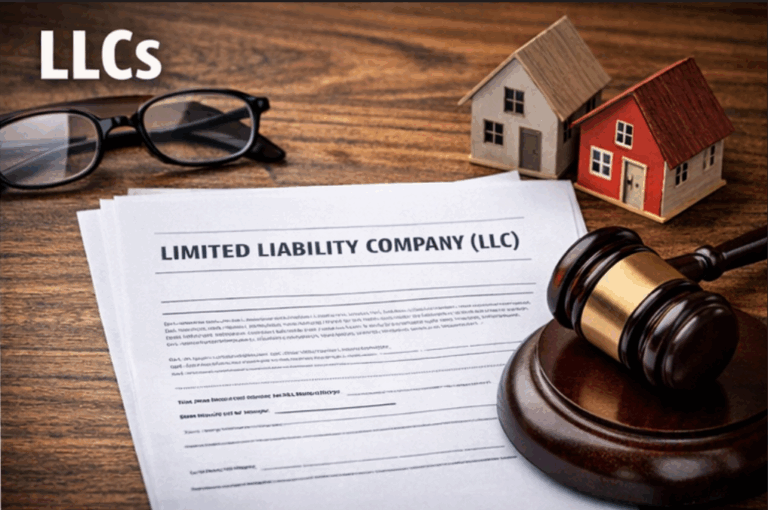
According to Forbes Advisor, an LLC is “a common business structure for small businesses, entrepreneurs and freelancers.” For landlords, an LLC has its pros and cons, which must be evaluated to determine if this is the best course of action.
Pros Of LLCs
- You have more asset protection. Per the aforementioned Forbes article, business liabilities, such as lawsuits, are generally limited to the LLC’s holdings, which can help protect personal wealth.
- There are potential tax benefits, Forbes also said, depending on how you elect to have the LLC taxed.
- Professional credibility, as lenders and tenants may view LLCs as more legitimate.
- Some landlords choose to individualize each property in separate LLCs to limit exposure to just the singular LLC (though there are potential drawbacks to consider with this option).
Cons Of LLCs
- Formation and other required fees can add up and vary from state to state.
You need to maintain separate accounts and records. Comingling with your personal funds “can dismantle the legal and financial protections the LLC provides,” according to LegalClarity. - Some lenders require personal guarantees, which reduces the benefit of using an LLC.
Umbrella Insurance
While an LLC creates a legal barrier, some use an umbrella policy as a financial safety net. According to Forbes Advisor: “Umbrella insurance provides coverage beyond your liability insurance limits, which can pay out if you or your household members accidentally cause property damage or injuries to other people. Umbrella coverage can also protect you or your household members if they are sued. Whether you need umbrella insurance depends on your assets, the risks you face, and what you have to lose.”
The cost of an umbrella policy typically falls around $383 per year for $1 million of coverage, Forbes said. That’s about $32 a month. Rental property insurance premiums may be tax-deductible.

Pros Of An Umbrella Policy
- It extends liability coverage.
- Policies may cover legal defense costs.
- It’s a relatively affordable way to buy peace of mind.
Cons Of An Umbrella Policy:
- If damages exceed policy limits, personal wealth could still be at risk.
- There may be exclusions for intentional acts or gross negligence, and the policy may not cover damages caused to your personal property by you.
Choosing Your Protection Strategy
For landlords, you might find a sole proprietorship to be suitable if you’re just starting out with one unit and want minimal costs. An LLC may be ideal if you have multiple properties or significant personal assets. Umbrella insurance can add coverage whether you own personally or opt for an LLC, layering protection for catastrophic events.
Final Word
Landlords don’t typically lose sleep over clogged drains, but rather over the thought of losing personal assets in a lawsuit. The question isn’t whether you should protect your investments; it’s how much protection you need. Make sure you weigh the pros and cons of sole proprietorships, LLCs, and umbrella insurance to find the model right for you.
The information provided here is not legal advice and does not purport to be a substitute for advice of counsel on any specific matter. For legal advice, you should consult with an attorney concerning your specific situation.




Related Posts