Landlord Insurance in California: What Rental Property Owners Actually Need in 2026
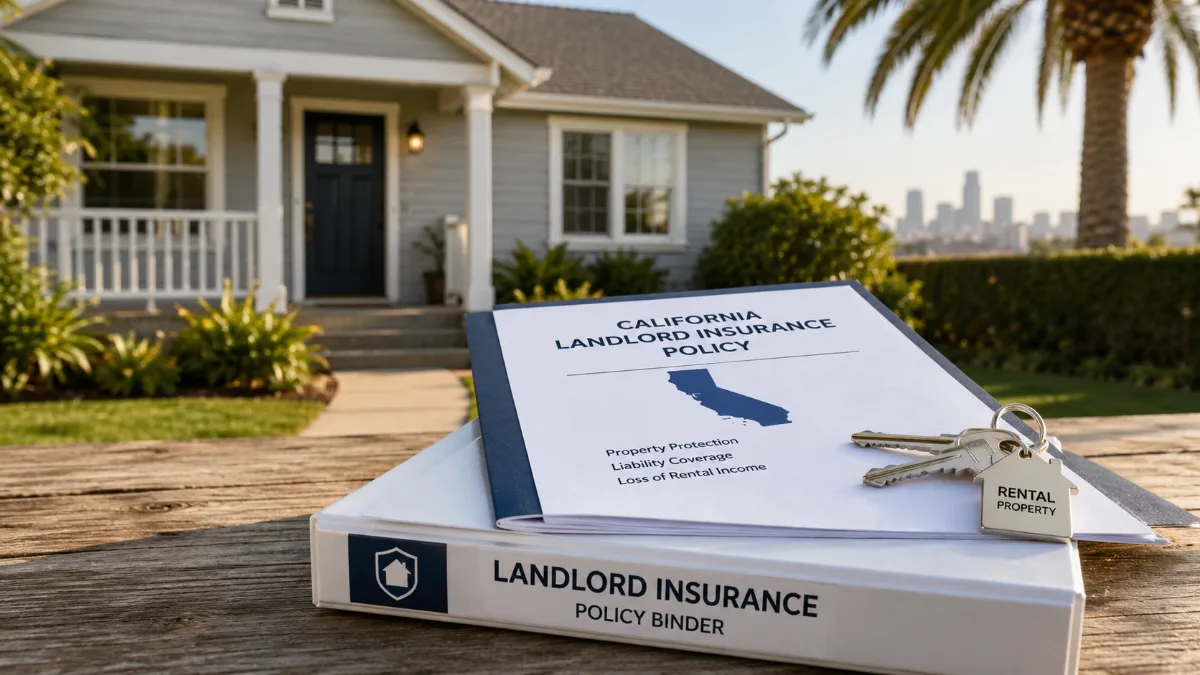
Insurance is the quiet line item that decides whether a single fire, lawsuit, or extended vacancy is a manageable claim or a financial disaster. Yet many California rental owners are underinsured without realizing it – often because they are relying on a homeowners policy that was never designed for a tenant-occupied property.
This guide breaks down what landlord insurance in California actually covers in 2026, the difference between dwelling fire policy forms (DP1, DP2, DP3), why a homeowners policy can leave you exposed, and how renters insurance fits in. It is general information, not legal or insurance advice, and is current as of July 2026.
Why a homeowner’s policy fails on a rental
A standard homeowners policy – the HO-3 – is built on the assumption that you live in the home, maintain it day to day, and the people inside are your family and guests. The day you hand the keys to a tenant, every one of those assumptions breaks.
If you file a claim on an HO-3 for a property you don’t occupy, the carrier can deny it on the grounds that the home was rented. Worse, you may have thought you were covered for years while quietly carrying no real protection at all.
“My homeowners policy covers it” is the belief that sinks the most landlord claims. If a property is rented, you need a landlord policy – full stop.
The dwelling fire family: DP1, DP2, DP3
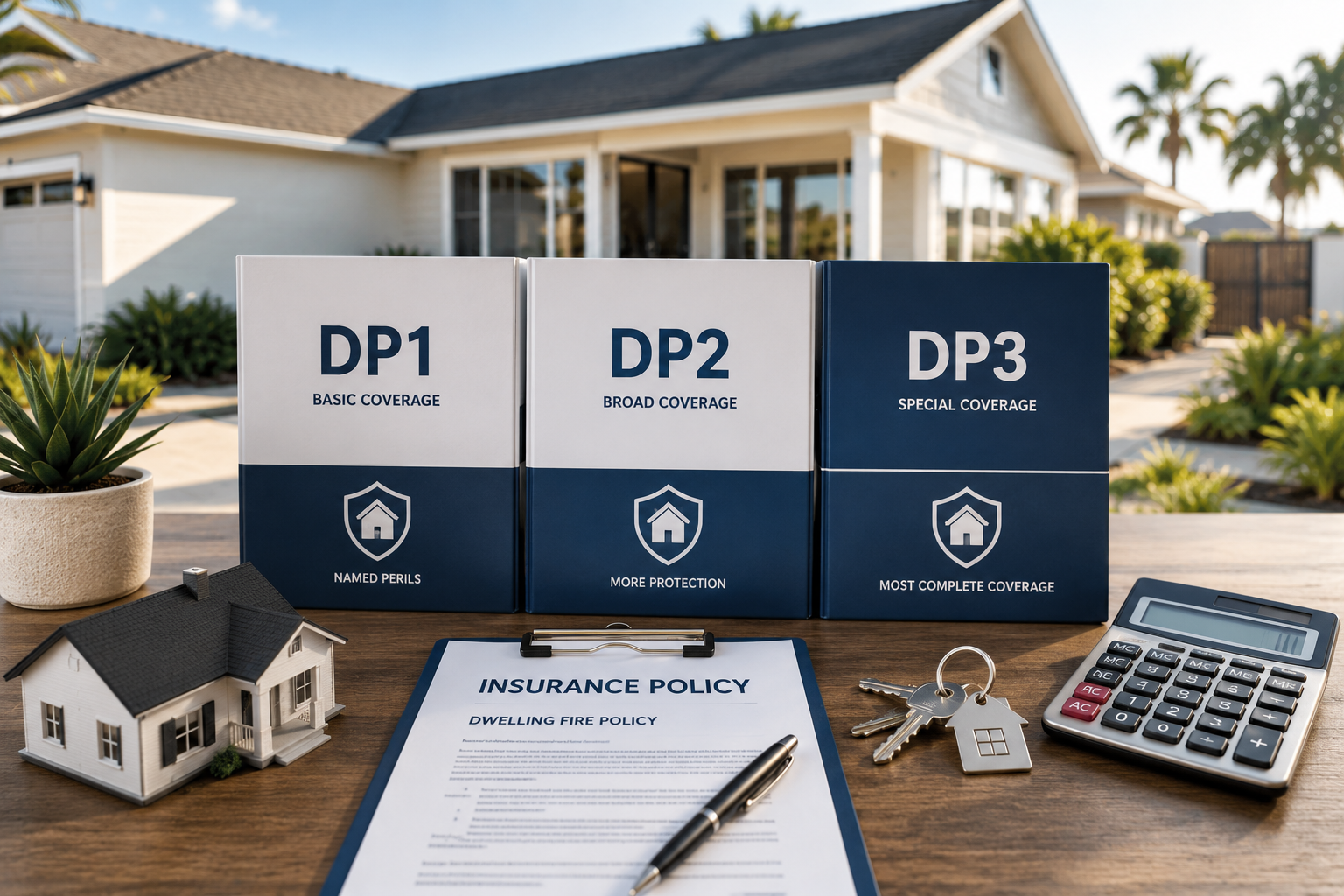
Landlord insurance in California is usually written as a dwelling fire policy, and the form number tells you how much it covers:
- DP1 – basic form. Named-peril, the narrowest and cheapest. Covers a short list of perils (fire, lightning, sometimes vandalism) and often pays actual cash value, not replacement cost. Common in older or hard-to-insure homes.
- DP2 – broad form. Covers a longer list of perils and typically pays replacement cost. A middle option.
- DP3 – special form. The most comprehensive. It is open-peril (all-risk), meaning it covers any cause of loss to the structure unless the policy specifically excludes it, and it pays replacement cost. This is the most common choice for California rentals.
What landlord insurance should include
Beyond the dwelling structure, a well-built landlord policy adds protections that a homeowners policy doesn’t:
- Liability coverage. If a tenant or visitor is injured on the property and sues, liability coverage handles defense costs and damages. This is non-negotiable for a rental.
- Loss of rent (fair rental value). If a covered event – say a kitchen fire – makes the unit uninhabitable while it’s repaired, this reimburses the rental income you lose during the downtime.
- Other structures. Detached garages, fences, and sheds.
- Optional add-ons. Vandalism, equipment breakdown, and in some areas, wildfire or flood, which are frequently excluded and must be added or bought separately.
Owners obsess over the structure number and forget that a four-month repair can mean four months of zero income. Make sure loss-of-rent coverage is on the policy and sized to your actual rent.
California-specific realities in 2026
The California market has its own pressures. Wildfire risk has pushed some carriers to non-renewal or exclude certain areas, which is why the California FAIR Plan exists as a last-resort option for owners who can’t get coverage on the open market. The California Department of Insurance is the place to verify a carrier’s license and check complaint records. If your property is in a high-risk zone, expect wildfire to be handled as a separate endorsement or policy rather than bundled in.
Insurance also interacts with other obligations. Requiring tenant renters insurance helps, and so does understanding how coverage intersects with assistance animals – covered in our guide to service animals, ESAs, and insurance. The good news for owners: most of these premiums are deductible, which we cover in our rental property tax deductions guide.
Should you require renters’ insurance?
Yes, and you can. California lets a landlord require renters’ insurance in the lease, in writing. It’s worth doing, because your landlord policy covers the building – not the tenant’s furniture, electronics, or clothing. A tenant who suffers a loss and has no renters policy is far more likely to look to you (and your liability coverage) to make them whole.
A typical requirement asks the tenant to carry a renters (HO-4) policy with a set amount of personal liability and to name you as an “additional interested party” so you’re notified if the policy lapses.
Management One helps owners across the Inland Empire, including Orange County property management clients, structure leases that require proper renters’ insurance and align with the latest rules in our 2025-2026 legal shift guide. Want a second set of eyes on your coverage and lease terms? You can talk to our team any time.
Frequently Asked Questions
Do California landlords have to carry landlord insurance?
California does not legally require landlord insurance for most owners. However, if you have a mortgage, your lender will require dwelling coverage, and going without it is a serious financial risk. A standard homeowners policy will not properly cover a tenant-occupied rental.
What is the difference between landlord and homeowner’s insurance?
A homeowner’s (HO-3) policy assumes you live in the home. The moment a tenant moves in, those assumptions break, and a claim can be denied. Landlord insurance – usually a dwelling fire policy (DP1, DP2, or DP3) – is built for a rented property and adds liability and loss-of-rent coverage that homeowners’ policies lack.
What is a DP3 dwelling fire policy?
A DP3 is the most comprehensive dwelling fire policy. It is an open-peril (all-risk) form that covers the structure for any cause of loss not specifically excluded, pays replacement cost, and typically includes liability and loss-of-rent coverage – making it the most common choice for California rentals.
Can a landlord require renters’ insurance in California?
Yes. California allows landlords to require tenants to carry renters’ insurance as a condition of the lease, as long as the requirement is stated clearly in writing. Your landlord policy does not cover a tenant’s belongings, so requiring renters insurance protects both sides.
Is this article insurance or legal advice?
No. This is general information, not legal or insurance advice, and is current as of July 2026. Coverage terms vary by carrier and policy, so confirm specifics with a licensed agent or talk to our team before you buy or change a policy.



Related Posts