Orange County (949) 721-6608 – Riverside County (951) 735-2000

Management One

Orange County (949) 721-6608
Riverside County (951) 735-2000

Management One

About mgt1stg

This author has not yet filled in any details.
So far mgt1stg has created 156 blog entries.

Emotional Support Vs Service Animal: What’s the Difference

Pets play a special role in our lives, but it can get slightly confusing when discussing emotional support animals (ESAs) and service animals. Did you know that even a tiny horse can be a service animal? Both ESAs and service animals offer emotional support, but they’re not exactly twins. To find the right furry friend for you, it’s essential to know their differences. So, let’s journey to understand the distinctions between ESAs and service animals. We’ll guide you through the key differences, helping you choose the perfect companion tailored to your needs.

Function

It’s common for folks to mix up emotional support animals (ESAs) and service dogs, but these two categories have distinct roles. Think of it this way: a service dog, or any creature wearing the service animal cape, is like a superhero in training. They’ve got a crucial job to do, helping owners with physical, intellectual, or emotional challenges by performing specific tasks. Conversely, an emotional support animal is more like a trusted sidekick, offering unwavering companionship. While both can provide comfort, a service animal has special skills and training to accomplish specific tasks that an emotional support animal won’t tackle. So, it’s a bit like comparing a superhero in training to a loyal buddy when you’re exploring these two remarkable roles.

Protection

Service dogs and emotional support animals (ESAs) each have distinct roles, and these roles come with different legal protections. Service dogs are like highly trained assistants for their owners, aiding with physical tasks. The Americans with Disabilities Act (ADA) provides strong legal safeguards for service dogs. They have nearly universal access, meaning they can accompany their owners to most places without being denied.

On the other hand, emotional support animals don’t enjoy the same legal privileges. While they provide vital emotional comfort, their access rights are limited. Legal protection of an emotional support animal is limited to housing and air travel, but businesses can decide whether to allow them inside. So, it’s important to check with establishments if you plan to bring your emotional support animal along. Knowing the distinctions between these two types of assistance animals can help you navigate their different rights and access.

According to the National Service Animal Registry, the Fair Housing Amendments Act of 1988 states that “Landlords and property managers are required to allow a service animal or Emotional Support Animal to live with their owner even in properties where pets are otherwise not allowed, and they cannot charge an additional fee.”

If your landlord has a policy allowing only cats, and your service animal or Emotional Support Animal is a dog, they must still permit your dog to live with you. Additionally, they cannot discriminate based on the size or breed of the animal.

Also, landlords and property managers must provide reasonable accommodation for your service animals. If they don’t, they violate Federal Law.

Landlords Cannot Legally:

  • Ask a tenant to pay a deposit, fee, or surcharge in exchange for having an emotional support animal, even if they require such a practice from owners who wish to obtain pets in their dwelling.
  • Require that an emotional support animal has any specific training.
  • Require the emotional support animal to wear or carry any special collar, harness, vest, emblem, or other means of identifying it as such.
  • Inquire about the extent of the disability or ask for detailed medical records for the individual requesting the emotional support animal.
  • Refuse to accommodate you and your animal because their insurance policy won’t allow a species, breed, or weight. They are still subject to the law.


Certification

Regarding support animals, their roles are as diverse as their certifications. Service dogs, those true superheroes of the animal world, undergo intensive training to provide invaluable assistance to people with disabilities. They are carefully matched with their owners by service dog agencies, creating a special partnership.

In contrast, emotional support animals (ESAs) have a broader entry ticket. While service dogs require specialized training, ESAs can be your beloved pet, offering emotional comfort. To obtain certification for an ESA, individuals must have a diagnosed disability, as confirmed by a doctor or mental health professional. This assessment is followed by a letter describing how the animal provides comfort and support.

Registering your pet as an ESA is not a legal requirement, but it serves as a practical step. It not only lends official recognition to your furry companion but also eases the challenges you might face when traveling with them. The National Service Animal Registry aims to simplify the lives of those with disabilities who rely on ESAs in public settings, making the journey smoother and more accommodating for everyone involved.

Differentiating Your Support Dog

Ensuring people recognize your support animal is key to ensuring a smooth experience in public spaces. While service dogs often wear identifying vests, it’s not a strict requirement, but it’s incredibly helpful. These special vests signal to others that the dog is on official duty as a service animal, reducing the likelihood of access denial.

For emotional support animals (ESAs), carrying a medical letter is a wise move. This document proves that your animal is a support companion, ready to provide comfort and emotional assistance. It’s your golden ticket to help others understand your furry friend’s role.

To navigate the world of public spaces with your service dog, the ADA National Network can be a valuable resource. They offer insights into where your service dog is legally allowed, ensuring that you and your furry helper can access the assistance you need without hassle.

Different Rules for Service Dogs and Emotional Support Animals

In the world of support animals, knowing the rules can make all the difference in ensuring a seamless and comfortable experience. Whether you’re the owner of a service dog or an ESA, there’s a wealth of information on several websites, resources, and supportive communities to help you navigate the nuances of these special companions and their rights. To name, we have the Service Animal Resource HubWhat Does The Fair Housing Act Say About Emotional Support Animals?, and Frequently Asked Questions about Service Animals and the ADA.

One standout resource that’s incredibly useful for both tenants and landlords is Fair Housing. It provides essential information on the rights and responsibilities of individuals when it comes to supporting animals in housing situations. So, if you’re ever in doubt or need some clarity, remember, you’re not alone—there are resources and communities ready to lend a hand in making your life with your beloved support animal all the more enjoyable.

Learn about the Pros and Cons of Renting to Tenants with Pets.

Featured image with text: "Renting to Tenants with Pets: Pros and Cons"

By |2023-10-27T12:00:33-07:00October 27, 2023|Landlord Education|Comments Off on Emotional Support Vs Service Animal: What’s the Difference

Single or Multifamily Rental Property: Which Investment Is Right for You?

90% of all millionaires become so through owning real estate.”

— Andrew Carnegie

Those are wise words and lofty goals, but how do individual investors start investing in real estate? For many, rental housing is the simplest route. But that begs the question: multifamily or single-family?

To best answer this question, one should consider the “whole” market, not just what situation best suits you as a landlord.

When the housing market and job markets crashed, we saw an emergence of multi-generational living come on the scene. According to FactTank, a whopping 64 million Americans now live in a multi-generational living situation. Add this to a housing market where homeownership as a whole is on the decline, you have nearly the perfect storm to prove that just possibly a single-family home is better than multi-family housing. It’s fair to say, that most larger families would prefer to live in a house over an apartment or condo, they enjoy having space to spread out.

Let’s take a closer look at single-family homes versus multi-family units.

Breaking down the basics

Disclaimer: The investment potential of any property will depend on the property location, market conditions, and projected return on investment.

1. Single-family homes are usually less expensive to buy than multifamily properties, so you can start investing with a small amount of capital and invest more often.

Most landlords become “landlords” by accident, usually because they inherited a home from a family member. Thus, breaking into the rental business is a bit easier and the starting point is already determined for them. And in today’s market, most of the time they know someone that is looking for a home to rent, and voila you have an instant tenant/landlord situation a hand.

2. Single-family home financing is typically easier to obtain, and interest rates are generally lower.

If you are not a “lucky” one to inherit your first investment property, more than likely you are looking at purchasing it for yourself. Typically, you can expect to pay nearly ¾ to a full percent more on a mortgage interest rate between single-family housing compared to multi-family housing.

residential houses exterior view

3. Single-family homes tend to appreciate faster than multifamily housing.

The value of single-family homes increases according to the supply and demand for owner-occupied properties. Whereas multifamily properties are evaluated according to condition and the income they generate.

4. There are typically fewer use restrictions for single-family homes than for condo units.

Ever lived in an apartment or condo? Then you know the number of restrictions that come with that living situation. Living in a single-family home tends to be more appealing for families so they can let their kids run and play and not have to worry about “disturbing” the neighbors.

wooden block with percent symbol and arrow up

5. Multifamily units require more management and usually have more turnover and more expenses.

If you have to sell an investment suddenly due to a change in circumstances or family emergency, single-family homes are typically easier and quicker to sell — and your tax liability will be less. Plus, with a single-family home, you are losing a smaller percentage of your rental income than with, for example, a 10-unit apartment building: If you had to sell it, you would lose all your monthly income and have a huge tax liability on capital gains, whereas if you owned 10 single-family homes, you could sell one or two, which will sell faster, limit your capital gains, and still leave 80% of your monthly income intact. On the flip side if you have the ability to buy ten, 10 unit apartment buildings that work as well but we find most investors are not in the position financially.

6. Multifamily buildings often cost more to own because of membership fees and special assessments, which are likely to keep rising over time.

In some parts of the country, membership fees can run nearly as much as the mortgage payment. Making it nearly impossible to make a profit because, let’s face it, if you are going to pay that much in rent you might have well saved your money and buy a home.

Risk with arrow and finger pointing down

7. Single-family home investing is less risky.

As with the stock market, you can make a great deal of money quickly in real estate by making risky, high-profit investments. But you can lose your money just as quickly. A slower and more stable investment strategy usually makes more sense for those who don’t have a lot of money to lose. By buying one or two single-family rental properties, you can gain experience (and equity) and gradually add more properties to your portfolio. Having just 2 properties free and clear at retirement paying you $2500 each in rent gives you $60,000 a year fewer property taxes, insurance, repairs, and management fees for a note of about $50,000 a year. In addition, if the property is worth $500,000 each you have 1 million in equity. Slow and steady wins the race.

Here at Management One we specialize in our Single-Family Home Retirement Strategy and believe, for the most part, that is the better investment for most landlords. At the end of the day, you have to make the decision that best fits your investment needs and goals. Check out this great book to help you further navigate the investment waters. HOLD: How to Find, Buy, and Rent Houses for Wealth. And when you are ready to get started, give us a call for your FREE Rental Analysis or to look deeper into our Single-Family Home Retirement Strategy concept.

Check out out this great webinar on building wealth through Real Estate Investing:

By |2023-10-19T14:28:56-07:00October 19, 2023|Property Ownership|Comments Off on Single or Multifamily Rental Property: Which Investment Is Right for You?

How to Identify Pet Damage in Your Rental Property

This isn’t a topic that comes up every day, but it does come up often enough that it’s worth discussing: how to recognize pet-related damage in a rental property. At first glance, it may seem fairly straightforward—after all, pet damage should be easy to spot, right? In some cases, yes. But in reality, it’s not always as obvious as you might think.
Picture this:
You walk into a home for a routine inspection or turnover, and immediately something hits you—not physically, but olfactorily. That unmistakable smell that makes your nose wrinkle and your breathing go shallow. If you’ve ever dealt with pet damage before, you already know: it’s

During my time as a property inspector, I’ve walked through hundreds of homes and encountered all kinds of pet-related damage. Sometimes, it’s obvious—the kind that practically announces itself the moment you step through the door. Other times, it’s more subtle, hidden beneath the surface, and requires a bit of investigation to uncover.

Common Types of Pet Damage You Might Encounter:

  • Urine stains and odors – These are usually the most noticeable, especially on carpets. The smell can linger if not properly cleaned.

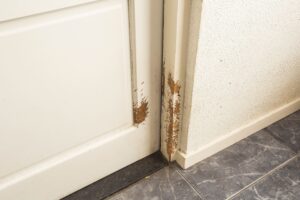
  • Scratched walls, doors, and door frames – Pets often scratch or bite when trying to get through closed doors.
  • Torn window screens and blinds – Pets like to look outside, and sometimes they leave behind damage around windows.
  • Ripped carpet or damaged flooring – Scratching, digging, or accidents can cause visible wear on carpets and floors.
  • Chewed fences – In backyards, dogs may chew or dig around fences if left alone for long periods.
  • Water damage – Not as common, but it happens. (My cat has turned on faucets before—lesson learned!)

Some damage is obvious, but other issues require a closer look. Knowing what to watch for helps you catch problems early and maintain your rental home.


Urine and Poo Damage

Urine stains and odors are usually easy to spot in a vacant home, but not always. I once inspected a property where the tenants had hired two carpet cleaners. The home smelled like a mix of rose, cinnamon, and kennel. However, the odor returned quickly. The problem? The urine had soaked into the padding and subfloor.

In cases like this, surface cleaning won’t work. The only fix is to remove the carpet and padding, then treat or seal the subfloor with products like Natures Miracle or Kilz.

Damaged Walls

Damage to walls, doors, and door jambs is usually easy to spot. But when it’s widespread throughout the home, it’s important to carefully document and photograph each instance. I’ve seen cases where anxious dogs left alone for long periods clawed through entire sections of drywall.

Cats tend to cause damage of their type, often around windows. Blinds in their way are quickly shredded, and screens may be torn or bent from repeated use as a perch. Dogs can be just as rough, especially around windows and doors.

From ripped-up carpet to chewed fences, even the most lovable pets can cause serious wear and tear. And while many fences can hold up for a while, few stand a chance against a strong, determined dog—unless, of course, it’s a brick wall.

Pet Damage Varies

Most dog damage, for example, is easy to spot. Or smell. Dogs tend to cause urine damage, door/wall scratches, and torn-up carpet, as mentioned above, particularly at exit doors, and bedroom doors.

Cats are a little more complicated, but you’ll find torn and punctured window screens, and “going to the bathroom in wrong places” problems, too.

Birds, such as parrots, you’ll find wall pecking, next to where cages are kept. They can easily chip paint off stucco and wood if their cage is too close to a wall. I recently learned this one. Lizards, such as bearded dragons, really don’t damage much, but they do produce a pungent smell from their cages or aquariums.

Aquariums with fish generally only cause damage when an aquarium leaks. Tortoises, though slow and lumbering, can cause more damage than one might think. They can topple weak wood fences; they can shatter sliding glass doors. Their shells can flake paint off the exterior of the house as they tromp past. This I know from personal experience.

Eyes, Ears, Nose

The subtitle items, above, are in no order. However, what you see is, in most cases, the most important. If you can see it, you can photograph it. Simple as that.

Eyes

Check for signs of urine and droppings, both inside and outside the property.

Outdoor male dogs, in particular, tend to urinate on air conditioning condenser units—the large metal boxes that sit next to the house. If your property has a roof-mounted unit, you don’t need to worry much about this, as it would be unusual for a dog to reach that height.

However, if the unit is ground-level, this behavior can cause significant damage. The urine can corrode the aluminum tubing, leading to coolant leaks that are not repairable. When inspecting, look for discoloration on the aluminum fins and pitting on the tubing.

People often forget about dog toys, food dishes, bags of dog food, and puppy pads when vacating a property. Additionally, backyard droppings are frequently overlooked. Be sure to look for these signs when inspecting the yard. Paw prints are especially telling—dogs typically don’t wander into random homes and leave tracks behind.

Inside, pay attention to torn-up carpet and flooring. Check all surfaces for scratches or worn paint on the bottoms of interior doors and jambs, as well as on exterior doors. Sliding glass doors, both inside and out, can also show signs of damage from pets. Don’t forget to inspect window jambs for scratches—Fido loves looking outside, and it shows!


Nose

You might think that smell is the most effective way to detect an unauthorized pet, and residents often think the same. When I arrive at a property for an annual inspection and it’s dark, my alert level automatically rises. Scented candles burning? A pot of potpourri on the counter? All of the above? There’s about a 90% chance there’s a pet nearby. The goal here is clear: to mask any signs of a pet from both sight and smell.


This is when you need to step up your game and take a more thorough approach.

Ears

It’s simple: Ring the doorbell, and if there are pets inside, your other senses will quickly take over.

The Spot Check

Whenever you’re conducting a spot check—assuming you have an appointment—arrive about 30 minutes early. This simple step has helped me uncover more unauthorized pets than any other method I’ve tried.

In one case, while completing paperwork from a prior inspection down the street, I observed a young child exit the appointment property with a small dog on a leash. They walked to a car parked across the street, got into the back seat, and quickly slouched down. I waited an additional 20 minutes, but no one else joined them.

When I arrived at the property at the scheduled time, there were no visible signs of a pet—no toys, no droppings, no odor, and no damage. At the end of the visit, I asked the resident about their dog. Their reaction was immediate—denial and indignation. They insisted they didn’t have a dog or a child, claimed that the car wasn’t theirs, and even denied that a car was parked out there at all.

I calmly informed them that I would include all observations in my report. Sometimes, direct evidence isn’t indoors—it’s about being observant and arriving just a little early.

Black Light

One tool we’ve recently added to our inspections is a blacklight flashlight—and it’s proven to be incredibly helpful in identifying pet-related damage. Interestingly, it doesn’t just reveal pet stains; it also highlights traces of bodily fluids that might otherwise go unnoticed.
Now, before anyone gets squeamish, here’s some perspective: that bathroom in your home may look spotless under regular lighting, but once you shine a blacklight on it, you’ll likely be surprised by what it reveals. It’s not about being alarming—it’s about being thorough. This tool provides a clearer picture of the property’s condition, helping to ensure that nothing is overlooked. You can purchase a Black Light UV Flashlight pretty reasonably online.

When using a blacklight to inspect for messes, be sure to wear blue-blocking sunglasses—this enhances visibility and makes it easier to spot what you’re looking for. And here’s the key takeaway: if you can see it, you can photograph it. And if you can photograph it, you can document and prove it.

surprised old man taking off and on his glasses

Some residents are sneaky

Years ago, before my time with Management One, I began noticing patterns I hadn’t paid much attention to before—specifically, clear signs of pet damage in bank-owned properties. It made sense; when people vacate a home under stressful circumstances, like foreclosure, pet damage often gets overlooked or ignored. In those cases, the job was straightforward: document the damage and report it.

Insurance inspections brought a slightly different challenge. When pet damage was discovered, it wasn’t just about documenting—it meant asking the current occupants about the pet, the nature of the damage, and determining whether the animal might be considered aggressive.

Property management brings its own layer of complexity. Much like insurance inspections, residents often attempt to hide unauthorized pets and any resulting damage. But here, the stakes are higher. A hidden pet isn’t just a policy violation—it can lead to eviction or financial liability for the resident.

One striking example I came across involved a tenant in Arizona who was fined $500 simply for feeding a stray cat outside. It was considered harboring an animal and a violation of their lease. While that may seem extreme, it highlights the seriousness with which pet-related issues are addressed in rental housing.

Pets, Pets, Galore….

Pets are a beloved part of the family for many people, sometimes even more so than relatives. In fact, as of 2023, an estimated 145.9 million U.S. households own at least one pet. With so many renters being pet owners, landlords and property managers need to understand both the rewards and the potential risks that come with allowing animals in rental homes.  From this, 65.1 million US Households own a dog. Did you also know that a staggering 72% of renters have pets?

While most residents do their best to maintain a clean, damage-free space, pets can still leave behind wear and tear—some of it easy to see, and some not. That’s why it’s important to have clear policies in place and take proactive steps to protect your property.

Want to understand how Emotional Support Animals differ from Service Animals—and what that means for your rental policies? Click here to learn more.

    Split image of a service dog on the left and a kitten on the rightEmotional Support Vs Service Animal: What’s the Difference

By |2023-10-05T12:23:23-07:00October 5, 2023|Landlord Education, Property Ownership|Comments Off on How to Identify Pet Damage in Your Rental Property

Remodeling Your Rental Property: An In-Depth Look at Costs & ROI

In today’s booming real estate market, rental property owners often find themselves asking: Is it time to invest in property remodeling to maximize my rental income? Understanding the costs and potential returns of such an undertaking is vital. This comprehensive guide will delve into the intricacies of remodeling a rental property and shed light on the associated expenses.

First, we will inform you of the cost of remodeling your rental property, but also why maybe you shouldn’t, or more precisely, why “reigning in” may be called for.

Why Consider Remodeling Your Rental Property?

Enhanced Attractiveness:

First, we will inform you of the cost of remodeling your rental property, but also why maybe you shouldn’t, or more precisely, why “reigning in” may be called for.

Increased Rent:

Upgraded features can justify higher rental rates.

Long-Term Tenancy:

Tenants are more likely to renew leases on properties that are modern and well-maintained.

Higher Property Value:

In the event you decide to sell, an updated property can fetch a higher market price.

On the other hand, fully remodeling your rental property takes time! For every $1,000 you spend, expect a day of vacancy, and that is once work starts. You could easily be half a month organizing too. Looking at it in this light, a $50,000 remodel could take your property off the market 60 to 70 days. At a $2,500 a month rental rate you’re out an astounding $5,000 to $7,500 in lost rental income.

Key Areas to Focus on During Remodeling

  1. Kitchen: As the heart of the home, kitchen remodels yield significant returns. Consider upgrading cabinets, countertops, and appliances.
  2. Bathrooms: Modern, functional bathrooms are a major selling point. Investing in fixtures, tiles, and vanities can be beneficial.
  3. Flooring: Replace old carpets with hardwood or high-quality vinyl to enhance the property’s appeal.
  4. Exterior: Fresh paint, new doors, and landscaping can drastically increase curb appeal.


Understanding the Costs

1. Kitchen Remodel:

Costs can vary based on finishes and extent of the remodel:

  • Minor: $7,500 – $15,000.
  • Major: $10,000 – $25,000+

A modest kitchen renovation could involve refinishing the current cabinets instead of substituting them. Introducing or altering the existing hardware will infuse fresh vitality into the outdated kitchen space. Remember that there are instances where upgrading the countertops might not be practical, especially if the cabinets are not sturdy enough to support heavy materials like quartz. In such situations, applying a glaze to the existing countertops can provide the rejuvenation you’re aiming for.

A comprehensive renovation encompasses the installation of new cabinets, countertops, flooring, and sinks. Essentially, it involves completely revamping the kitchen from scratch, potentially involving actions like demolishing walls or incorporating additions like an island.

2. Bathroom Remodel:

  • Minor: $2500 – $7,000
  • Major: $5,000 – $15,000+

Keep in mind that bathrooms generally don’t provide the same level of return on investment (ROI) as kitchens, whether it’s for rental property or a personal residence. A minor enhancement could involve refreshing the appearance by refinishing the countertops, repainting the cabinets, or swapping out the hardware. Even the simple act of replacing that outdated pink toilet seat with a clean white one can bring a modern touch to the bathroom.

A significant transformation of the bathroom could encompass the removal of the outdated and stained shower/tub enclosure, and the installation of an appealing bathtub paired with a tiled backdrop. Upgrading to new vanities and fixtures is also part of the process, along with substituting the existing vinyl flooring for Luxury Vinyl Plank.

3. Flooring Upgrades:

  • Hardwood or Laminate: $4 – $10 per sq. ft.
  • LVP Vinyl: $2 – $9 per sq. ft.
  • Carpet $2 to $5 a square foot.

Among these three flooring options, your top choice would be Luxury Vinyl Plank (LVP). This flooring is not only visually appealing but also incredibly durable, outlasting both carpeting and hardwood/laminate alternatives.

4. Exterior Upgrades:

  • Painting: $1,500 – $5,000 for a standard home.
  • Landscaping: $1,000 – $10,000 based on complexity.

Landscaping and the exterior of a home function much like the cover of a book. If the cover fails to captivate, then the likelihood of picking up the book and delving into its opening paragraph diminishes.

Similarly, if your property displays overgrown grass, an abundance of weeds, or even peeling paint on the house, it’s unlikely to attract attention from passersby.

Opt for inviting hues for your home. Vibrant colors that demand sunglasses might not be the most appealing to most people. Instead, consider subdued yet attention-catching shades, and contemplate painting your front door with a complementary color.

Cost-Saving Tips

  • DIY: When your abilities allow, engaging in do-it-yourself projects can reduce labor expenses. Nevertheless, it’s essential to assess your level of proficiency. This is a consideration worth pondering. I, like numerous individuals, experienced this firsthand. I undertook the task of painting the entire interior of a house, assuming, “just roll it on, it can’t be that challenging.” However, I’ve since developed a strong aversion to painting.
  • Bulk Purchasing: Buying materials in bulk can lead to discounts.
  • Off-Peak Renovations: Contractors might offer discounts during their off-peak seasons.
  • Reuse & Recycle: Repurpose old materials. For instance, old wooden beams can be turned into shelves. Check out Pinterest for some amazing ideas for projects that you can complete.


Estimating ROI

Return on Investment (ROI) for rental property remodels isn’t just about immediate rent increases. It’s also about long-term gains in property value and resident retention. On average:

  • Kitchen and bathroom remodels can offer an ROI of 60-85%.
  • Exterior improvements can see an ROI of 60-100%, depending on the changes.
  • New flooring typically yields an ROI of 70-80%.


Factors Affecting Remodeling Costs

  • Location: Urban areas typically have higher labor and material costs.
  • Property Age: Older properties may have unforeseen challenges, leading to higher costs.
  • Extent of Remodel: Cosmetic changes are cheaper than structural modifications.


Financing the Remodel

If you don’t have immediate cash available, consider these options:

  • Home Equity Line of Credit (HELOC): Suitable for ongoing projects where you can draw money as needed.
  • Refinancing: Refinance your mortgage to cash out on your home’s equity.
  • Personal Loans: Higher interest rates than the above options, but quicker to procure.

Here is an article on Remodeling Your Rental Property For More Passive Income And Value that breaks down some numbers for you.


Conclusion: remodeling your rental property

Remodeling your rental property requires a significant investment but can lead to increased rental income, better resident retention, and a higher property valuation. By focusing on key areas, leveraging cost-saving techniques, and understanding the associated costs, property owners can make informed decisions and anticipate solid returns on their remodeling ventures. Before diving in, always ensure thorough research, acquire multiple quotes, and consult with professionals. Remember, the goal isn’t just to beautify, but to amplify the functionality, durability, and return on your rental property.

Sharing a couple of great lists on the Top Contractors for Orange County and Top Contractors in Riverside County

Insurance agent shaking hands with a couple client

By |2023-10-04T08:39:35-07:00October 4, 2023|Property Ownership|Comments Off on Remodeling Your Rental Property: An In-Depth Look at Costs & ROI

Renting to Tenants with Pets: Pros and Cons

Chances are, you’ve been receiving those all-important calls from potential tenants, eagerly inquiring about the pet policy for your property. The recent APPA National Pet Owners Survey revealed that 66% of American households own a pet. Among this furry and feathered majority, a staggering 45% are dogs.

Drawing from my extensive 35+ years in the property management game, I can vouch that most residents I’ve crossed paths with are proud pet parents. Here’s a nugget of wisdom: Properties that extend a warm welcome to pets tend to snap up tenants twice as fast as their pet-restricted counterparts.

Here’s the million-dollar query: Are pets a part of your property’s inner circle? And if so, what’s the scoop on pet-related charges? Don’t leave prospective tenants guessing – let’s uncover your pet policy together!

Consider this

In renting, landlords and homeowners can grant or deny entry to our furry, feathery, or even scaly friends. But hold on to your leashes! This tale has a twist: service animals, companions, and emotional support animals are the exception to the rule.

As you ponder the great pet policy debate for your rental haven, here’s some food for thought:

1. Pets are Prevalent: 66% of households have pets, so you’re in good company.
2. Renter’s Best Friends72% of renters have pets or come with their beloved companions.
3. Pick Your Pack: You get to choose which types of pets are welcome and set the limit.
4. Size Matters: Breed and size specifications? That’s your call.
5. In or Out: Decide if you allow outdoor only or both indoor and outdoor.
6. Money Talks: You can charge deposits, monthly fees, and even demand renter’s insurance.
7. Pet Perks: Remember that sweet pet rent option.

Vacancy Time

Imagine this scenario: you’re the proud owner of an investment property, pondering whether to welcome these furry friends or keep the doors closed warmly. Well, here’s a hard-hitting truth: If you opt for a strict “no pets allowed” policy, you’re slashing your potential tenant pool in half, doubling your vacancy woes. Why? Because a whopping 72% of renters share their lives with pets, and by turning them away, you’re saying goodbye to nearly three-quarters of the rental market. That’s a surefire recipe for extended vacancies, and that’s no joke.

Let’s break it down: The typical property stays on the market for 14-30 days. But if you bar pets, be prepared for a grueling 30-60 days (or more) vacancy. Crunch the numbers, and you’re looking at an extra $3,000 in lost income compared to a pet-friendly landlord. Here’s the kicker: In our experience at Management One, where we’ve leased over 10,000 homes, most pet-related damages are a drop in the bucket—typically under $1,000. So, why miss out on this untapped market?

Small Dogs, Big Dogs, Bad Breeds, Good Breeds

As the landlord, you can determine which furry companions will grace your abode. It all begins with the question of breeds. Here’s an insightful tip: Many insurance policies often draw the line at so-called “vicious” breeds, making it an intelligent starting point for your pet policy. And guess what? Most property management companies are right on board with these guidelines.

But that’s not all. You’re also the master of sizing things up. Yep, you get to set the bar for the size of the dogs allowed on your rental turf. It’s quite common to slap a weight limit on the pets permitted in your rental property. Consider it this way: A large dog might not be best if your property is cozy or confined. However, if you have a sprawling backyard, you might have room to accommodate that big, bouncy pup. Size matters, and you’re the one calling the shots.

How many are too many?

The answer to this puzzle lies in the dimensions of your home and the expanse of your yard. If your home is small, one pet may be the sweet spot, ensuring ample space for both furry friends and humans to coexist harmoniously. But if your home is extensive or you have a large yard, you might just have room in your heart for more four-legged pals.

Regarding the official tally, it’s usually a duo of pets—specifically, cats and dogs—that get the green light. The catch? Fish and reptiles often fly under the radar and aren’t included in this count. And guess what? Most management companies adhere to the “two pets per property” guideline, ensuring a balance between creature comforts and landlord peace of mind.

Outdoor Only or Indoor/Outdoor

In the early days of advocating for pet-friendly properties, we initially had a strict “no indoor pets” policy. However, we soon discovered that despite our best intentions, 90% of residents couldn’t resist bringing their furry friends indoors, rendering our policy somewhat futile.

To tackle this challenge head-on, we made some strategic policy adjustments. This included introducing a monthly pet rent and a slightly higher fee for indoor pets. Hang tight because we’ll delve deeper into the details of fees and deposits shortly. These changes helped us embrace the pet-loving community and ensured that our policies aligned more closely with the real-world preferences of our residents.

Deposits and Monthly Fees

It’s true that pets can occasionally cause property damage and might pose inconveniences to neighbors. However, let’s not overlook the fact that permitting pets in a rental property can open the door to higher rental income for owners, property managers, and landlords.

The real question is how to proceed: Do you opt for a deposit, a monthly fee, or perhaps both? The crucial distinction lies in refundability—deposits can be returned, while fees cannot. It’s worth noting that some might label the pet deposit as non-refundable.

Here’s where it gets tricky: State laws can throw a wrench into your plans, as they vary widely. It’s essential to consult your local Fair Housing office to understand the specific regulations in your area. In some states, landlords cannot charge pet-related fees or deposits. However, in states where it’s permissible, you can decide. Typically, the laws might prescribe upper limits on the amounts you can charge, but it’s common to see pet fees or deposits ranging between $250 and $500. So, while navigating these waters, ensure you’re sailing within the legal bounds of your state.

Pet Deposits

When you collect a refundable pet deposit, it’s crucial to know that when your resident moves out, you should refund the deposit if their pet hasn’t caused any damage. Conversely, if pet-related damage is evident, you’ll need to provide the resident with a detailed list of repair expenses. This transparent breakdown reinforces your decision to retain all or part of the pet deposit for necessary repairs. Clarity is key in ensuring a fair process for you and your tenants.

Pet Rent

Let’s dive into the intriguing world of pet-related fees in property management. One such fee, known as “pet rent,” has recently gained traction. You’ll discover that many property managers, landlords, and apartment communities now incorporate a monthly pet rent, typically within the range of $35 to $100 per pet.

Standard practice dictates that property managers and landlords often add this pet rent to the monthly rent, effectively increasing their monthly revenue. But the question remains: Should you also charge a pet fee or deposit? Here’s the scoop: If you choose not to impose a separate pet fee or pet deposit, you can still utilize the security deposit to cover any potential pet-related damages.

You might wonder, “Why bother with pet deposits when security deposits are often more substantial?” Well, the answer lies in the potential magnitude of pet-caused damage. Sometimes, the security deposit alone might not suffice if substantial damage ensues. That’s why some property managers and landlords consolidate all fees into one comprehensive security deposit.

The beauty of this is that property managers and landlords have many options to choose from when it comes to handling pet-related matters. You can opt for one or more of the following:

• Regular Rent
• Additional Monthly Pet Rent
• Security Deposit
• One-time Pet Fee
• Pet Security Deposit

It’s worth noting that you can’t always please everyone. Some residents may grumble about pet-related fees, whether pet rent, a pet deposit, or other associated costs. However, most pet owners are ecstatic to discover a welcoming place that allows them to keep their pets.

Here’s the bottom line: Relying solely on a pet deposit may leave you shortchanged if significant damages exceed the deposit amount. Therefore, opting for a comprehensive deposit to cover all potential damages, regardless of the source – what or who caused the damages, is often the wiser choice. In this ever-changing world of pet-related charges, it’s crucial to strike a balance that meets the needs of both property owners and residents.

Insurance

Before wrapping up, let’s talk about renter’s insurance. It’s smart to recommend that your tenant get this coverage, and here’s why: The costs are budget-friendly, typically running between $10 to $30 per month, and it provides up to $300,000 in coverage. Their renter’s insurance can swoop in to handle the expenses if significant damage occurs.

The pro tip: Make sure your name or the property management company is listed as an additional insured party on the policy. This ensures you’ll be alerted if there’s ever a lapse in coverage. It’s like an added shield of protection, offering you peace of mind and an extra layer of security for your property.

Wrapping it up

Embracing pets in your rental property opens the door to a broader pool of prospective residents, making your property more appealing and competitive. Whether you opt for a pet fee, pet rent, pet deposit, or even decide not to impose any additional charges, welcoming pets fosters a positive and welcoming atmosphere.

This attracts pet-loving tenants and initiates the landlord-resident relationship on a friendly and inclusive note, setting it off to a good start.

Here’s a quick video guide to the Pros Cons of Pets in Your Rental Property:

By |2023-10-02T12:00:28-07:00October 2, 2023|Landlord Education|Comments Off on Renting to Tenants with Pets: Pros and Cons

Top 5 Neighborhoods in Murrieta, California

Murrieta, California – a city that’s growing and booming! Nestled in the heart of Southern California, Murrieta is on the fast track to becoming your next favorite place to call home. It’s not just another suburban sprawl; it’s a thriving, lively community with a character all its own.

Sure, it’s known as a bedroom community, but it’s anything but sleepy. Murrieta is where you can have your cake and eat it, too. Want the convenience of city living without the hustle and bustle? Check. Craving a taste of California’s premium wine country right in your backyard? Check. Concerned about safety? Fear not, as Murrieta proudly is the nation’s third safest city in the articles 15 Safest Cities In The US In 2023, and Murrieta as the Best City in the 2023 Best of the Southland as announced by The Los Angeles Times.

Now, let’s dive into the nitty-gritty. Murrieta boasts a diverse range of neighborhoods, each with its unique charm. Don’t worry; I’ve got your back. As someone with insider knowledge from years in property management, I’ve handpicked five fantastic neighborhoods to explore.

So, lace up your walking shoes, grab a map, and begin the thrilling journey through Murrieta. It’s time to uncover the hidden gems, the local hotspots, and the vibrant communities that make this city extraordinary. Ready? Let’s roll!

1. Alta Murrieta

Alta Murrieta is a charming housing community located in Murrieta, California. Developed during the late 1980s to the early 1990s, this neighborhood offers a peaceful and family-friendly environment. Just past a bustling shopping district on the corner where the Escondido Freeway intersects with Murrieta Springs Road, Alta Murrieta can be easily accessed through Alta Murrieta Drive and Whitewood Road via Murrieta Springs Road.

The neighborhood features winding streets with numerous cul-de-sacs, providing its residents privacy and security. Most homes in Alta Murrieta showcase Spanish and Mediterranean design influences, adding to the area’s unique character.

One of the highlights of living in Alta Murrieta is a well-maintained park within the community. This park offers various amenities, including football and baseball fields, a children’s play area, and picnic tables. Residents can enjoy outdoor activities and social gatherings in this beautiful green space, fostering community and camaraderie among neighbors. Overall, Alta Murrieta is a desirable neighborhood that combines convenience, comfort, and a strong sense of community, making it an excellent place to call home in Murrieta, California.

The average rental rate for a 3-bedroom home in Alta Murrieta is $2,815.00 a month. The average purchase price for a 3-bedroom home is $666,000.00.

2. Bear Creek

Bear Creek is a luxurious, private, and gated golf community located on top of the hills in Murrieta, California. The neighborhood features a premiere collection of 620 homes, including single-family and townhome-style residences, designed around a private 18-hole golf course by Jack Nicklaus. The homes in Bear Creek are influenced by Spanish and Mediterranean architecture, with spacious living spaces on sprawling lots and magnificent views.

Residents of Bear Creek enjoy a wide range of amenities, including a clubhouse, swimming pool, fitness center, spa, tennis courts, and bocce courts. The community also features an Olympic-size swimming pool, spa, clubhouse, weight room, cardio room, and more. The golf course is a spectacular member-only club with breathtaking views and a historic signature design by Jack Nicklaus.

Bear Creek is a sought-after community with a luxurious and peaceful lifestyle. The community is comprised of distinct neighborhoods featuring single-family homes and townhomes that are situated around the private 18-hole golf course. The neighborhood is also conveniently located near shopping centers, restaurants, and other amenities.

The average rental rate for a 3-bedroom home in Bear Creek is $3,093.00 a month. The average purchase price for a 3-bedroom home is $955,000.00.

3. Central Park

Central Park is a beautiful residential neighborhood located in Murrieta, California. Tucked away in a secluded area to the east of Winchester Road atop the expansive Murrieta foothills, Central Park can be accessed through entrances along Murrieta Springs Road. The neighborhood consists of 521 homes divided into two main neighborhoods, The Commons and Hillcrest Estates, offering various housing options for residents.

Central Park residents enjoy spectacular views of the surrounding hills and valleys. The neighborhood features many amenities, including a clubhouse, swimming pool, spa, sports field, tennis courts, and parks. The community also has a park with football and baseball fields, a children’s play area, and picnic tables, providing ample opportunities for outdoor fun.

Central Park is an attractive community renowned for its serene and welcoming atmosphere. The community boasts a strategic proximity to shopping centers, restaurants, and various amenities, making it a perfect residential choice in Murrieta, California. Whether you are looking for a spacious single-family home or a cozy townhome, Central Park has something to offer for everyone.

The average rental rate for a 3-bedroom home in Central Park is $2,951.00 a month. The average purchase price for a 3-bedroom home is $919,999.00.

4. Clarendon Hills

Clarendon Hills is a charming neighborhood located along Date Street in the Vintage Reserve Development of Murrieta, California. Situated close to the border of Temecula, where Harveston is located to the south, Clarendon Hills offers a convenient and family-friendly living environment. The neighborhood comprises one-story single-family homes featuring a 3-car garage and distinctive Early California, Mission, and Craftsman design influences. These well-crafted homes give the community a sense of character and style, making it a desirable place to call home.

One of the highlights of living in Clarendon Hills is a 5-acre community park, the Vintage Reserve Park, which is easily accessible on foot from all homes in the neighborhood. This park offers a range of features, including open green spaces, playgrounds, and picnic areas.

Families thrive in this peaceful and harmonious neighborhood in Clarendon Hills. The community is in strategic proximity from schools, shopping centers, and other amenities, making it an ideal place to live in Murrieta, California. Clarendon Hills offers something for everyone, whether searching for a spacious single-family home or a comfortable townhouse.

The average rental rate for a 3-bedroom home in Clarendon Hills is $3,200.00 a month. The average purchase price for a 3-bedroom home is $561,646.00.

5. Copper Canyon

Copper Canyon is a highly desirable master-planned community located in Murrieta, California. The neighborhood is situated across Bear Creek, with entrances along Clinton Keith Road and Washington Avenue. Developed by different builders, the homes in Copper Canyon were constructed between 1998 and 2001, offering various housing options for residents.

Copper Canyon comprises several neighborhoods, each with its unique character and style. The community features numerous parks with walking trails, including Copper Canyon Park, an 8-acre park featuring sports fields, a basketball court, a bike path, picnic tables, and a children’s tot lot. Cole Canyon Elementary School is also located inside Copper Canyon, making it a convenient and ideal place for families with young children.

Copper Canyon is a community celebrated for its serene and family-friendly atmosphere. The neighborhood offers easy access to shopping centers, dining establishments, and various amenities. Copper Canyon provides options for all, whether you’re seeking a roomy single-family residence or a snug townhome.

The average rental rate for a 3-bedroom home in Copper Canyon is $3,151.00 a month. The average purchase price for a 3-bedroom home is $655,500.00.

If you’re searching for your next dream home, look no further! At Management One and our network of affiliates, we’re passionate about doing your search for the perfect rental or purchase an unforgettable experience. Our dedicated leasing team is here to make your housing aspirations a reality. Whether you’re seeking a cozy rental or a forever home, we’re here to guide you every step of the way.

By |2023-09-29T13:03:33-07:00September 29, 2023|Lifestyle, Property Ownership|Comments Off on Top 5 Neighborhoods in Murrieta, California

Landlord Insurance Versus Homeowners Insurance

“I have a Homeowner’s Insurance policy; do I really need a Landlord Policy?” According to Allstate, “Landlord insurance is a policy for someone who rents out a home they own. This type of insurance typically includes two different types of coverage: property and liability protection. Both coverages are intended to help protect you, the landlord, from financial losses.

Over the years of being in the property management business, we find that most landlords don’t really know the difference between a Homeowner’s Insurance policy and a Landlord Insurance policy. Most think there are one in the same and don’t realize there is a difference until they find themselves needing to make a claim and then find out they don’t have the proper coverage.

The most significant difference between the two types of insurance is property coverage; a homeowner’s insurance will cover personal property such as furniture, clothing, computers, Tv’s and yes, even sometimes jewelry as well as the structure and surrounding buildings. Landlords insurance will cover items used to service the rented property along with the property itself. It’s important to note that the Landlord Policy doesn’t cover the tenant’s belongings; thus, they will need to secure a Renter’s Insurance Policy.

In addition to Primary Liability Coverage, there are four essential elements that all Landlord Insurance policies should include. These elements are Malicious Intent, Fire, Loss of Rents, and Vandalism. Check out this great guide with detailed information about these vital items.

Malicious Intent

Malicious Intent happens when the resident renting your home, intentionally damages the property above and beyond “normal wear and tear.” We are talking destroys the carpet to the point it must be replaced, holes in the wall, overall filth, piles of debris left behind, and more. We have seen this happen, and landlords are left scrambling to secure the funds to bring the property back to a rentable condition. This scenario is precisely why it’s important to ensure you have Malicious Intent in your policy. Equally important is ensuring the tenant has Renter’s Insurance so you can recoup the cost from their policy and not affect your premiums. YES, this coverage enables you to sleep at night. The best part is most of the insurance companies don’t charge extra for it.

Fire

Your fire policy will rebuild part or all your property only, so this is pretty straight forward.

Loss of Use 

Now, let’s start thinking like an investor; you are all investors if you own a rental property. Your business is to make money with an investment/rental property! But what happens if the property burns down, which happens, or the tenant cause so much damage to the house and it will take six months to be fully repaired. You still have a mortgage to pay, right? That payment doesn’t stop just because the home is vacant or in distress. Don’t worry! If you have Loss of Rents or Loss of USE coverage, in your landlord’s insurance, you may sleep like a baby because you don’t have anything to worry about. Loss of rent or in some cases, called Loss of Use will cover up to 12 months of the rental income! Some companies include this coverage in your policy for no additional fees while others charge for it, but… IT IS WORTH IT! It might be a few more bucks a month but, how much is your peace of mind worth?

Vandalism

Let say you are about to rent out the property and a few days before your tenant moves in someone breaks in, and the property gets vandalized! Again, homeowner’s insurance might not cover you! But, the landlord’s insurance will! However, once your property is vacant for more than 30 days your insurance will not cover you so always get a 60-day vacancy policy. One Air Conditioning unit could cost you $4,000 or more. You can activate your vandalism and loss of rent coverage in this case!

Something important to mention is that some mortgage companies request you to have homeowner’s insurance while you have an active loan with them! Be sure to ask them if this is the case before canceling your homeowner’s coverage and getting landlords insurance. 

Liability

Though not listed out in the top four items, liability is the primary focus of the insurance policy. After all, why have a policy if it doesn’t provide basic liability coverage. You may consider increasing the liability coverage if your property has a pool or spa since those are added risks, whether you own the home or are renting the house. For example, your tenant has a small soiree, and a kid gets injured because he was running around the pool! We all know, unfortunately, the first thing that comes to some people’s minds is… LAWSUIT! Well, again, here is where you may be able to use your landlord’s insurance liability coverage since this helps you pay for your expenses if you are found legally responsible after someone is injured on your property or if you are required to pay for damage done to someone else’s property.

Want to save some money in your landlord’s insurance? Make sure you DEMAND your tenant to have renter’s insurance! Many owners do not know that if you provide a copy of your tenant’s renter’s insurance declaration page, you may receive a discount.

Ready to sign up for your Landlord Insurance Policy, start by checking with your Insurance company to see if they provide such a policy; after all, you may get a discount for having multiple policies. You can also check out our blog on the Top 5 Landlord Insurance companies by clicking the image below or if you like, contact Management One we can refer you to a couple of top insurance companies.

Kristan Pennington

By |2023-09-28T10:00:00-07:00September 28, 2023|Landlord Education, Property Ownership|0 Comments

Best Air Conditioning Companies in Orange County CA (Reviews/Ratings)

The temperature is skyrocketing, and just when you least expect it, your worst nightmare becomes a reality – the AC decides to take a vacation! This is no laughing matter in sunny Southern California, where the sun can turn up the heat to a blistering 100 degrees plus during the summer. But hold your phone, don’t dial Ghostbusters just yet! The real challenge is finding a dependable savior in the form of a vendor or contractor who can rescue you from this sweltering ordeal.

As a homeowner, your mission is clear: you need top-notch quality work without breaking the bank. Over the past eight years, I’ve been on an epic quest, scouring the digital realm, venturing into Home Depot and Lowes, all in pursuit of that elusive contractor who can swiftly respond to a work order, guarantee exceptional customer service, deliver impeccable craftsmanship, and all at a price that won’t leave you feeling like you’ve been swindled.

Do your Homework

Whether you’re a property management company overseeing numerous homes or a vigilant homeowner, the importance of diligent contractor research cannot be overstated. Before entrusting them with any work on your property, ensure the contractor is licensed, bonded, and adequately insured. Surprisingly, not many people are aware that if a contractor sustains an injury while working on your property, you could potentially be held legally liable – a can of worms best left unopened.

In today’s digital age, conducting a comprehensive background check on an air conditioning company in Orange County, California, is a breeze. Thanks to the vast resources of the World Wide Web, you can effortlessly access valuable insights. A quick search on platforms like YELP ReviewsGoogle Reviews, or Angi dedicated to air conditioning companies in Orange County will yield instant results. Investing the time to scan these reviews is well worth it, as it ensures you receive top-notch customer service and competitive pricing. Your peace of mind is worth the effort, so dive into the online realm of information to make informed choices.

Choosing the Right Air Conditioning Contractor

Selecting the perfect contractor can feel like hunting for a needle in a haystack, especially when your home resembles a sauna at a sweltering 80 degrees or more. At the same time, the merciless sun beats down with temperatures soaring beyond 100 degrees. It’s a desperate situation that calls for some creative solutions!

Why waste precious time and endure needless frustration? We’re here to swoop in and rescue you from the scorching dilemma. Behold, we’ve painstakingly curated a list of Orange County, CA’s Top when it comes to air conditioning companies. Our impressive journey spans over three decades, during which we’ve crossed paths with over 200 contractors – some fantastic, others not so much.

Our list isn’t just any run-of-the-mill compilation; it’s a treasure trove of trusted and proven companies. These are the champions of customer follow-up, the masters of fantastic pricing, and the epitome of integrity in their work. While it may not cover every gem out there, it’s a solid foundation upon which you can build your quest for the ideal contractor. So, let’s embark on this journey together and keep your cool intact!

Below is a List of our Top Picks for Air Conditioning Companies in Orange County, CA


Empire Appliance 

Despite its name, Empire Appliance offers a wide array of services beyond just appliances. A dedicated father and son team runs this family-owned business in the Inland Empire. With over 30 years in the industry, they have served numerous homes and established themselves as trusted experts. Empire Appliance recently marked 25 years as a preferred vendor for Management One.

Their exceptional customer service is a point of pride, earning accolades from our residents who appreciate their punctuality, thorough follow-up, and competitive pricing. While you won’t find a website for now, Empire Appliance is the go-to professional for AC unit repairs, Heaters to Refrigerators, Dishwashers, and appliance servicing.

Empire Appliance’s impressive track record and commitment to excellence make it an indispensable resource. Whether it’s your air conditioner or household appliances needing repair, they are the team to call. We’re confident you’ll be delighted with their service.

Staycool Airflow A/C & Heating Cooling

Established in 2012, Staycool Airflow A/C & Heating has been your trusted partner for all things HVAC. Stay Cool Airflow A/C & Heating is your go-to source for reliable heating, ventilation, and air conditioning services, available 24 hours a day! Whether you’re a residential homeowner or a business owner, including restaurants, your HVAC needs are covered. Stay Cool Airflow A/C & Heating is fully licensed, insured, and bonded, ensuring peace of mind with every service.

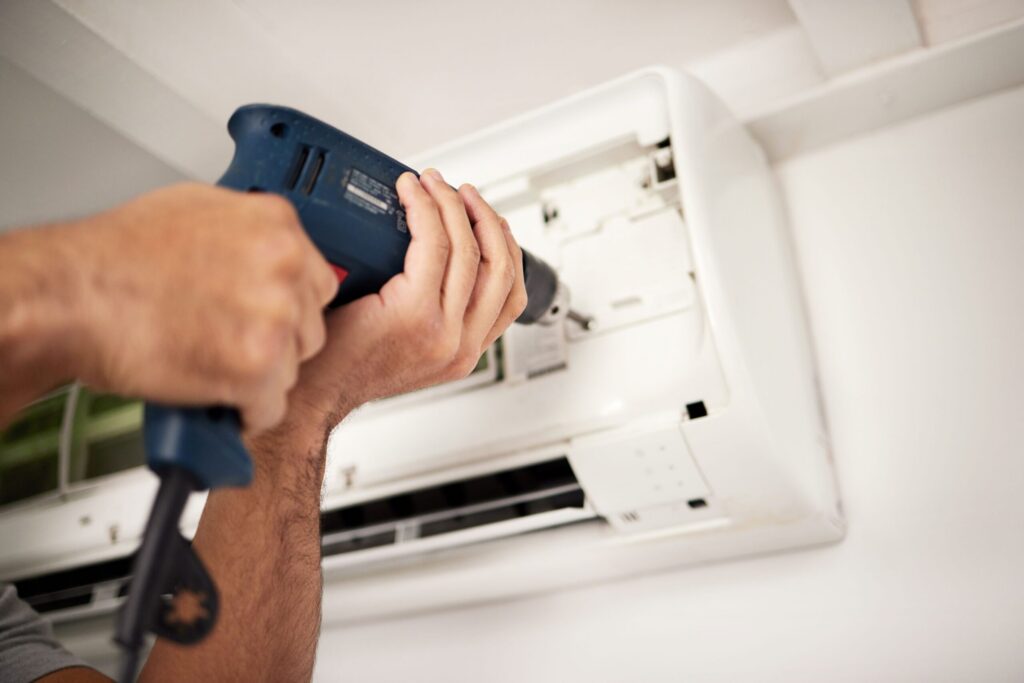
Its offerings span emergency assistance, routine inspections, and maintenance checks to keep your AC and heating systems in shape. Stay Cool Airflow A/C & Heating’s technicians are experienced and licensed to install, maintain, repair, clean, and inspect your units.

Stay Cool Airflow A/C & Heating believes in creating a comfortable environment for its customers by enhancing their lives through HVAC solutions and preventative maintenance services. They proudly serve Riverside and its surrounding areas and even extend its reach to Orange County. Count on Stay Cool Airflow A/C & Heating for reliable, professional, and round-the-clock HVAC support – ensuring indoor comfort, no matter the season!

Superior Plumbing Heating and A/C

Superior Plumbing Heating and A/C is a family-run business offering residential and commercial plumbing, heating, and air conditioning services. The business has origins that go back to 2003. They’re a service provider and your partner in creating the perfect indoor climate for your home or business.

They are skilled in various services, from A/C diagnosis and repair to complete replacements and new installations. Superior Plumbing Heating and A/C offers whole-house air filtration systems, air duct cleaning and replacement, ductless air conditioners, and attic insulation and ventilation solutions. At Superior Plumbing Heating and A/C, they service all major brands, including Carrier, Payne, and Bryant, for which they are an authorized dealer. Superior Plumbing Heating and A/C is based in Riverside CA, and extends its services to San Bernardino Counties and Orange County.

Its commitment to excellence is like no other as Superior Plumbing Heating and A/C consistently strives for 100% customer satisfaction. Superior Plumbing Heating and A/C provides top-notch quality work at fair prices, ensuring your comfort and peace of mind are top priorities. Experience the Superior difference – enjoy superior comfort, service, and value!

What Makes a Preferred Vendor

At Management One, we firmly believe our contractors are integral to our team – they are an extension of our team. They serve as our on-ground representatives, engaging with families in their homes daily. Trust is the cornerstone of this relationship, and we emphasize their commitment to treating everyone with respect. Additionally, we hold our contractors to high standards, including providing punctual service and competitive pricing and being fully licensed, bonded, and insured. We leave no stone unturned when verifying their credentials, subjecting them to probation, and maintaining diligent follow-ups for each service call they handle.

We diligently administer surveys for every work order initiated through our office to ensure we maintain our high standards. These surveys are a meticulous check to confirm the completion and accuracy of all work performed. Our management and corporate teams actively monitor these surveys and are ready to address any concerns promptly. Our commitment to our vendors and maintenance is essential, a responsibility we take seriously.

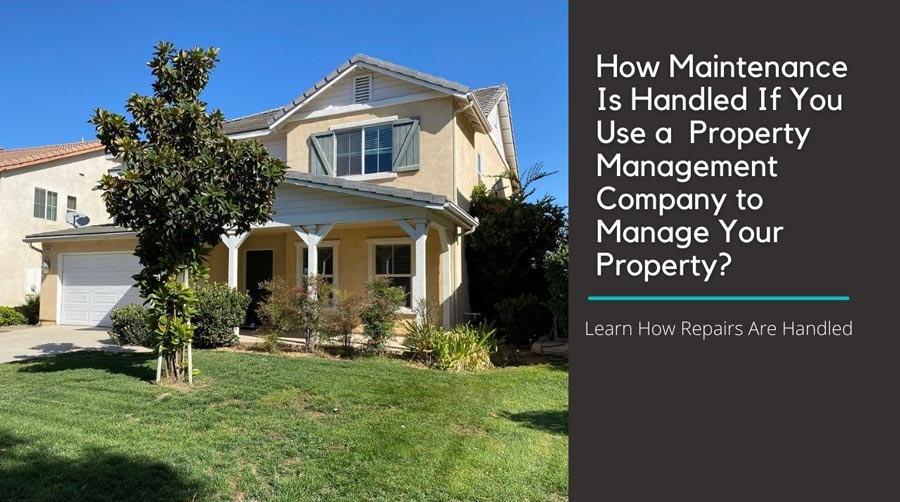
You may be interested in our related post, How Maintenance is Handled If You Use a Property Management Company to Manage Your Property

Exterior shot of a suburban home

By |2026-04-07T09:07:38-07:00September 23, 2023|Maintenance|Comments Off on Best Air Conditioning Companies in Orange County CA (Reviews/Ratings)

Top Landlord Insurance Companies in Riverside & Orange Counties

Are you a novice landlord, ready to dip your toes into property rental? According to Investopedia on A Quick Guide to Landlord Insurance, “Rookie landlords, renting out a residential property (house, vacation cottage, apartment), may assume that their Homeowners Insurance will cover all the costs in the case of a natural disaster, accident or other damaging events”. Before you dive in headfirst, let’s clear up a common misconception about “Homeowners Insurance.” What Is Homeowners Insurance and How Does It Work? Contrary to what you might believe, your trusty Homeowners Insurance won’t come to the rescue when disaster strikes your rental property. So, let’s navigate these uncharted waters together!

Today, we’re about to embark on a thrilling journey, unveiling the Top 5 Insurance Titans that offer Landlord Insurance. Hold onto your hats because this isn’t your ordinary insurance talk – we’re diving deep into cost-efficiency and customer service, making this an adventure worth embarking on. You might be tempted to think, “Insurance is insurance, right? Why sweat the small stuff?” Well, my friend, it’s time to debunk that myth. ABC Company and XYZ Company may seem like distant cousins, but the subtle differences set them apart.

Imagine securing your valuable investment for under $8.00 daily or roughly $2,700 annually. That’s less than your daily latte habit! We’re discussing safeguarding the most substantial asset in your life, so why settle for mediocrity when excellence is within reach? Prepare to make an informed choice that will protect your property and your dreams.

Cost matters, but here’s the plot twist: customer service can be the real game-changer! Think of it as your insurance superhero, ready to swoop in when disaster strikes. I’ve donned my detective hat to investigate everything, from the red-carpet treatment on the phone to those oh-so-sweet discounts. I’ve considered it all.

Imagine your property is in peril, and you need a lifeline. You want a company that’ll be your rock when it counts. That’s why we’re diving deep into this mission – ensuring that you get the royal treatment when you need it most.

Remember when I felt like a famous author when I wrote about “Landlord Insurance vs. Homeowner’s Insurance“? Well, grab your reading glasses and let’s dive back into that insurance saga with a whole lot of zest and wisdom!

Picture this: you’re at a crossroads, deciding between homeowners and landlord insurance. The grand showdown? Property coverage. Homeowners insurance swoops in to save your personal treasures – the couch, clothes, even your beloved TV (and sometimes even the bling!). But landlord insurance? The unsung hero shielding the gear keeps your rental property running. Here’s the kicker: Homeowners Insurance can be a bit of a splurge because it throws in content coverage (furniture, etc.) you don’t need. Tenants have their renter’s policy to cover those bases, you see. So why pay for what you don’t use?

Before you search for the perfect insurance policy, let’s talk essentials. We’re talking fire, loss of rent or use, malicious intent, and vandalism – the MVPs of your landlord policy. These bad boys are your trusty sidekicks, ensuring that your rental property remains a fortress of protection.

So, buckle up whether you’re a property pro or just began dipping your toes into the landlord waters. We unravel the Top Landlord Insurance Companies in Riverside County who will safeguard your property – they are the true insurance maestros!

AAA

AAA has been serving Southern California since 1900! Founded by visionary businessmen and professionals, they spent over a century providing its members various services designed to make life easier and more enjoyable.

Over the years, its offerings expanded to include membership benefits, insurance, travel services, discounts, financial solutions, and automotive services. At AAA, it’s all about convenience. AAA continually pushes the boundaries to serve you better. Whether you prefer getting a quick quote online, calling their friendly customer service team, or visiting one of their local offices, they are always ready to assist you. Plus, they have fantastic bundle discounts of up to 20% when you combine your home and auto policies, making it even more affordable to safeguard what’s important to you.

Stay connected with them on Facebook, Instagram, Twitter, LinkedIn, and YouTube for updates. Experience the benefits of being part of a century-old tradition of excellence and service with AAA!

Foremost Insurance

Foremost Insurance is your trusted partner for all your insurance needs! As a proud Farmers Insurance Company family member, they’ve been a cornerstone of the insurance industry since 1952. Its headquarters is in Caledonia, Michigan.

As a one-stop destination for personal lines insurance, offering Property Insurance, Auto Insurance, Recreational Vehicle Insurance, Motorcycle Insurance, and top-notch Casualty programs – they have comprehensive insurance solutions to protect what matters most to you. Because every individual is unique, they provide flexible payment plans and a wide range of discounts to tailor your coverage to your needs.What sets them apart? Every policy with Foremost includes 24/7 claim service, and they’re here for you when you need them the most. Plus, Foremost Insurance is just a click away on social media. Follow them on Facebook, Instagram, Twitter, LinkedIn, and YouTube Channel to stay updated and engaged with their vibrant online community.

Safeco Insurance

Safeco Insurance is your gateway to worry-free living! With Headquarters in Boston, Massachusetts, they are a proud part of Liberty Mutual Insurance, a Fortune 100 company and one of the nation’s top personal lines insurers, they got you covered, so you can embrace life with confidence and peace of mind.

At Safeco Insurance, they believe in simplifying insurance, making it effortless for you to enjoy every moment. Safeco Insurance provides the coverage you need for the life you want, whether it’s Auto, Home, Motorcycle, or Boat and Watercraft insurance. And guess what? You can save big by bundling your auto and home coverage with Safeco Insurance.

Safeco exclusively works with independent agents who offer you not just insurance but ease, choice, and invaluable advice. You can also connect with Safeco Insurance on Facebook, Instagram, Twitter, and LinkedIn for more information about their services. Grab great coverage at a great price with Safeco Insurance, and get out there and live your life knowing a trustworthy company backs you.

Travelers

Travelers is your reliable shield against life’s uncertainties! For over 165 years, they’ve earned the reputation as a top property casualty insurer, protecting the most valuable assets – your home, car, valuables, and business. Travelers offer comprehensive insurance solutions for both individuals and businesses, covering a wide range of industries. At Travelers, you can bundle and save, whether Auto + Home, Auto + Condo, or Auto + Renters, making your insurance experience seamless and cost-effective.

Founded in 1864 by James G. Batterson in Hartford, Travelers evolved through mergers, becoming The Travelers Companies, Inc. in 2007. Its commitment to excellence has garnered numerous awards and recognitions, including a place on the Fortune 500 list, World’s Most Admired Companies list, and America’s Most JUST Companies list.

Stay informed about Travelers on Facebook, Instagram, Twitter, LinkedIn, and YouTube. Travelers isn’t just insurance; it’s the right insurance for you, providing security and assurance in life’s journey.

Nationwide

Nationwide’s story began as a small mutual auto insurance company in Ohio, owned by hardworking policyholders who spent their days farming. Today, Nationwide has grown into one of the world’s largest insurance companies, with a legacy spanning more than 90 years.

As a Fortune 100 company, Nationwide offers comprehensive insurance and financial services to protect what is most essential to you. They cover everything from car and motorcycle insurance to homeowners, pet, farm, life, and commercial coverage. But its commitment goes beyond insurance – it also provides annuities, mutual funds, retirement plans, and specialty health services.

Nationwide is proud to serve communities with its headquarters in Columbus, Ohio. With its easy-to-use mobile app, you can access 24/7 support, pay bills, and access policy documents and ID cards at your convenience. Catch them on social media as they protect people, businesses, and futures.

Before you finally embark on your insurance journey, remember the Fantastic Four: Fire, Vandalism, Malicious Intent, and Loss of Rent or Use. These are your insurance superheroes, the guardians of your rental property’s peace and security.

But here’s the pro tip: flip to the end of that policy document and dive into the exclusions section. Knowledge is power, my friends! Knowing what you don’t have in coverage can be just as crucial as understanding what you do. It’s like reading the thrilling twist at the end of a novel – you wouldn’t skip it, would you?

So, whether you’re a seasoned property pro or a rookie landlord, make these steps part of your insurance checklist. Stay informed, stay protected, and may your rental property journey be smooth sailing from here on out!

By |2023-09-22T13:25:03-07:00September 22, 2023|Landlord Education, Property Ownership|Comments Off on Top Landlord Insurance Companies in Riverside & Orange Counties

Fire Safety: Learn How You can Prevent a House Fire

If only Smokey the Bear hung out in people’s homes during fire prevention month when he’s not chilling in the forest, a lot of mayhem could be avoided. On the other hand, a bear in the house isn’t that great an idea either. That, and a single month for fire prevention? Seem, oh, I don’t know, 11 months shy?!?

It’s Everywhere, All the Time

Whether you own a property, several properties, land, or rent a property, fire awareness, and fire prevention, ought to be right about the top of your list of concerns. Think about it, the news is rife with natural disasters all the time, all over the world, yet we, as humans, always see these things as “them” versus us. That simply is not true. It CAN be you.

As a topic

Now, fire prevention is a rather dry topic. You rarely see folks gathered around in a burger joint discussing this topic in earnest. Firefighters, okay, you got me there, but not regular folks. Ever. As a matter of fact, it would not be ‘front of mind’ for me, either, as I’m a relatively normal person.  The jury’s still out on that, by the way. However, working in the insurance field for some time I got to see and learn that sometimes bad things happen, and an ounce of prevention, well, you know the rest.

It Starts Outside

I’m going to have to read up the on some refreshers here, my old insurance stuff, as I’m rusty on this, but I can pass some good info here anyway. Rules of thumb: if you have 20,000 or more square feet of brush near your home, you have a serious fire hazard on your hands. That’s roughly the size of a football field, including the end zones. Brush within 500 feet or less of your domicile? There’s an issue there. Fire hydrant over 500 feet from your house? Dry hydrant? No visible address on your house? Wood stacked against your house, brush in your back yard? All of these are issues. Oh, by the way, a dry hydrant is an unpressurized pipe that sticks out of the ground and taps into a water supply, like a nearby body of water, which the water must be sucked out of to be used, versus a pressurized fire hydrant. They are more common than you may think.

But wait, there’s more

Hey, lots of people have chimineas or fire pits, right? If you have one, your insurance rates are going to go up. They are a fire hazard.

Also, not pulling a permit when altering your property can have devastating consequences. We’ll touch on this some later.

Now let’s go inside

Most homes are built to a specific building code that is designed for safety, uniformity, as well as compliance with local laws. Building inspectors from the local government serve a purpose. They are trained to spot deficiencies in the building process, and this includes all of the things that kill you, like fire.

First, let’s touch on some commonsense items.

Should you smell natural gas, shut off the gas at your gas meter and call the gas company, stat! Don’t bother hunting the leak down, let a trained professional handle this.

Your smoke detectors are chirping, what to do? Erm, change the batteries? Am I being facetious? Nope. Let me explain.

Storytime:

My granddaughter has a lot of friends, but there are two she’s talking with all the time. One life down the block in a rental, (not one of ours), and every time I go there to retrieve her (Dinner time, time to come home!) I can hear the smoke detectors chirping inside. All of them. All the time. I have talked to the father, but he does not seem to think it’s of any importance.

The other friend she walks to school with. Each morning they get on the phone and talk about what they are wearing and stuff like that. And, each morning, my dogs cower. My dogs are scared to death of chirping smoke alarms. I have some weird dogs. Anyway, since both girls are on speakerphone, my dogs can hear a chirping smoke alarm at the other girl’s house. On the way home tonight, I’m picking up a pack of 9-volt batteries for my granddaughter to give to them.

Leading the Horse to Water but

However, I cannot make them put the batteries in, but at least they have that option. You see, in both cases, the smoke alarms are house-powered and interconnected, so these folks think all is well, despite the chirping. So, what happens in an electrical fire? Usually, the electrical panel fails, and those battery backup smoke detectors are running only off the batteries. But if the batteries are dead…

By the way, each hallway, meaning the downstairs and upstairs hall, and each bedroom ought to have a smoke detector. Nowadays they make smoke detectors that have 10-year batteries installed. If your smoke detectors are strictly house powered, old, painted over, damaged, do not sound, get rid of them, and upgrade to the new types!

Clothes Dryers Are Killers

That load of wash you’re sticking into the dryer does not give a hoot nor holler about fire prevention. It’s just a dumb, heavy machine, not like you, you’re smart. You regularly clean the lint trap before each load, and yearly (and no less than every three years) clean out the duct that runs to the outside, right? Oh, you don’t? You’re not the only one.

Cleaning the lint trap before every load is imperative! Equally, so is the regular cleaning of the ductwork. My brother-in-law got the most expensive free dryer ever a few years ago. On the first day of having it, he started a batch drying before going out to dinner. That dryer burnt down half the house.

Home depot has products that will help you clean that ductwork as part of your fire prevention routine!

Santa’s Main Entry

When was the last time you cleaned the inside of your wood-burning fireplace chimney? Three years or more? Call a chimney sweep, you know, like the guy from Mary Poppins. You may think chimney sweeps are outdated and long gone, but you would be mistaken. They are still around and serve an important function. That creosote buildup going up your fireplace can ignite! What Is Creosote?

That Pot Belly in the Corner

Wood-burning stoves are an anachronism. Unless you live in the mountains, or out in the sticks, you may have never even seen one up close and personal. They provide a lot of heat, and they have their own special charm. And they are dangerous.

A good rule of thumb is to keep said stove 36 inches or more away from anything combustible. Almost all wood-burning stoves made since the 1970s have data plates or stickers that inform you, the end-user, the proper distances for each model. If you’re considering buying one, let a qualified and licensed/insured professional install it. Said pro would make sure the clearances are correct and will install a proper sleeve in the ceiling or wall where the vent pipe will exit. Also, you want to make sure there is nonflammable flooring beneath the until extending to lea than 18 inches out from the fire door. Again, local ordinances vary, so check and do it right once.

That Big Beautiful Flat Spot

This happens all the time: You take something into the garage to store, and “dang it, where am I going to set this down at?” You spot that area right near the water heater or furnace; it’s open, it’s flat, bingo! Hold on there, Charlie! (Sorry if your name is Charlie, by the way). Keep at least 36 inches around the water heater and furnace free of any combustible items! 7% of household fires start right here, and 4% of household fire deaths.

Now You’re Cooking

If you’re leaving the kitchen for any length of time, turn your kitchen burners off! I have walked out of the kitchen many times and gotten distracted by something and burned the life out of dinner.

Also, if you have a grease fire, do NOT try to out it out with water! I almost did this once and was lucky not to have burned down the house. My wife grabbed my shoulder, yelling something to the effect of “Hey, stupid, what are doing!!?!” She grabbed some flour and doused the flames. Yes, the cleanup was a mess, but it would have been worse had I did that thing. Grease fires happen. Don’t make it worse!

The Match Game

My son, he’s really something. I’m very proud of how he turned out. It was dicey there for a bit. He LOVED to play with matches when he was little. He lit a recliner on fire once, and a large stack of newspapers in the side of the garage another time.

Do yourself a favor and put matches away somewhere high and safe. You can take fire prevention seriously, but kids, they don’t, not so much. I was that little goofball who’d a light paper on fire with a magnifying glass.

Heat That Space

But use the furnace the house came with. Space heaters are big business, and they are dangerous! As an insurance inspector, if I found a space heater in a home, and I was required to look, instant fail. Either the coverage rates would skyrocket, but more often than not, the policy was at risk for cancelation. “But mine shuts off if it’s tipped over!” Well, it’s designed to, but that does not mean it will every time.

The Panel

This tidbit is the most expensive fix. Electricity is no joke. It will shock you to death, but it can also cause fires! Here’s something people rarely think about: If you have ever muttered to yourself “Dagnabit, the breaker clicked off again!”, you’re probably asking that particular circuit to provide more juice than it can provide. You see, when a breaker is new, it is rated at a certain amperage. That 15-amp breaker, when it’s new, permits 15 amps to pass to the lines in the home, but over time that amperage drops. Corrosion, wear, and that bane of all us now living, time takes its toll. On the other hand, if you’re plugging in an appliance that draws, say, 20 amps, into a line rated at 15 amps, you’re asking for problems.

What happens at the wires in the walls is called resistance, and resistance creates heat. Enough and the wire will melt, and can also, potentially, catch fire. Check your appliance first; its amp draw should be on its plate or sticker.

More on the Panel

Your house, if built before 1980 or so (and I have seen this in as later as 1990 builds), may have a dangerous electrical panel. For example, Federal Pacific panels tend to nut trip breakers when overloaded, and fires result. Zinsco panels tend to have their breakers melt when overloaded. Zinsco panels can be labeled simply Zinsco, Sylvania Zinsco, or GTE Sylvania Zinsco. Both of these dangerous panels are very distinctive looking. However, I have seen folks remove the labeling, even going so far as to fabricate custom door-covers so that, unless you open the cover, you would not know you’re dealing with a naughty box.

If you’re in doubt, Google the above product names and you’ll see, 1) why I bring this up, and 2) images that will show you what to look for. You’ll spend 2 to 4 grand to replace the panel, but aren’t you and your family worth at least that?

Permits, as Promised

Okay, see it was not an empty promise. Building permits are important for several reasons. For starters, if significantly altering your house, it’s the law. Many people skirt this though, and when it comes time to sell your house, you may not qualify for a buyer using FHA financing. That can stall, or even kill your sale. But here is a more compelling reason:

If the code enforcement-building inspector-permit person signs off on it, you’re pretty much golden. That professional eye is detail-oriented. What does that have to do with fire prevention? Well, they know that aluminum Romex (a type of wiring) is a no-no. They know that the Zinsco electrical box your handyman scored at a garage sale is a no-no. They know the proper tolerances of specific items.

Don’t be a permit pariah.

The Rap Wrap

There are so many other things I can list, but my best advice? Use common sense. Use licensed/insured contractors always. Always err on the side of caution. Do it right.

As Smokey the Bear might say, only you can prevent (forest) fires. I would add to that; fire prevention is everyone’s job.

image with text "Ready to talk to Tyler about an investment property? Call him at 951-735-2000"

By |2023-09-20T15:24:32-07:00September 20, 2023|Resident Education|Comments Off on Fire Safety: Learn How You can Prevent a House Fire
Go to Top