Orange County (949) 721-6608 – Riverside County (951) 735-2000

Management One

Orange County (949) 721-6608
Riverside County (951) 735-2000

Management One

About mgt1stg

This author has not yet filled in any details.
So far mgt1stg has created 156 blog entries.

Before You Sell Your Rental Property, Read This First

In today’s evolving real estate market, many rental property owners are asking the same question: Is now the right time to sell?

For some, the answer is yes—and that’s completely valid. Selling can be a smart financial move depending on your goals, equity position, and long-term strategy.

But before you take that next step, there’s one thing we strongly recommend:

Call Management One First.

Not All Real Estate Agents Are Created Equal

Here’s the reality most landlords don’t hear until it’s too late:

All real estate agents are licensed—but not all are experts in landlord-tenant law.

It’s similar to this:

All surgeons are doctors… but not all doctors are surgeons.

Most agents are excellent at:

  • Pricing and marketing
  • Negotiation and closing

But selling a resident-occupied rental requires a completely different level of expertise, including:

  • Lease enforcement
  • Tenant rights
  • Legal notice requirements
  • Just Cause eviction laws
  • Capital Gains tax– Must check with CPA

This is where mistakes happen, and those mistakes can be expensive.

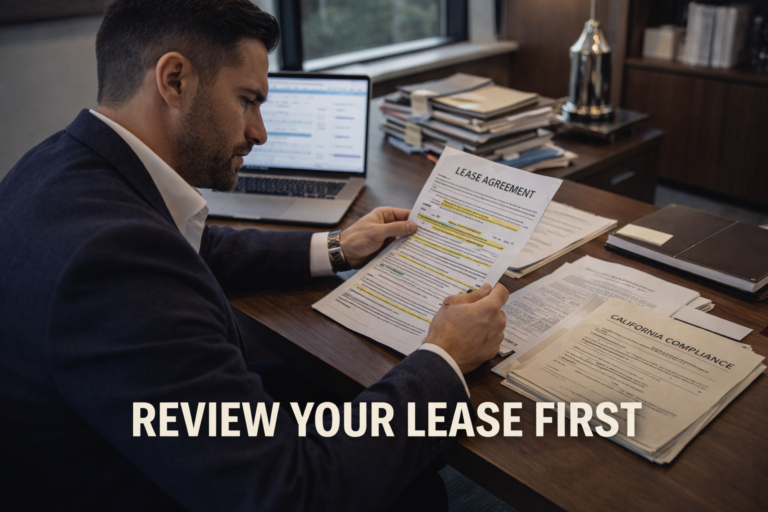
Step One: Review Your Lease Agreement

Before listing your property, your tenant’s lease must be reviewed carefully.

Under California Civil Code § 1940–1954, a lease is a binding legal contract. Selling the property does not cancel it.

This means:

  • A fixed-term lease typically must be honored through its expiration
  • The buyer may be required to inherit the tenant and lease terms
  • You cannot simply require a tenant to vacate without legal grounds

We help you determine:

  • Whether the property can be delivered vacant
  • What are your legal options
  • How timing impacts your ability to sell
Understanding Just Cause Law (Critical for Sellers)

California’s California Tenant Protection Act of 2019 (AB 1482) significantly impacts how and when a tenant can be asked to leave.

If your property falls under Just Cause requirements:

You must have a valid legal reason to terminate tenancy, such as:

  • Owner move-in
  • Substantial remodel
  • Withdrawal from the rental market
  • Other qualifying causes

Selling the property alone is not always sufficient cause.

This is one of the most misunderstood areas—and where untrained agents often give incorrect guidance.

Notice Requirements: 30-Day vs. 60-Day Notices

Even when termination is allowed, it must be handled properly.

  • 30-Day Notice → Typically for tenants in place less than one year
  • 60-Day Notice → Required for tenants in place for more than one year

Additionally:

  • Notices must meet strict legal standards
  • Errors can invalidate the notice entirely
  • In some cases, relocation assistance may apply

We ensure everything is executed correctly—protecting you from delays and liability.

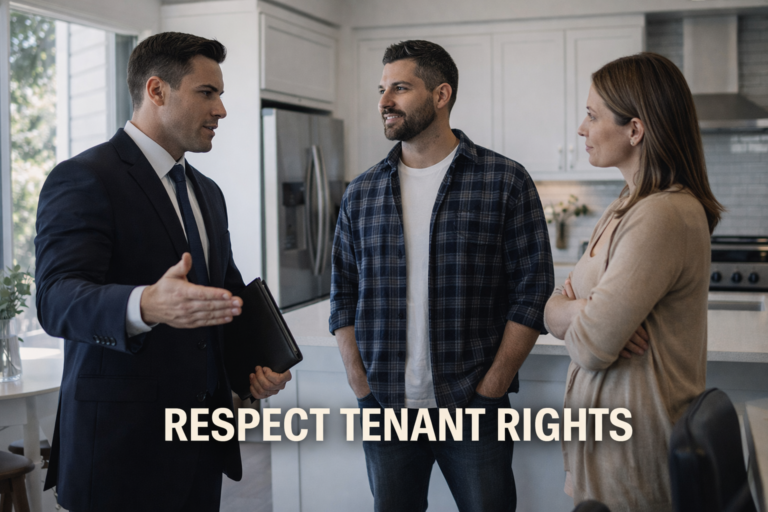
Tenant Rights During the Sale Process

Selling a resident-occupied home requires careful coordination.

Under California Civil Code § 1954:

  • Tenants must receive proper notice (typically 24 hours) before entry
  • Showings must respect the tenant’s right to quiet enjoyment
  • Access must be handled professionally and legally

Poor handling here can create friction, delay your sale, or expose you to risk.
Don’t Forget Your Management Agreement

In addition to resident considerations, your agreement with Management One must also be reviewed.

We will:

  • Confirm your contract expiration timeline
  • Review any termination provisions
  • Align your sales strategy with your agreement

This ensures a smooth transition without unnecessary complications or fees.

Need a Real Estate Agent? We’ve Got You Covered

If you don’t already have an agent, Management One can connect you with professionals who understand both real estate sales and landlord-tenant law, a critical combination.

We’re proud to work with:

They work closely with our team to ensure:

  • Lease timelines align with your sale
  • Tenant communication is handled properly
  • Legal requirements are followed from listing to closing
  • Your property is positioned to sell efficiently

This coordinated approach eliminates guesswork and protects your outcome.

Selling Is Strategic, Not Just Transactional

Selling a rental property is not just about putting a home on the market.

It’s about:

  • Timing your lease correctly
  • Navigating Just Cause law
  • Delivering proper legal notice
  • Coordinating tenants, buyers, and contracts

When done right, you protect:

  • Your financial return
  • Your legal position
  • Your long-term investment strategy

Before You List, Let’s Talk

If you’re considering selling, whether now or in the near future, reach out to Management One first.

We’ll review:

  • Your lease
  • Your resident’s status
  • Your management agreement
  • Your legal obligations

So you can move forward with clarity, confidence, and a plan.

Contact Management One Today

A quick conversation now can save you time, money, and unnecessary risk later.

By |2026-04-01T12:55:41-07:00March 26, 2026|Landlord Education|Comments Off on Before You Sell Your Rental Property, Read This First

Management One CEO Ron Sudman Featured In Forbes On Rental Fraud Prevention

Management One CEO Ron Sudman was recently featured in the Forbes Business Council, sharing insights on an issue that is becoming increasingly important for landlords and real estate investors: rental fraud prevention.

In the article titled Fraud In Rental Properties: What’s Lurking Under The Surface,” Sudman explains how fraudulent rental applications, identity manipulation, and falsified financial documents are becoming more sophisticated as rental processes move online.

For property owners, rental fraud prevention is no longer optional. It has become a critical part of protecting rental income, maintaining property value, and ensuring stable long-term investments.

Read the full Forbes article here:
https://www.forbes.com/councils/forbesbusinesscouncil/2026/02/19/fraud-in-rental-properties-whats-lurking-under-the-surface/

Rental fraud prevention landlord reviewing tenant application documents

Why Rental Fraud Prevention Is More Important Than Ever

The rental housing industry has changed dramatically over the past decade. Online applications, digital leasing systems, and automated screening tools have made renting faster and more convenient.

However, these same technologies have also made it easier for fraudsters to manipulate information.

Today’s fraudulent rental applications may include:

  • Altered pay stubs

  • Fake employment verification

  • Manipulated bank statements

  • Synthetic identities

  • Stolen personal information

These documents can appear legitimate, making it difficult for individual landlords to detect problems without strong verification systems.

This is why rental fraud prevention has become an essential part of professional property management.

Rental fraud prevention landlord reviewing tenant application documents

The Financial Risks Rental Fraud Creates for Landlords

Rental fraud can create serious financial consequences for property owners.

If a fraudulent tenant secures a lease, landlords may face a series of costly challenges including:

  • Missed rent payments

  • Lengthy eviction proceedings

  • Property damage

  • Legal expenses

  • Vacancy losses during turnover

For real estate investors who rely on consistent rental income, these issues can quickly impact the overall performance of their investment.

Implementing strong rental fraud prevention strategies helps reduce these risks before they become expensive problems.

Rental fraud financial losses landlord reviewing unpaid rent paperwork

How Professional Property Management Improves Rental Fraud Prevention

One of the most effective ways to reduce fraud risk is through a structured tenant screening process.

Professional property management companies typically use multiple layers of verification, including:

  • Direct employer verification

  • Rental history confirmation

  • Financial documentation analysis

  • Identity verification through multiple data sources

These systems help identify inconsistencies that might otherwise go unnoticed.

At Management One, our screening systems are designed to protect both property owners and residents while maintaining fair housing compliance and consistent leasing standards.

Secure your Orange County rental income with industry-leading fraud prevention. Explore our Orange County management solutions.
https://www.managementone.com/property-management-orange-county

Professional property management tenant screening process

Technology Is Changing Fraud Detection

Modern property management systems are increasingly using advanced verification tools to identify suspicious patterns within rental applications.

These systems analyze multiple data points simultaneously and flag potential discrepancies before a lease is approved.

Combined with experienced property management professionals reviewing each application, these tools create a much stronger defense against fraudulent activity.

As rental fraud tactics evolve, screening systems must evolve as well.

Protecting Your Rental Property Investment

While no screening process can eliminate every risk, landlords can take several important steps to strengthen rental fraud prevention.

Best practices include:

  • Verifying employment directly with employers

  • Reviewing full financial statements when necessary

  • Checking rental history with previous landlords

  • Confirming identity through multiple verification sources

  • Using experienced property management systems

These steps help ensure that applicants are thoroughly vetted before being approved.

Landlords who take a proactive approach to rental fraud prevention are better positioned to maintain stable rental income and long-term investment success.

Protecting rental property investments through professional management

Continuing The Conversation On Rental Housing Risks

Ron Sudman’s Forbes Business Council article highlights an important issue affecting today’s rental housing market.

As fraud tactics continue evolving, landlords and investors must stay informed and adopt stronger verification processes to protect their properties.

Management One remains committed to educating property owners and providing professional systems that help reduce risk while maintaining efficient leasing operations.

Protect your portfolio with the same systems featured in Forbes. Partner with Management One today. Visit: https://www.managementone.com/property-management

Frequently Asked Questions About Rental Fraud Prevention

What is rental fraud?

Rental fraud occurs when an applicant intentionally provides false information in order to obtain a lease. This can include falsified income documents, identity theft, or fake rental history.

Why is rental fraud increasing?

Rental fraud is increasing as more rental processes move online. Digital tools allow fraudulent documents to appear more convincing, making verification more important than ever.

How can landlords prevent rental fraud?

Landlords can reduce fraud risk by verifying employment, reviewing financial documentation carefully, checking rental history with previous landlords, and using professional screening services.

Can property management companies help prevent rental fraud?

Yes. Professional property management companies use advanced screening tools, layered verification processes, and experienced review to detect inconsistencies and reduce fraud risk.

What happens if a fraudulent tenant is approved?

If a fraudulent tenant is approved, landlords may face unpaid rent, eviction proceedings, property damage, and vacancy losses. Preventative screening is the most effective way to avoid these situations.

By |2026-04-07T08:04:25-07:00March 4, 2026|Industry News, Landlord Education|Comments Off on Management One CEO Ron Sudman Featured In Forbes On Rental Fraud Prevention

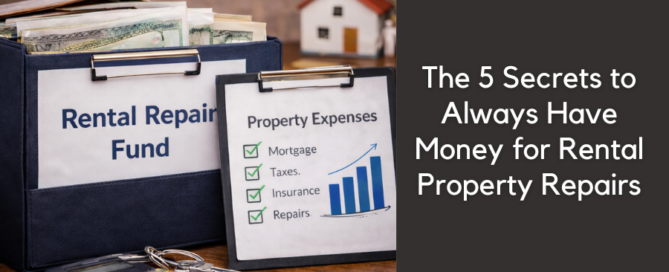
The 5 Secrets to Always Have Money for Rental Property Repairs

Honey, we received the rent payment from our residents. All the bills are paid this month, let’s take the kids and go to Disneyland this weekend.”  Not so fast……

STOP! And let’s see if that’s in your rental property plan.

Don’t fall into this habit. As landlords, it’s easy to use the money that comes from your rental property to fund other stuff. This is setting yourself up for stress when your rental property needs repairs or a new roof $15,000.

Rent Payment

Here are the 5 Secrets for success and to always have money for repairs.

1) Set up a rental checking savings account. This account is separate from your personal checking account.

* If you own more than one rental property you can combine them all in one account.

Rental Account

2) When you open the checking account, open it with $1,000 to $5,000. At minimum enough to make your mortgage payment from it.

Repair Reserve

3) Use this account to pay mortgages, property taxes, insurances, and repairs for the rental properties.

4) Have the rental payments deposited directly into this account. Avoid sending it to your personal account to prevent second thoughts on transferring the funds.

Rental Deposit

5) When your taxes are completed, ask your accountant how much you got back because you own a rental property. Whatever the amount is, transfer it from your personal account into the rental checking savings account.

As rents come month after month, year after year, they go directly into that account. The account grows. Before you know it, you have enough money in the account to pay for the new roof and take a vacation.

Treat this rental checking account as your IRA and don’t touch it.

Roof Replacement

Myth Buster:

“If I raise the rent, the resident will leave.”

We’ve proven this myth wrong. Over the last five years, we’ve been actively raising rental rates to compete with the current rental market.

Annually, we raise rents on approximately 500+ properties. In 2024, 8 residents moved due to rental increases. That’s only a 1.6% turnover. We are not price gouging; we are bringing properties up to the current market value within the amount allowed by law.

For example, one property was rented for $1,425 in 2021. In 2022, we raised the rent by $269, in 2023, we raised the rent by $125, and in 2024 we raised the rent by $200. Now, the property is closer to market value.

Annual Rent Review

With that said the laws have changed on the amount you can increase. We can still accomplish the same thing, but just use a different strategy the law gives us.

Now to get your rent up to market rental rate before the law passes on rent control, we do the following.

If your rent is more than $500 below market rate, we would use a process thar raises your rent up to market rate immediately and then raise it each year thereafter on what the law allows.

 Enjoy the Journey as you buy several properties over time

Your rental property should be funding itself. If it’s not, then let’s talk. We are happy to review your situation and see what’s working and what’s not.

Residents today will pay for value; they are not the residents of 30 years ago. We know we’ve rented over 11,000 houses.

Rental Growth

Maybe you’ve been a softy and not raised the rent like you should.  Sometimes, we get so caught up in our everyday life and the grind that we forget to stop and evaluate things.

Just like you must have insurance on your property, you have to properly manage the cash flow of your rental property, which we just went over.

Over the last forty years, we have helped thousands of people with their journey of owning rental properties.

Our goal is for all our landlords to enjoy the journey of owning a rental property or properties. Have less stress, more fun, and build generational wealth for you and your kids. We can help, give us a call. 

Rental Portfolio Plan

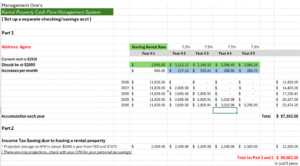
This chart breaks down how rents compound over the years and you can see how quickly you can accumulate cash in your rental checking account. Call for appt now!

Chart breaks down how rents compound over the years


By |2026-04-01T08:42:14-07:00February 4, 2026|Landlord Education, Maintenance|Comments Off on The 5 Secrets to Always Have Money for Rental Property Repairs

Sole Proprietors, LLCs, And Umbrella Insurance: A Landlord’s Guide To Asset Protection

Management One is proud to announce that Ron Sudman, our CEO, has been featured in Forbes as a writer and contributor to the Forbes Business Council. His latest article, “Sole Proprietors, LLCs And Umbrella Insurance: A Landlord’s Guide To Asset Protection,” provides critical insights for rental property owners navigating today’s increasingly complex legal landscape.

Here you go……………….

For more than 40 years, my company has guided landlords through the complexities of property ownership. In that time, we’ve seen too many owners learn the hard way: One lawsuit can destroy decades of wealth-building and jeopardize their future retirement and the legacy of generational wealth. The choice between holding property as a sole proprietor or a limited liability company (LLC), along with your insurance policy, can determine whether your financial future is stable or rocky.

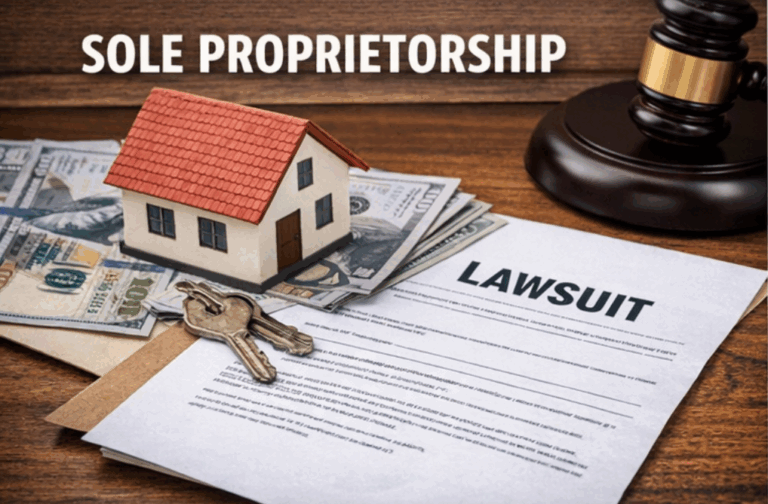
Sole Proprietorships

A sole proprietorship is “an unincorporated business owned by a single individual who is entitled to all profits and responsible for all debts and obligations,” according to Investopedia. Sole proprietorships are a simple business structure, but they could leave landlords vulnerable to legal action and the potential loss of their assets in the event of a case.

Pros Of Sole Proprietorships

  • They’re relatively easy to start and maintain and have “fewer business fees” than LLCs, according to Nerd Wallet.
  • Income may be reported on your personal tax return, Nerd Wallet also said.
  • You have full control of decisions and profits.
  • You don’t have to get anyone else’s permission to make improvements.

Cons Of Sole Proprietorships

  • This structure has unlimited personal liability. If a tenant or guest is injured on your property, your assets may be at risk, including your rental properties, your personal home, savings, and other assets.
  • Some landlords may find it challenging to attract partners or secure financing.

I’ve seen these risks through my company’s work. For instance, before working with us, one of our clients was sued by a tenant who tripped and fell on a cracked city sidewalk in front of his home. He drained his savings and mortgaged his home to cover the costs associated with his defense. He won the case, but not without great cost. After the case was over, he made some changes to how the property is held to better protect his financial future.

LLCs

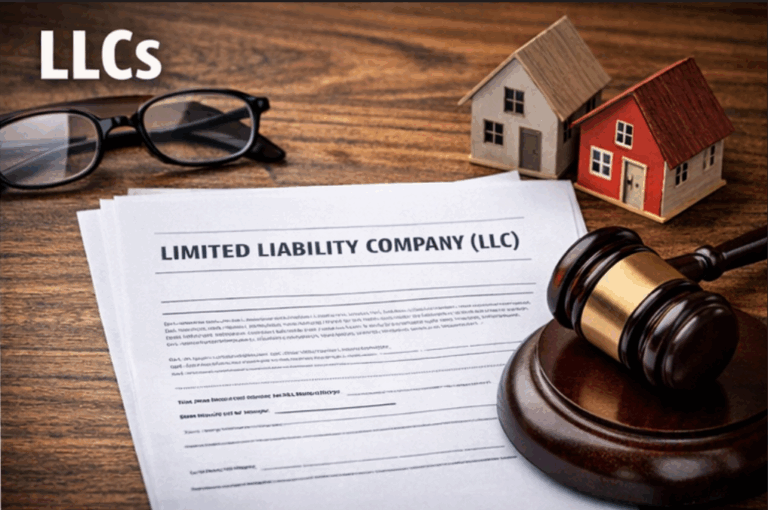
According to Forbes Advisor, an LLC is “a common business structure for small businesses, entrepreneurs and freelancers.” For landlords, an LLC has its pros and cons, which must be evaluated to determine if this is the best course of action.

Pros Of LLCs

  • You have more asset protection. Per the aforementioned Forbes article, business liabilities, such as lawsuits, are generally limited to the LLC’s holdings, which can help protect personal wealth.
  • There are potential tax benefits, Forbes also said, depending on how you elect to have the LLC taxed.
  • Professional credibility, as lenders and tenants may view LLCs as more legitimate.
  • Some landlords choose to individualize each property in separate LLCs to limit exposure to just the singular LLC (though there are potential drawbacks to consider with this option).

Cons Of LLCs

  • Formation and other required fees can add up and vary from state to state.
    You need to maintain separate accounts and records. Comingling with your personal funds “can dismantle the legal and financial protections the LLC provides,” according to LegalClarity.
  • Some lenders require personal guarantees, which reduces the benefit of using an LLC.

Umbrella Insurance

While an LLC creates a legal barrier, some use an umbrella policy as a financial safety net. According to Forbes Advisor: “Umbrella insurance provides coverage beyond your liability insurance limits, which can pay out if you or your household members accidentally cause property damage or injuries to other people. Umbrella coverage can also protect you or your household members if they are sued. Whether you need umbrella insurance depends on your assets, the risks you face, and what you have to lose.”

The cost of an umbrella policy typically falls around $383 per year for $1 million of coverage, Forbes said. That’s about $32 a month. Rental property insurance premiums may be tax-deductible.

Pros Of An Umbrella Policy

  • It extends liability coverage.
  • Policies may cover legal defense costs.
  • It’s a relatively affordable way to buy peace of mind.

Cons Of An Umbrella Policy:

  • If damages exceed policy limits, personal wealth could still be at risk.
  • There may be exclusions for intentional acts or gross negligence, and the policy may not cover damages caused to your personal property by you.

Choosing Your Protection Strategy

For landlords, you might find a sole proprietorship to be suitable if you’re just starting out with one unit and want minimal costs. An LLC may be ideal if you have multiple properties or significant personal assets. Umbrella insurance can add coverage whether you own personally or opt for an LLC, layering protection for catastrophic events.

Final Word

Landlords don’t typically lose sleep over clogged drains, but rather over the thought of losing personal assets in a lawsuit. The question isn’t whether you should protect your investments; it’s how much protection you need. Make sure you weigh the pros and cons of sole proprietorships, LLCs, and umbrella insurance to find the model right for you.

The information provided here is not legal advice and does not purport to be a substitute for advice of counsel on any specific matter. For legal advice, you should consult with an attorney concerning your specific situation.

By |2026-04-01T08:48:51-07:00January 6, 2026|Landlord Education|Comments Off on Sole Proprietors, LLCs, And Umbrella Insurance: A Landlord’s Guide To Asset Protection

Management One CEO Ron Sudman Featured in Forbes on Landlord Asset Protection

We’re proud to announce that Ron Sudman, CEO of Management One, has been featured in Forbes as a contributor to the Forbes Business Council. His latest article, “Sole Proprietors, LLCs And Umbrella Insurance: A Landlord’s Guide To Asset Protection,” provides critical insights for rental property owners navigating today’s increasingly complex legal landscape.

With more than 40 years of experience guiding landlords, Ron shares real-world lessons learned from decades of managing rental properties across Southern California. His Forbes article focuses on one of the most important but often overlooked aspects of property ownership: protecting your personal assets from liability exposure.

Why This Matters for Orange County and Riverside Landlords

Whether you own a single rental home or a growing portfolio, property owners in Orange County and Riverside County face significant risk if their properties are not properly structured and insured. As Ron explains in the article, one lawsuit can jeopardize decades of wealth-building, especially for landlords operating as sole proprietors without adequate liability protection.

Drawing on firsthand experience from Orange County property management and Riverside property management, Ron outlines:

  • The key differences between sole proprietorships and LLCs
  • The hidden risks of unlimited personal liability
  • How umbrella insurance policies can provide an added layer of protection
  • Why legal and insurance decisions should align with long-term investment goals

These insights are especially relevant in high-cost, high-liability markets like Orange County and rapidly growing areas throughout Riverside County.

Real-World Expertise, Not Theory

What sets this Forbes article apart is its foundation in real cases. Ron has seen landlords face lawsuits over issues as simple as trip-and-fall incidents sometimes occurring on city sidewalks outside the property putting personal homes, savings, and retirement at risk. These scenarios reinforce why proper asset protection planning is essential for every rental property owner.

Transparent Pricing That Supports Smarter Decisions

Protecting your assets also means understanding your costs. As part of our commitment to transparency, Management One recently updated our property management pricing page so owners can make informed decisions without surprises.

View our updated Property Management Fees and pricing structure
https://www.managementone.com/property-management-fees

Clear pricing, combined with professional management, helps landlords focus on long-term stability, not short-term headaches.

A Continued Commitment to Educating Landlords

Ron Sudman’s Forbes feature reflects Management One’s long-standing commitment to landlord education, transparency, and risk mitigation. From legal structuring guidance to day-to-day operations, our team has helped thousands of owners make smarter decisions through professional property management in Orange County and property management Riverside.

We encourage all property owners to read Ron’s full Forbes article and evaluate whether their current ownership structure and insurance coverage truly protect their future.

Read the full article on Forbes:
Sole Proprietors, LLCs And Umbrella Insurance: A Landlord’s Guide To Asset Protection

By |2025-12-29T15:28:43-08:00December 29, 2025|Industry News|Comments Off on Management One CEO Ron Sudman Featured in Forbes on Landlord Asset Protection

Reasonable Accommodation vs. Reasonable Modification: What Landlords Need to Know

In January 2024, new rental property laws were introduced in California, including a redefined term for ensuring equal access to dwellings for individuals with disabilities. This article’s objective is to clarify these legal changes and help California landlords avoid Fair Housing issues.

Navigating the Nuances of Property Management: A Guide to Reasonable Requests

Navigating rental housing laws can introduce unfamiliar language, especially when it comes to supporting residents with disabilities. Terms like “reasonable accommodation” and “reasonable modification” are often confused, yet each serves a unique purpose in ensuring accessibility. This article clarifies these differences to help landlords and residents stay informed and compliant.

What is Reasonable Accommodation?

Reasonable accommodation entails adjustments or exceptions to rules, policies, practices, or services to ensure equal housing opportunities for individuals with disabilities. It centers on adapting how tasks and procedures are conducted.

Property manager and resident talking

Key points about reasonable accommodation include:

Individualized Assessment: Each request for reasonable accommodation should be evaluated on a case-by-case basis, taking into account the specific needs of the person with the disability.

Not Unduly Burdensome: The accommodation should not impose an undue hardship on the landlord, such as a significant expense or difficulty.

Interactive Process: Often, fulfilling a request for reasonable accommodation involves an interactive process between the individual with a disability and the landlord to determine a suitable accommodation.

Legal Requirement: In many cities, providing reasonable accommodation is a legal requirement under disability rights laws, such as the Americans with Disabilities Act (ADA) in the United States.

Confidentiality: The process of requesting and implementing reasonable accommodations should respect the individual’s privacy and confidentiality.

Understanding and implementing reasonable accommodation is vital for creating inclusive and accessible environments for individuals with disabilities, ensuring they have equal opportunities in housing.

Examples and Scenarios from Fair Housing:

  • Allowing a resident with a service animal in a no-pet home.
  • Allowing a resident to pay on the 10th of the month instead of the 1st because their disability checks don’t come in until the 9th of the month.

Service dog in living room

What is Reasonable Modification?

Physical Changes for Accessibility: Reasonable modification encompasses physical alterations to the current or prospective living spaces of individuals with disabilities, enabling them to fully enjoy and utilize the premises. It entails making structural changes to the property.

This concept is commonly applied in the context of housing and is distinct from reasonable accommodation, which typically involves changes to rules or policies.

Key aspects of reasonable modification include:

Physical Alterations: It involves making physical changes to the living environment. Examples include installing grab bars in bathrooms, widening doorways for wheelchair access, or modifying the height of countertops and sinks.

Purpose: The modifications are made to ensure that a person with a disability has full enjoyment of the housing and its facilities.

Resident’s Responsibility: Unlike reasonable accommodations, which are usually the responsibility of the landlord, reasonable modifications are often made at the expense of the person with the disability. However, there are cases, especially in publicly funded housing, where the housing provider may be required to bear the cost.

Permission from Housing Provider: Residents may need to seek permission from their landlords before making any modifications. However, under laws like the Americans with Disabilities Act (ADA) and the Fair Housing Act, landlords are generally required to allow these modifications.
Restoration Requirement: In some cases, the resident may be required to restore the property to its original condition upon moving out, especially if the modifications are deemed unreasonable for future residents.

Legal Protection: People with disabilities are legally protected to request reasonable modifications in their homes. Housing providers are obligated to allow these modifications when they are necessary for the individual with a disability to fully use and enjoy the dwelling.

Per the U.S Department of Housing and Urban Development, Examples and Scenarios:

  • Installing grab bars in the bathroom of a resident with a disability.
  • Modifying the height of countertops for a resident in a wheelchair.

Contractor Installing Grab Bar

Who Pays?

Accommodation: Typically, no cost to the property owner, as these are changes in policies or practices.

Modification: Often at the resident’s expense, though there are cases where the property owner may share or take on costs.

Home Budget Desk Arrangement

Legal Framework

Both fall under the Fair Housing Act, which prohibits discrimination based on disability. However, the specifics of how each is handled can vary based on local laws and housing types.

What Can the Landlord Require Before Approving the Accommodation or Modification?

A landlord may want to request a verification of disability from the person requesting accommodation or a modification to confirm that the person, in fact, has a disability. Legally, you can ask for this if the disability isn’t obvious. For example, if a person is using a mobility device to get around, asks for a wheelchair ramp, a landlord can’t ask for a letter proving disability; it’s obvious. On the flip side, if someone asks for a rental payment modification and they don’t have an obvious disability, you can ask for proof. An example of this would be someone who gets disability for a back injury; they are disabled, but it’s not obvious.

Wheelchair Accessibility Ramp Scene

What are acceptable forms of “proof”?

A doctor’s note is probably what comes to mind for most people as proof of a disability.  However, the law allows for a lot of flexibility in the manner. A reliable third party who is in a position to know about the individual’s disability or disability related need. In most cases, if the above-mentioned requirements are met, a reasonable modification can’t be denied.

Tenant and Landlord Interaction

NOTE: We are not attorneys. We strongly recommend that you speak with a Fair Housing attorney or your own Attorney before denying any request for reasonable accommodation or modifications.

Conclusion: Creating A Home for All

Understanding the distinction between reasonable accommodation and modification is not just about legal compliance; it’s about creating an accessible environment for all residents. By addressing these needs effectively and empathetically, landlords and management companies alike can create a welcoming home while respecting the rights of all parties involved.

Remember, at the heart of these terms lies the goal of creating a living space where everyone, regardless of their abilities, can feel at home.

Cozy accessible living room

By |2026-04-03T06:05:54-07:00November 26, 2025|Landlord Education|Comments Off on Reasonable Accommodation vs. Reasonable Modification: What Landlords Need to Know

California Landlords: What You Need to Know About the 2025-2026 Legal Shift to stay LEGAL

As a California rental home owner, staying on top of the evolving regulatory landscape is crucial. In 2025, the state passed several important laws that impact how you navigate residents, properties, fees, security deposits, and screening. Looking ahead to 2026, additional reforms will bring more obligations, so preparation is key.

Below is a breakdown of the key changes (2025) and what’s coming (2026) compiled specifically for owners of single-family homes and investment rental properties.

Key 2025 changes for landlords

Positive rent-payment reporting – Under AB 2747 (effective April 1, 2025, for new leases; for existing leases by April 1), landlords must offer residents the option to have their on-time rent payments reported to a consumer-reporting agency.

Landlords or management companies can only report positive payments; no late payments can be reported.

Landlords may charge a fee (actual cost) of no more than about $10/month to cover this service.

According to the California Apartment Association, this law doesn’t apply to the following:

The owner of 15 or fewer residential rental properties, or if you own a residential building with 15 or fewer units,  unless both of the following apply:

  • The landlord owns more than one residential home, condo, or apartment building, regardless of the number of units in each building.
  • The landlord is one of the following:

– A real estate investment trust, as defined.

– A corporation.

– A limited liability company in which at least one member is a corporation.

Security deposit & photographic evidence rules

Starting July 1, 2025 (for new leases) you must supply “before” move-in photos, and “after” vacancy/cleaning/repairs photos tied to any deposit deductions.

If you fail to provide required photo documentation and itemized deduction statements, you may lose the ability to claim against the deposit. You may also be charged up to three times the security deposit in damages.

Essentially you are sending out two security deposit breakdowns. The first one must go out within 21 days of the resident moving out of the home. If the work isn’t completed at that time, you will need to send a second breakdown with the receipts and photos showing the work that was completed.

Rent-increase cap and eviction/tenant-protection rules

Under AB 1482 (Tenant Protection Act of 2019), for covered units the maximum annual rent increase for Aug 1 2025–July 31 2026 is 5% + local CPI (or 10%, whichever is lower). For example, Riverside County is capped at 7.5% and Orange County, with the exception of Santa Ana, is capped at 8%. Santa Ana is capped at 3% unless your property was built in the last 15 years.

It’s important that the proper, Rent Cap, Just Cause notice is signed when a resident starts a new lease. If your resident lived in your property prior to January 1st, 2020, then a notice needed to be served and signed in 2020 advising of the new law.

What’s coming in 2026

Appliance mandate – stoves & refrigerators –

Under AB 628, beginning January 1, 2026, all new residential leases (and renewed/modified leases) will require the unit to include a functioning refrigerator and stove as part of the “tenantable” standard.

Landlords are required to provide and maintain these appliances. The law stipulates that the appliances must be 10 years old or newer. Anything older than that must be replaced. A resident may supply their own refrigerator, provided a written agreement is in place. However, this can be retracted by the resident with a 30-day written notice.

 Rules for Late Fees Are Broadened 

As noted above, AB 1248 would require that residents only be charged rent plus prescribed fees/charges (e.g., security deposit, disclosed utility charges) for leases beginning January 1, 2026. Late fees, spread-fees, or undisclosed fees may be prohibited.

This hasn’t passed yet, but is coming up for a final decision soon. We will keep you updated as the changes are made.

What should landlords do now? 

Budget for upgrades: If your rentals lack refrigerators/stoves (or need replacements), begin planning now ahead of the Jan 1, 2026 mandate under AB 628.

Monitor emerging bills: Legislation such as AB 1248 is still advancing—stay current so you’re ready when the law actually takes effect.

Why this matters to you and Management One

As a property-management company and landlords, these legal changes aren’t just regulatory burdens; they’re operational risks and value drivers. Noncompliance can lead to costly litigation, fines, lost security-deposit claims, invalid fees, and increased vacancy/tenant turnover. On the other hand, being proactive and compliant strengthens your reputation, reduces disputes, and helps you maintain smoother operations and higher occupancy rates.

In particular:

  • If you neglect to serve the proper deposit documentation or take photos, you may forfeit your right to claim against a deposit.
  • Failure to include proper appliance provisions could make your unit legally untenantable under the upcoming law.
  • Hidden or undisclosed fees will increasingly draw scrutiny and could need to be rolled into base rent.
  • Knowing which units are covered (or exempt) under the rent-cap law allows you to optimize rent increases and timing.

In closing

The years 2025 and 2026 mark meaningful shifts for California residential landlords—especially those managing single-family homes or small portfolios. Many changes emphasize transparency, documentation, maintenance/upgrades, and resident protection. The core of our business—protecting property value, screening residents, collecting rent, reducing vacancy—remains, but the compliance framework is becoming more demanding.

By |2025-11-03T14:44:03-08:00November 3, 2025|Landlord Education|Comments Off on California Landlords: What You Need to Know About the 2025-2026 Legal Shift to stay LEGAL

Know The Many Secrets To Having The Money When You Have Major Repairs and Vacancies

For most landlords, property maintenance can be one of the most frustrating aspects of owning a rental property. It’s not just about the hassle of coordinating repairs or scheduling vendors—it’s the financial impact. With rising contractor costs, inflation in materials, and increasing liability risks, maintenance expenses can quickly erode your cash flow if not managed strategically. The key is understanding how to manage these costs wisely and proactively.

The Rising Cost of Repairs

It’s no secret that repair costs have climbed significantly up some 65% in recent years. Labor shortages, supply chain challenges, and overall inflation have all pushed up vendor pricing. A simple plumbing job that might have cost $150 five years ago can easily cost $250 or more today. Roof repairs, appliance replacements, and HVAC servicing have all followed the same upward trend.
This means landlords are faced with a choice: absorb the higher costs, pass them along in rental increases (when legally allowed), or find ways to reduce unnecessary repairs. The reality is, while you can’t control the market, you can control how well your property is cared for and that has a direct impact on long-term expenses.

Preventive vs. Reactive Maintenance

One of the biggest mistakes landlords make is waiting until something breaks before addressing it. This reactive approach almost always ends up costing more in the long run.

Take HVAC systems, for example. A routine $125 service call to check the filter, clean the coils, condenser line, and inspect the unit can extend the life of your system by years

and void water intrusion that can cost tens of thousands and possibly a vacancy. While insurance might cover the cost, your premiums will likely skyrocket or your policy will be canceled. Why take the chance?

The same principle applies to plumbing, roofs, and appliances:

· Plumbing: A $200 drain cleaning can prevent a $2,000 flood and drywall repair.

· Roofing: A $350 inspection and roof tune-up can prevent a $15,000 replacement sooner than you want and prevent water intrusion due to water dam

age that I just spoke about above.

· Appliances: Regular servicing keeps them running efficiently and reduces emergency replacements.

Preventive maintenance creates predictability in your expenses, helps avoid costly emergencies, and preserves your property’s value. In contrast, reactive maintenance often involves rush fees, after-hours charges, and higher costs for urgent vendor availability.

Liability Risks of Deferred Maintenance

Beyond financial savings, preventive maintenance also protects landlords from legal and liability issues. Deferred maintenance can quickly become a lawsuit waiting to happen.

For example:

· Roof leaks not only damage ceilings and drywall but can also lead to mold growth, which opens the door to health-related claims from residents. Over the last 4 years, we’ve seen a significant increase in water intrusion due to roof leaks.

Smoke detectors: Failing to regularly test or replace smoke detectors can leave a property owner exposed to serious liability if a fire occurs and safety equipment does not function properly. That’s why, during our annual inspections, we ensure both smoke detectors and carbon monoxide sensors are in good working order.

The importance of this cannot be overstated—according to national fire data, 2,890 lives were lost in residential fires in 2023 alone. Properly maintained safety devices save lives, reduce risk, and protect you as the property owner.

· Trip hazards from cracked sidewalks or broken steps can result in personal injury lawsuits, which are far more expensive than the cost of timely repairs.

In many jurisdictions, including those in Southern California, landlords are legally required to provide safe and habitable housing. Failing to address known issues in a timely manner can be interpreted as negligence, putting your investment at serious risk. We spent four years on one case with an owner; don’t let it be you.

Protecting Your Cash Flow and Investment

The smartest landlords understand that maintenance is not just an expense—it’s an investment in stability, value, and peace of mind. When you view upkeep as part of your long-term financial strategy, you avoid unnecessary surprises, reduce costly emergencies, and protect both your rental income and the property itself. Here are several best practices that successful landlords rely on:

1. Budget for Maintenance Annually

One of the most common mistakes landlords make is treating rental income as “extra cash” without setting aside a reserve for inevitable repairs. Instead, create a dedicated rental property checking account. Deposit all rent into this rental account, and pay all property expenses from it. By doing so, you maintain transparency, simplify accounting at tax time, and ensure you’re financially prepared for maintenance costs. Think of it as future-proofing—stop robbing Peter to pay Paul, and start letting the property pay for itself.

2. Conduct Regular Inspections

Problems left unchecked always cost more in the long run. That’s why annual inspections are highly recommended. Inspections allow you to:

· Identify minor leaks before they turn into water damage.

· Ensure residents are complying with lease terms (yard care, smoke detectors, no unauthorized pets)

· Catch safety issues, like faulty outlets or loose steps, before they create liability. A structured inspection program protects your investment, reduces tenant complaints, and minimizes emergencies.

3. Work with Trusted Vendors

Your property is only as safe and well-maintained as the professionals who service it. Always ensure vendors are licensed, bonded, and insured. Hiring unlicensed contractors might seem cheaper in the moment, but it exposes you to enormous liability if work is done improperly or if an accident occurs on-site. Licensed professionals also understand building codes and safety regulations, ensuring your property remains compliant. Ultimately, using trusted vendors protects not only your property but also your residents and your reputation.

4. Document Everything

Good record-keeping is both a financial tool and a legal shield. Maintain detailed logs of:

· Dates and results of inspections.

· Copies of invoices, receipts, and contractor licenses.

· Notes on conversations with residents regarding repairs.

This documentation does more than help you at tax time—it also provides legal protection if disputes arise. Should a tenant ever claim that maintenance was neglected, your records prove the opposite. It also helps you track spending trends, allowing you to anticipate future expenses more accurately.

Bottom line: Treat maintenance as part of your investment strategy because it is. We have managed thousands of houses over 40 years, and we find that, on average, basic repairs cost around $ 1,500 a year, or $125 a month. And when you have a vacancy that can run in the thousands between repairs, no rent coming in, Landlords should allocate $200 a month minimum to budget for this.

By |2026-04-03T06:06:33-07:00October 6, 2025|Maintenance|Comments Off on Know The Many Secrets To Having The Money When You Have Major Repairs and Vacancies

“Title vs. Policy”: Why Your Named Insured Must Match Who Holds Title (and How Landlords Lose When It Doesn’t)

This is general information, not legal advice. Always consult your insurance professional and attorney. Management One is not a Licensed Insurance company or agent.

A Case That Just Happened — and Why It Matters to You

It happened again—and it could happen to any landlord who hasn’t checked their insurance paperwork. Recently, a Management One landlord was sued by a former resident. Naturally, they turned to their landlord policy for defense. However, when the claim was reviewed, the insurance carrier refused to intervene. The reason?

The rental property was titled in an LLC, but the insurance policy was written in the individual owners’ names only. Because the “Named Insured” didn’t match the legal titleholder, the insurer denied both defense and indemnity. These landlords are now forced to pay tens of thousands of dollars in attorney’s fees out of pocket, while also scrambling to fight for coverage in court.

This is not an isolated “technicality.” Under California law, if the entity or person holding title to the property is not the same party named on the policy, insurers often argue there is no insurable interest and therefore no coverage. That means no defense, no payout, and no protection at the exact moment you need it most.

In California, property insurance is a contract that protects the named insured—not the person who “really” owns the building. If your deed says 123 Main Street, LLC, but your landlord (DP-3/LRO) policy names you personally, you’ve created a fatal mismatch. Under California law, an insurance contract is void if the insured has no insurable interest at the time of loss, and simply transferring the property (e.g., into an LLC or trust) does not transfer the insurance unless you update the policy.

Bottom line: Match the policyholder to the deed. When title = LLC (or trust), the LLC (or trustee) should be the Named Insured—and you (and your property manager) can be added appropriately.

Why California Is Strict About This

California codifies “insurable interest” in black and white:

§ 280: If the insured has no insurable interest, the contract is void.

§ 281–283: Who has an insurable interest (and who doesn’t).

§ 305: Transfer of the property doesn’t transfer the insurance; coverage is suspended until the same person owns both the policy and the property.
Translated: If your LLC owns the house but you bought the landlord policy in your personal name, you may have no enforceable coverage when disaster hits.

“Real-World” Court Results When Names Don’t Match

These cases illustrate what happens when ownership and the insured party don’t align or when the wrong entity attempts to make a claim.

1) California – Title Transfer Before Loss = No Insurable Interest
Edwards v. Fire Insurance Exchange (Cal. Ct. App. Mar. 24, 2008) (unpublished)
A seller transferred title to buyers; a fire occurred days later. The court held the seller lacked an insurable interest at the time of loss and cited Insurance Code §305: transferring the subject matter does not transfer the insurance. Result: no benefits for the party not on title at loss. gmsr.com

Takeaway: If you deed a rental into an LLC or trust (or out of one) and don’t update the policy, coverage can disappear at the worst moment.

2) California Title Insurance – Transfers Can Destroy Coverage

Kwok v. Transnation Title Ins. Co. (Cal. Ct. App. 2009)

When owners transferred title among related entities, title insurance coverage under the policy terminated due to the named insured no longer owning the real estate.

Different line of insurance, same principle: coverage follows the named insured shown on the policy. attorneysecrets.com

Takeaway: Whether it’s hazard or title insurance, the contract protects the party named, not just “who benefits” in practical terms.

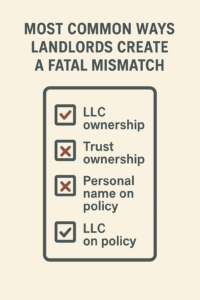
The Most Common Ways Landlords Create a Fatal Mismatch

  • Deeding to an LLC or trust for asset protection/estate planning without updating the policy’s Named Insured (or getting the proper endorsement).
  • Buying a new rental in an LLC but letting the agent write the policy in your personal name “for simplicity.”
  • Relying on a tenant’s policy with yourself listed as loss payee on contents or improvements—but not as an insured on the real property coverage.
  • Trust ownership with only individual names on the policy (or vice versa). After recent California wildfires, some claims were scrutinized or denied when the trust wasn’t listed.
  • Assuming the certificate of insurance equals coverage. It does not. Certificates usually disclaim that they don’t amend the policy.

California Landlord Insurance Basics

  • You must have an insurable interest at the time of loss (California Insurance Code § 280–283). If title sits with your LLC/trust and your policy names you, you may have no insurable interest, and the contract can be void.
  • Transferring the property doesn’t transfer the insurance—coverage is suspended until the same party has both policy and property (§ 305).
  • If you’re not named, you may lack standing to sue for bad faith (e.g., Wexler). That kills leverage in disputed claims.

FAQs From California Landlords

Q: My lender’s name is on the policy. Isn’t that enough?
A: No. The lender is a loss payee/mortgagee (to protect the loan). That doesn’t fix a Named Insured mismatch between your deed and your policy. Graves Dougherty Hearon & Moody

Q: Can I just add the LLC as an Additional Insured and keep the policy in my name?
A: That may still leave gaps (especially for property and loss-of-rents coverages). Best practice is to list the entity on title as the Named Insured and then add other parties by endorsement as appropriate. IRMI

Q: We moved the home into a trust for estate planning. Do we really need to change the policy?
A: Yes—update it so the trust/trustee is clearly insured. Trust-titled homes with policies still in individual names have faced extra scrutiny or denials after large fires in California. Property Insurance Coverage Law Blog

Q: Certificates of insurance show me as “additional… something.” Isn’t that good?
A: A certificate does not amend coverage. You need the endorsement attached to the policy. Courts repeatedly treat certificates as informational only.

Final Word

Don’t wait until a claim or lawsuit exposes the gap. The wrong name on your policy could leave you completely uncovered when you need protection the most. Take five minutes today—pull out your deed and your insurance declarations page. If the names don’t match exactly, call your agent right now and get it fixed. MAKE SURE YOUR AGENT IS QUALIFIED TO KNOW WHAT YOU NEED. One simple review today could save you from tens of thousands in uncovered losses tomorrow.

Insurance Title Mismatch

My mission has always been to protect our clients and their investments as if they were our own. Over the years, we’ve seen landlords lose everything from rental income to legal protection—not because of a fire, lawsuit, or resident dispute, but because their insurance policy was written under the wrong name.

I can’t stress this enough: please take a few minutes today to review your policy alongside your property deed. If the names don’t match exactly, pick up the phone and call your insurance agent immediately.

This one small step could be the difference between peace of mind and a devastating financial setback.

We’re here to help guide you through this process and answer any questions you may have. Protecting your rental assets starts with making sure the right name is on the right policy. Don’t wait until a claim comes—by then, it’s too late.

Call us if you need a qualified Insurance agent.


By |2026-04-03T06:08:23-07:00August 28, 2025|Landlord Education|Comments Off on “Title vs. Policy”: Why Your Named Insured Must Match Who Holds Title (and How Landlords Lose When It Doesn’t)

Service Animals & ESAs vs. Insurance Companies: What Prevails When the Animal Is a Restricted Breed?

As a property management company, one of the most common questions we get from landlords is:

          “If my insurance policy restricts certain dog breeds, can I deny a resident’s
          emotional support animal or service dog if it falls under that list?”

It’s a critical question, and the answer is one that every landlord needs to understand clearly. On one hand, insurance carriers often impose restrictions on certain dog breeds due to liability concerns. On the other hand, federal housing and disability laws require landlords to make accommodations for residents with disabilities, including those with emotional support animals (ESAs) and service animals.

I will break down the legal obligations, explain how insurance limitations interact with federal law, and outline the steps landlords must take to remain compliant while also protecting themselves and their property.

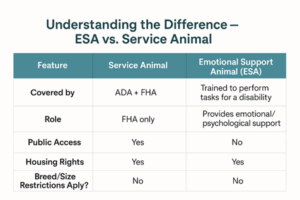
Federal law treats these animals in a very different manner. Service animals have broader protections, including access to public places and stronger legal enforcement. However, both are protected under the Fair Housing Act when it comes to rental housing.

Federal Law Overrides Breed Restrictions

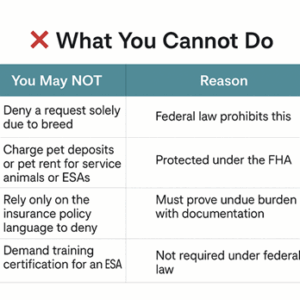
Whether it’s a pit bull, Rottweiler, or German Shepherd, the Fair Housing Act prohibits landlords from applying breed, size, or weight restrictions to service animals or ESAs. The Department of Housing and Urban Development (HUD) and the Department of Justice (DOJ) are very clear:

          Landlords must evaluate accommodation requests individually and may not rely on
          insurance breed restrictions alone to deny them.

Why Insurers Restrict Certain Breeds

There’s no question that dog-related liability is a real financial concern. Here are key stats from the Insurance Information Institute:

  • 22,658 dog bite-related claims were filed with U.S. insurance companies in 2024—a 19% increase from 2023.
  • $1.57 billion was paid out in 2024, representing a 41% increase from the previous year.
  • The average cost per claim was $69,272, up 18% year over year.

  • Over 4.5 million Americans are bitten by dogs annually, with 800,000 requiring medical care.

These rising numbers explain why many insurance policies list “dangerous breeds.” But even with this data, federal housing and disability law still take priority.

What Landlords Must Do When Faced With a Restricted Breed

If a resident’s ESA or service animal is a restricted breed under your current insurance policy, here’s what you’re legally required to do:

  1. Request written documentation from your insurance carrier showing the policy restriction and any denial of coverage.
  2. Obtain quotes from other insurers—show that you explored alternative carriers who might insure the property despite the animal.
  3. Document all communications—including dates, names, quotes, and correspondence.

Unless you can prove that accommodating the animal would cause an undue financial or administrative burden, you must allow the animal, even if it’s a restricted breed.

New Legal Precedent — Chhang v. West Coast USA Properties (Feb 2025)

In a recent federal case, a landlord denied a resident’s request to keep a pit bull as an ESA, citing the advice of their insurance broker. However, the resident sued for housing discrimination under the FHA.

The court ruled:

  • Insurance breed restrictions cannot automatically justify denying an ESA.
  • The landlord failed to show they had verified the actual policy terms.
  • The case was allowed to proceed, reinforcing the resident’s right to be reasonably accommodated.

Key takeaway: Even insurance brokers can be held accountable for misrepresenting policy terms. Landlords must validate everything in writing before taking action.

What About Service Animals and Insurance Conflicts?

If the animal is a service dog, the legal protections are even stronger.

          An insurance company generally cannot deny coverage simply because the service
          animal is a restricted breed.

Under the Americans with Disabilities Act (ADA) and the FHA, service animals must be accommodated without regard to breed or size restrictions.

As a landlord:

  • You must allow the service animal, regardless of insurance policy restrictions.
  • If your insurer refuses to cover your property because of the breed, you are still required to:
    1. Get the denial in writing,
    2. Seek quotes from other providers,
    3. Document all efforts to secure compliant insurance coverage.

Only if you can show that no reasonable insurance option is available may you potentially deny the request, and even then, this is a high legal bar to meet.

What You Can Do

To stay protected and compliant:

  • Require valid documentation for ESAs and a verbal or written explanation of a service animal’s function (only if the disability is not obvious).
  • Require renter’s insurance with animal liability coverage.
  • Use a written ESA/service animal agreement outlining behavior expectations, cleaning, and care standards.
  • Monitor animal behavior and document any issues (e.g., aggression, damage, nuisance).

Your Action Plan

1. Review your current insurance policy’s breed restrictions.

2. Ensure that any denial of coverage is in writing.

3. Proactively identify insurers who accommodate restricted-breed ESAs/service animals.

4. Set up an internal process to evaluate and document ESA and service animal requests.

5. Consult us before taking any action that may result in denial—we’re here to help.

Final Word

Federal law is clear: Disability accommodations take precedence over insurance policy restrictions. As a landlord, the best protection comes from:

  • Understanding the law,
  • Documenting every step,
  • And treating each case individually,
  • Use a third-party company, such as Petscreening.com, to verify the legitimacy of an ESA or service animal. There’s so much fraud that it’s difficult for the landlord to determine if the documents are authentic.

Don’t let misinformation or assumptions expose you to liability. With our team by your side, you’ll stay compliant and confident. Contact us today for expert guidance and peace of mind—because when it comes to fair housing, getting it right matters.

By |2025-07-24T11:57:56-07:00July 24, 2025|Landlord Education, Property Ownership, Resident Education|Comments Off on Service Animals & ESAs vs. Insurance Companies: What Prevails When the Animal Is a Restricted Breed?
Go to Top