Orange County (949) 721-6608 – Riverside County (951) 735-2000

Management One

Orange County (949) 721-6608
Riverside County (951) 735-2000

Management One

Emotional Support Vs Service Animal: What’s the Difference

Pets play a special role in our lives, but it can get slightly confusing when discussing emotional support animals (ESAs) and service animals. Did you know that even a tiny horse can be a service animal? Both ESAs and service animals offer emotional support, but they’re not exactly twins. To find the right furry friend for you, it’s essential to know their differences. So, let’s journey to understand the distinctions between ESAs and service animals. We’ll guide you through the key differences, helping you choose the perfect companion tailored to your needs.

Function

It’s common for folks to mix up emotional support animals (ESAs) and service dogs, but these two categories have distinct roles. Think of it this way: a service dog, or any creature wearing the service animal cape, is like a superhero in training. They’ve got a crucial job to do, helping owners with physical, intellectual, or emotional challenges by performing specific tasks. Conversely, an emotional support animal is more like a trusted sidekick, offering unwavering companionship. While both can provide comfort, a service animal has special skills and training to accomplish specific tasks that an emotional support animal won’t tackle. So, it’s a bit like comparing a superhero in training to a loyal buddy when you’re exploring these two remarkable roles.

Protection

Service dogs and emotional support animals (ESAs) each have distinct roles, and these roles come with different legal protections. Service dogs are like highly trained assistants for their owners, aiding with physical tasks. The Americans with Disabilities Act (ADA) provides strong legal safeguards for service dogs. They have nearly universal access, meaning they can accompany their owners to most places without being denied.

On the other hand, emotional support animals don’t enjoy the same legal privileges. While they provide vital emotional comfort, their access rights are limited. Legal protection of an emotional support animal is limited to housing and air travel, but businesses can decide whether to allow them inside. So, it’s important to check with establishments if you plan to bring your emotional support animal along. Knowing the distinctions between these two types of assistance animals can help you navigate their different rights and access.

According to the National Service Animal Registry, the Fair Housing Amendments Act of 1988 states that “Landlords and property managers are required to allow a service animal or Emotional Support Animal to live with their owner even in properties where pets are otherwise not allowed, and they cannot charge an additional fee.”

If your landlord has a policy allowing only cats, and your service animal or Emotional Support Animal is a dog, they must still permit your dog to live with you. Additionally, they cannot discriminate based on the size or breed of the animal.

Also, landlords and property managers must provide reasonable accommodation for your service animals. If they don’t, they violate Federal Law.

Landlords Cannot Legally:

  • Ask a tenant to pay a deposit, fee, or surcharge in exchange for having an emotional support animal, even if they require such a practice from owners who wish to obtain pets in their dwelling.
  • Require that an emotional support animal has any specific training.
  • Require the emotional support animal to wear or carry any special collar, harness, vest, emblem, or other means of identifying it as such.
  • Inquire about the extent of the disability or ask for detailed medical records for the individual requesting the emotional support animal.
  • Refuse to accommodate you and your animal because their insurance policy won’t allow a species, breed, or weight. They are still subject to the law.


Certification

Regarding support animals, their roles are as diverse as their certifications. Service dogs, those true superheroes of the animal world, undergo intensive training to provide invaluable assistance to people with disabilities. They are carefully matched with their owners by service dog agencies, creating a special partnership.

In contrast, emotional support animals (ESAs) have a broader entry ticket. While service dogs require specialized training, ESAs can be your beloved pet, offering emotional comfort. To obtain certification for an ESA, individuals must have a diagnosed disability, as confirmed by a doctor or mental health professional. This assessment is followed by a letter describing how the animal provides comfort and support.

Registering your pet as an ESA is not a legal requirement, but it serves as a practical step. It not only lends official recognition to your furry companion but also eases the challenges you might face when traveling with them. The National Service Animal Registry aims to simplify the lives of those with disabilities who rely on ESAs in public settings, making the journey smoother and more accommodating for everyone involved.

Differentiating Your Support Dog

Ensuring people recognize your support animal is key to ensuring a smooth experience in public spaces. While service dogs often wear identifying vests, it’s not a strict requirement, but it’s incredibly helpful. These special vests signal to others that the dog is on official duty as a service animal, reducing the likelihood of access denial.

For emotional support animals (ESAs), carrying a medical letter is a wise move. This document proves that your animal is a support companion, ready to provide comfort and emotional assistance. It’s your golden ticket to help others understand your furry friend’s role.

To navigate the world of public spaces with your service dog, the ADA National Network can be a valuable resource. They offer insights into where your service dog is legally allowed, ensuring that you and your furry helper can access the assistance you need without hassle.

Different Rules for Service Dogs and Emotional Support Animals

In the world of support animals, knowing the rules can make all the difference in ensuring a seamless and comfortable experience. Whether you’re the owner of a service dog or an ESA, there’s a wealth of information on several websites, resources, and supportive communities to help you navigate the nuances of these special companions and their rights. To name, we have the Service Animal Resource HubWhat Does The Fair Housing Act Say About Emotional Support Animals?, and Frequently Asked Questions about Service Animals and the ADA.

One standout resource that’s incredibly useful for both tenants and landlords is Fair Housing. It provides essential information on the rights and responsibilities of individuals when it comes to supporting animals in housing situations. So, if you’re ever in doubt or need some clarity, remember, you’re not alone—there are resources and communities ready to lend a hand in making your life with your beloved support animal all the more enjoyable.

Learn about the Pros and Cons of Renting to Tenants with Pets.

Featured image with text: "Renting to Tenants with Pets: Pros and Cons"

By |2023-10-27T12:00:33-07:00October 27, 2023|Landlord Education|Comments Off on Emotional Support Vs Service Animal: What’s the Difference

How to Identify Pet Damage in Your Rental Property

This isn’t a topic that comes up every day, but it does come up often enough that it’s worth discussing: how to recognize pet-related damage in a rental property. At first glance, it may seem fairly straightforward—after all, pet damage should be easy to spot, right? In some cases, yes. But in reality, it’s not always as obvious as you might think.
Picture this:
You walk into a home for a routine inspection or turnover, and immediately something hits you—not physically, but olfactorily. That unmistakable smell that makes your nose wrinkle and your breathing go shallow. If you’ve ever dealt with pet damage before, you already know: it’s

During my time as a property inspector, I’ve walked through hundreds of homes and encountered all kinds of pet-related damage. Sometimes, it’s obvious—the kind that practically announces itself the moment you step through the door. Other times, it’s more subtle, hidden beneath the surface, and requires a bit of investigation to uncover.

Common Types of Pet Damage You Might Encounter:

  • Urine stains and odors – These are usually the most noticeable, especially on carpets. The smell can linger if not properly cleaned.

  • Scratched walls, doors, and door frames – Pets often scratch or bite when trying to get through closed doors.
  • Torn window screens and blinds – Pets like to look outside, and sometimes they leave behind damage around windows.
  • Ripped carpet or damaged flooring – Scratching, digging, or accidents can cause visible wear on carpets and floors.
  • Chewed fences – In backyards, dogs may chew or dig around fences if left alone for long periods.
  • Water damage – Not as common, but it happens. (My cat has turned on faucets before—lesson learned!)

Some damage is obvious, but other issues require a closer look. Knowing what to watch for helps you catch problems early and maintain your rental home.


Urine and Poo Damage

Urine stains and odors are usually easy to spot in a vacant home, but not always. I once inspected a property where the tenants had hired two carpet cleaners. The home smelled like a mix of rose, cinnamon, and kennel. However, the odor returned quickly. The problem? The urine had soaked into the padding and subfloor.

In cases like this, surface cleaning won’t work. The only fix is to remove the carpet and padding, then treat or seal the subfloor with products like Natures Miracle or Kilz.

Damaged Walls

Damage to walls, doors, and door jambs is usually easy to spot. But when it’s widespread throughout the home, it’s important to carefully document and photograph each instance. I’ve seen cases where anxious dogs left alone for long periods clawed through entire sections of drywall.

Cats tend to cause damage of their type, often around windows. Blinds in their way are quickly shredded, and screens may be torn or bent from repeated use as a perch. Dogs can be just as rough, especially around windows and doors.

From ripped-up carpet to chewed fences, even the most lovable pets can cause serious wear and tear. And while many fences can hold up for a while, few stand a chance against a strong, determined dog—unless, of course, it’s a brick wall.

Pet Damage Varies

Most dog damage, for example, is easy to spot. Or smell. Dogs tend to cause urine damage, door/wall scratches, and torn-up carpet, as mentioned above, particularly at exit doors, and bedroom doors.

Cats are a little more complicated, but you’ll find torn and punctured window screens, and “going to the bathroom in wrong places” problems, too.

Birds, such as parrots, you’ll find wall pecking, next to where cages are kept. They can easily chip paint off stucco and wood if their cage is too close to a wall. I recently learned this one. Lizards, such as bearded dragons, really don’t damage much, but they do produce a pungent smell from their cages or aquariums.

Aquariums with fish generally only cause damage when an aquarium leaks. Tortoises, though slow and lumbering, can cause more damage than one might think. They can topple weak wood fences; they can shatter sliding glass doors. Their shells can flake paint off the exterior of the house as they tromp past. This I know from personal experience.

Eyes, Ears, Nose

The subtitle items, above, are in no order. However, what you see is, in most cases, the most important. If you can see it, you can photograph it. Simple as that.

Eyes

Check for signs of urine and droppings, both inside and outside the property.

Outdoor male dogs, in particular, tend to urinate on air conditioning condenser units—the large metal boxes that sit next to the house. If your property has a roof-mounted unit, you don’t need to worry much about this, as it would be unusual for a dog to reach that height.

However, if the unit is ground-level, this behavior can cause significant damage. The urine can corrode the aluminum tubing, leading to coolant leaks that are not repairable. When inspecting, look for discoloration on the aluminum fins and pitting on the tubing.

People often forget about dog toys, food dishes, bags of dog food, and puppy pads when vacating a property. Additionally, backyard droppings are frequently overlooked. Be sure to look for these signs when inspecting the yard. Paw prints are especially telling—dogs typically don’t wander into random homes and leave tracks behind.

Inside, pay attention to torn-up carpet and flooring. Check all surfaces for scratches or worn paint on the bottoms of interior doors and jambs, as well as on exterior doors. Sliding glass doors, both inside and out, can also show signs of damage from pets. Don’t forget to inspect window jambs for scratches—Fido loves looking outside, and it shows!


Nose

You might think that smell is the most effective way to detect an unauthorized pet, and residents often think the same. When I arrive at a property for an annual inspection and it’s dark, my alert level automatically rises. Scented candles burning? A pot of potpourri on the counter? All of the above? There’s about a 90% chance there’s a pet nearby. The goal here is clear: to mask any signs of a pet from both sight and smell.


This is when you need to step up your game and take a more thorough approach.

Ears

It’s simple: Ring the doorbell, and if there are pets inside, your other senses will quickly take over.

The Spot Check

Whenever you’re conducting a spot check—assuming you have an appointment—arrive about 30 minutes early. This simple step has helped me uncover more unauthorized pets than any other method I’ve tried.

In one case, while completing paperwork from a prior inspection down the street, I observed a young child exit the appointment property with a small dog on a leash. They walked to a car parked across the street, got into the back seat, and quickly slouched down. I waited an additional 20 minutes, but no one else joined them.

When I arrived at the property at the scheduled time, there were no visible signs of a pet—no toys, no droppings, no odor, and no damage. At the end of the visit, I asked the resident about their dog. Their reaction was immediate—denial and indignation. They insisted they didn’t have a dog or a child, claimed that the car wasn’t theirs, and even denied that a car was parked out there at all.

I calmly informed them that I would include all observations in my report. Sometimes, direct evidence isn’t indoors—it’s about being observant and arriving just a little early.

Black Light

One tool we’ve recently added to our inspections is a blacklight flashlight—and it’s proven to be incredibly helpful in identifying pet-related damage. Interestingly, it doesn’t just reveal pet stains; it also highlights traces of bodily fluids that might otherwise go unnoticed.
Now, before anyone gets squeamish, here’s some perspective: that bathroom in your home may look spotless under regular lighting, but once you shine a blacklight on it, you’ll likely be surprised by what it reveals. It’s not about being alarming—it’s about being thorough. This tool provides a clearer picture of the property’s condition, helping to ensure that nothing is overlooked. You can purchase a Black Light UV Flashlight pretty reasonably online.

When using a blacklight to inspect for messes, be sure to wear blue-blocking sunglasses—this enhances visibility and makes it easier to spot what you’re looking for. And here’s the key takeaway: if you can see it, you can photograph it. And if you can photograph it, you can document and prove it.

surprised old man taking off and on his glasses

Some residents are sneaky

Years ago, before my time with Management One, I began noticing patterns I hadn’t paid much attention to before—specifically, clear signs of pet damage in bank-owned properties. It made sense; when people vacate a home under stressful circumstances, like foreclosure, pet damage often gets overlooked or ignored. In those cases, the job was straightforward: document the damage and report it.

Insurance inspections brought a slightly different challenge. When pet damage was discovered, it wasn’t just about documenting—it meant asking the current occupants about the pet, the nature of the damage, and determining whether the animal might be considered aggressive.

Property management brings its own layer of complexity. Much like insurance inspections, residents often attempt to hide unauthorized pets and any resulting damage. But here, the stakes are higher. A hidden pet isn’t just a policy violation—it can lead to eviction or financial liability for the resident.

One striking example I came across involved a tenant in Arizona who was fined $500 simply for feeding a stray cat outside. It was considered harboring an animal and a violation of their lease. While that may seem extreme, it highlights the seriousness with which pet-related issues are addressed in rental housing.

Pets, Pets, Galore….

Pets are a beloved part of the family for many people, sometimes even more so than relatives. In fact, as of 2023, an estimated 145.9 million U.S. households own at least one pet. With so many renters being pet owners, landlords and property managers need to understand both the rewards and the potential risks that come with allowing animals in rental homes.  From this, 65.1 million US Households own a dog. Did you also know that a staggering 72% of renters have pets?

While most residents do their best to maintain a clean, damage-free space, pets can still leave behind wear and tear—some of it easy to see, and some not. That’s why it’s important to have clear policies in place and take proactive steps to protect your property.

Want to understand how Emotional Support Animals differ from Service Animals—and what that means for your rental policies? Click here to learn more.

    Split image of a service dog on the left and a kitten on the rightEmotional Support Vs Service Animal: What’s the Difference

By |2023-10-05T12:23:23-07:00October 5, 2023|Landlord Education, Property Ownership|Comments Off on How to Identify Pet Damage in Your Rental Property

Renting to Tenants with Pets: Pros and Cons

Chances are, you’ve been receiving those all-important calls from potential tenants, eagerly inquiring about the pet policy for your property. The recent APPA National Pet Owners Survey revealed that 66% of American households own a pet. Among this furry and feathered majority, a staggering 45% are dogs.

Drawing from my extensive 35+ years in the property management game, I can vouch that most residents I’ve crossed paths with are proud pet parents. Here’s a nugget of wisdom: Properties that extend a warm welcome to pets tend to snap up tenants twice as fast as their pet-restricted counterparts.

Here’s the million-dollar query: Are pets a part of your property’s inner circle? And if so, what’s the scoop on pet-related charges? Don’t leave prospective tenants guessing – let’s uncover your pet policy together!

Consider this

In renting, landlords and homeowners can grant or deny entry to our furry, feathery, or even scaly friends. But hold on to your leashes! This tale has a twist: service animals, companions, and emotional support animals are the exception to the rule.

As you ponder the great pet policy debate for your rental haven, here’s some food for thought:

1. Pets are Prevalent: 66% of households have pets, so you’re in good company.
2. Renter’s Best Friends72% of renters have pets or come with their beloved companions.
3. Pick Your Pack: You get to choose which types of pets are welcome and set the limit.
4. Size Matters: Breed and size specifications? That’s your call.
5. In or Out: Decide if you allow outdoor only or both indoor and outdoor.
6. Money Talks: You can charge deposits, monthly fees, and even demand renter’s insurance.
7. Pet Perks: Remember that sweet pet rent option.

Vacancy Time

Imagine this scenario: you’re the proud owner of an investment property, pondering whether to welcome these furry friends or keep the doors closed warmly. Well, here’s a hard-hitting truth: If you opt for a strict “no pets allowed” policy, you’re slashing your potential tenant pool in half, doubling your vacancy woes. Why? Because a whopping 72% of renters share their lives with pets, and by turning them away, you’re saying goodbye to nearly three-quarters of the rental market. That’s a surefire recipe for extended vacancies, and that’s no joke.

Let’s break it down: The typical property stays on the market for 14-30 days. But if you bar pets, be prepared for a grueling 30-60 days (or more) vacancy. Crunch the numbers, and you’re looking at an extra $3,000 in lost income compared to a pet-friendly landlord. Here’s the kicker: In our experience at Management One, where we’ve leased over 10,000 homes, most pet-related damages are a drop in the bucket—typically under $1,000. So, why miss out on this untapped market?

Small Dogs, Big Dogs, Bad Breeds, Good Breeds

As the landlord, you can determine which furry companions will grace your abode. It all begins with the question of breeds. Here’s an insightful tip: Many insurance policies often draw the line at so-called “vicious” breeds, making it an intelligent starting point for your pet policy. And guess what? Most property management companies are right on board with these guidelines.

But that’s not all. You’re also the master of sizing things up. Yep, you get to set the bar for the size of the dogs allowed on your rental turf. It’s quite common to slap a weight limit on the pets permitted in your rental property. Consider it this way: A large dog might not be best if your property is cozy or confined. However, if you have a sprawling backyard, you might have room to accommodate that big, bouncy pup. Size matters, and you’re the one calling the shots.

How many are too many?

The answer to this puzzle lies in the dimensions of your home and the expanse of your yard. If your home is small, one pet may be the sweet spot, ensuring ample space for both furry friends and humans to coexist harmoniously. But if your home is extensive or you have a large yard, you might just have room in your heart for more four-legged pals.

Regarding the official tally, it’s usually a duo of pets—specifically, cats and dogs—that get the green light. The catch? Fish and reptiles often fly under the radar and aren’t included in this count. And guess what? Most management companies adhere to the “two pets per property” guideline, ensuring a balance between creature comforts and landlord peace of mind.

Outdoor Only or Indoor/Outdoor

In the early days of advocating for pet-friendly properties, we initially had a strict “no indoor pets” policy. However, we soon discovered that despite our best intentions, 90% of residents couldn’t resist bringing their furry friends indoors, rendering our policy somewhat futile.

To tackle this challenge head-on, we made some strategic policy adjustments. This included introducing a monthly pet rent and a slightly higher fee for indoor pets. Hang tight because we’ll delve deeper into the details of fees and deposits shortly. These changes helped us embrace the pet-loving community and ensured that our policies aligned more closely with the real-world preferences of our residents.

Deposits and Monthly Fees

It’s true that pets can occasionally cause property damage and might pose inconveniences to neighbors. However, let’s not overlook the fact that permitting pets in a rental property can open the door to higher rental income for owners, property managers, and landlords.

The real question is how to proceed: Do you opt for a deposit, a monthly fee, or perhaps both? The crucial distinction lies in refundability—deposits can be returned, while fees cannot. It’s worth noting that some might label the pet deposit as non-refundable.

Here’s where it gets tricky: State laws can throw a wrench into your plans, as they vary widely. It’s essential to consult your local Fair Housing office to understand the specific regulations in your area. In some states, landlords cannot charge pet-related fees or deposits. However, in states where it’s permissible, you can decide. Typically, the laws might prescribe upper limits on the amounts you can charge, but it’s common to see pet fees or deposits ranging between $250 and $500. So, while navigating these waters, ensure you’re sailing within the legal bounds of your state.

Pet Deposits

When you collect a refundable pet deposit, it’s crucial to know that when your resident moves out, you should refund the deposit if their pet hasn’t caused any damage. Conversely, if pet-related damage is evident, you’ll need to provide the resident with a detailed list of repair expenses. This transparent breakdown reinforces your decision to retain all or part of the pet deposit for necessary repairs. Clarity is key in ensuring a fair process for you and your tenants.

Pet Rent

Let’s dive into the intriguing world of pet-related fees in property management. One such fee, known as “pet rent,” has recently gained traction. You’ll discover that many property managers, landlords, and apartment communities now incorporate a monthly pet rent, typically within the range of $35 to $100 per pet.

Standard practice dictates that property managers and landlords often add this pet rent to the monthly rent, effectively increasing their monthly revenue. But the question remains: Should you also charge a pet fee or deposit? Here’s the scoop: If you choose not to impose a separate pet fee or pet deposit, you can still utilize the security deposit to cover any potential pet-related damages.

You might wonder, “Why bother with pet deposits when security deposits are often more substantial?” Well, the answer lies in the potential magnitude of pet-caused damage. Sometimes, the security deposit alone might not suffice if substantial damage ensues. That’s why some property managers and landlords consolidate all fees into one comprehensive security deposit.

The beauty of this is that property managers and landlords have many options to choose from when it comes to handling pet-related matters. You can opt for one or more of the following:

• Regular Rent
• Additional Monthly Pet Rent
• Security Deposit
• One-time Pet Fee
• Pet Security Deposit

It’s worth noting that you can’t always please everyone. Some residents may grumble about pet-related fees, whether pet rent, a pet deposit, or other associated costs. However, most pet owners are ecstatic to discover a welcoming place that allows them to keep their pets.

Here’s the bottom line: Relying solely on a pet deposit may leave you shortchanged if significant damages exceed the deposit amount. Therefore, opting for a comprehensive deposit to cover all potential damages, regardless of the source – what or who caused the damages, is often the wiser choice. In this ever-changing world of pet-related charges, it’s crucial to strike a balance that meets the needs of both property owners and residents.

Insurance

Before wrapping up, let’s talk about renter’s insurance. It’s smart to recommend that your tenant get this coverage, and here’s why: The costs are budget-friendly, typically running between $10 to $30 per month, and it provides up to $300,000 in coverage. Their renter’s insurance can swoop in to handle the expenses if significant damage occurs.

The pro tip: Make sure your name or the property management company is listed as an additional insured party on the policy. This ensures you’ll be alerted if there’s ever a lapse in coverage. It’s like an added shield of protection, offering you peace of mind and an extra layer of security for your property.

Wrapping it up

Embracing pets in your rental property opens the door to a broader pool of prospective residents, making your property more appealing and competitive. Whether you opt for a pet fee, pet rent, pet deposit, or even decide not to impose any additional charges, welcoming pets fosters a positive and welcoming atmosphere.

This attracts pet-loving tenants and initiates the landlord-resident relationship on a friendly and inclusive note, setting it off to a good start.

Here’s a quick video guide to the Pros Cons of Pets in Your Rental Property:

By |2023-10-02T12:00:28-07:00October 2, 2023|Landlord Education|Comments Off on Renting to Tenants with Pets: Pros and Cons

Landlord Insurance Versus Homeowners Insurance

“I have a Homeowner’s Insurance policy; do I really need a Landlord Policy?” According to Allstate, “Landlord insurance is a policy for someone who rents out a home they own. This type of insurance typically includes two different types of coverage: property and liability protection. Both coverages are intended to help protect you, the landlord, from financial losses.

Over the years of being in the property management business, we find that most landlords don’t really know the difference between a Homeowner’s Insurance policy and a Landlord Insurance policy. Most think there are one in the same and don’t realize there is a difference until they find themselves needing to make a claim and then find out they don’t have the proper coverage.

The most significant difference between the two types of insurance is property coverage; a homeowner’s insurance will cover personal property such as furniture, clothing, computers, Tv’s and yes, even sometimes jewelry as well as the structure and surrounding buildings. Landlords insurance will cover items used to service the rented property along with the property itself. It’s important to note that the Landlord Policy doesn’t cover the tenant’s belongings; thus, they will need to secure a Renter’s Insurance Policy.

In addition to Primary Liability Coverage, there are four essential elements that all Landlord Insurance policies should include. These elements are Malicious Intent, Fire, Loss of Rents, and Vandalism. Check out this great guide with detailed information about these vital items.

Malicious Intent

Malicious Intent happens when the resident renting your home, intentionally damages the property above and beyond “normal wear and tear.” We are talking destroys the carpet to the point it must be replaced, holes in the wall, overall filth, piles of debris left behind, and more. We have seen this happen, and landlords are left scrambling to secure the funds to bring the property back to a rentable condition. This scenario is precisely why it’s important to ensure you have Malicious Intent in your policy. Equally important is ensuring the tenant has Renter’s Insurance so you can recoup the cost from their policy and not affect your premiums. YES, this coverage enables you to sleep at night. The best part is most of the insurance companies don’t charge extra for it.

Fire

Your fire policy will rebuild part or all your property only, so this is pretty straight forward.

Loss of Use 

Now, let’s start thinking like an investor; you are all investors if you own a rental property. Your business is to make money with an investment/rental property! But what happens if the property burns down, which happens, or the tenant cause so much damage to the house and it will take six months to be fully repaired. You still have a mortgage to pay, right? That payment doesn’t stop just because the home is vacant or in distress. Don’t worry! If you have Loss of Rents or Loss of USE coverage, in your landlord’s insurance, you may sleep like a baby because you don’t have anything to worry about. Loss of rent or in some cases, called Loss of Use will cover up to 12 months of the rental income! Some companies include this coverage in your policy for no additional fees while others charge for it, but… IT IS WORTH IT! It might be a few more bucks a month but, how much is your peace of mind worth?

Vandalism

Let say you are about to rent out the property and a few days before your tenant moves in someone breaks in, and the property gets vandalized! Again, homeowner’s insurance might not cover you! But, the landlord’s insurance will! However, once your property is vacant for more than 30 days your insurance will not cover you so always get a 60-day vacancy policy. One Air Conditioning unit could cost you $4,000 or more. You can activate your vandalism and loss of rent coverage in this case!

Something important to mention is that some mortgage companies request you to have homeowner’s insurance while you have an active loan with them! Be sure to ask them if this is the case before canceling your homeowner’s coverage and getting landlords insurance. 

Liability

Though not listed out in the top four items, liability is the primary focus of the insurance policy. After all, why have a policy if it doesn’t provide basic liability coverage. You may consider increasing the liability coverage if your property has a pool or spa since those are added risks, whether you own the home or are renting the house. For example, your tenant has a small soiree, and a kid gets injured because he was running around the pool! We all know, unfortunately, the first thing that comes to some people’s minds is… LAWSUIT! Well, again, here is where you may be able to use your landlord’s insurance liability coverage since this helps you pay for your expenses if you are found legally responsible after someone is injured on your property or if you are required to pay for damage done to someone else’s property.

Want to save some money in your landlord’s insurance? Make sure you DEMAND your tenant to have renter’s insurance! Many owners do not know that if you provide a copy of your tenant’s renter’s insurance declaration page, you may receive a discount.

Ready to sign up for your Landlord Insurance Policy, start by checking with your Insurance company to see if they provide such a policy; after all, you may get a discount for having multiple policies. You can also check out our blog on the Top 5 Landlord Insurance companies by clicking the image below or if you like, contact Management One we can refer you to a couple of top insurance companies.

Kristan Pennington

By |2023-09-28T10:00:00-07:00September 28, 2023|Landlord Education, Property Ownership|0 Comments

Top Landlord Insurance Companies in Riverside & Orange Counties

Are you a novice landlord, ready to dip your toes into property rental? According to Investopedia on A Quick Guide to Landlord Insurance, “Rookie landlords, renting out a residential property (house, vacation cottage, apartment), may assume that their Homeowners Insurance will cover all the costs in the case of a natural disaster, accident or other damaging events”. Before you dive in headfirst, let’s clear up a common misconception about “Homeowners Insurance.” What Is Homeowners Insurance and How Does It Work? Contrary to what you might believe, your trusty Homeowners Insurance won’t come to the rescue when disaster strikes your rental property. So, let’s navigate these uncharted waters together!

Today, we’re about to embark on a thrilling journey, unveiling the Top 5 Insurance Titans that offer Landlord Insurance. Hold onto your hats because this isn’t your ordinary insurance talk – we’re diving deep into cost-efficiency and customer service, making this an adventure worth embarking on. You might be tempted to think, “Insurance is insurance, right? Why sweat the small stuff?” Well, my friend, it’s time to debunk that myth. ABC Company and XYZ Company may seem like distant cousins, but the subtle differences set them apart.

Imagine securing your valuable investment for under $8.00 daily or roughly $2,700 annually. That’s less than your daily latte habit! We’re discussing safeguarding the most substantial asset in your life, so why settle for mediocrity when excellence is within reach? Prepare to make an informed choice that will protect your property and your dreams.

Cost matters, but here’s the plot twist: customer service can be the real game-changer! Think of it as your insurance superhero, ready to swoop in when disaster strikes. I’ve donned my detective hat to investigate everything, from the red-carpet treatment on the phone to those oh-so-sweet discounts. I’ve considered it all.

Imagine your property is in peril, and you need a lifeline. You want a company that’ll be your rock when it counts. That’s why we’re diving deep into this mission – ensuring that you get the royal treatment when you need it most.

Remember when I felt like a famous author when I wrote about “Landlord Insurance vs. Homeowner’s Insurance“? Well, grab your reading glasses and let’s dive back into that insurance saga with a whole lot of zest and wisdom!

Picture this: you’re at a crossroads, deciding between homeowners and landlord insurance. The grand showdown? Property coverage. Homeowners insurance swoops in to save your personal treasures – the couch, clothes, even your beloved TV (and sometimes even the bling!). But landlord insurance? The unsung hero shielding the gear keeps your rental property running. Here’s the kicker: Homeowners Insurance can be a bit of a splurge because it throws in content coverage (furniture, etc.) you don’t need. Tenants have their renter’s policy to cover those bases, you see. So why pay for what you don’t use?

Before you search for the perfect insurance policy, let’s talk essentials. We’re talking fire, loss of rent or use, malicious intent, and vandalism – the MVPs of your landlord policy. These bad boys are your trusty sidekicks, ensuring that your rental property remains a fortress of protection.

So, buckle up whether you’re a property pro or just began dipping your toes into the landlord waters. We unravel the Top Landlord Insurance Companies in Riverside County who will safeguard your property – they are the true insurance maestros!

AAA

AAA has been serving Southern California since 1900! Founded by visionary businessmen and professionals, they spent over a century providing its members various services designed to make life easier and more enjoyable.

Over the years, its offerings expanded to include membership benefits, insurance, travel services, discounts, financial solutions, and automotive services. At AAA, it’s all about convenience. AAA continually pushes the boundaries to serve you better. Whether you prefer getting a quick quote online, calling their friendly customer service team, or visiting one of their local offices, they are always ready to assist you. Plus, they have fantastic bundle discounts of up to 20% when you combine your home and auto policies, making it even more affordable to safeguard what’s important to you.

Stay connected with them on Facebook, Instagram, Twitter, LinkedIn, and YouTube for updates. Experience the benefits of being part of a century-old tradition of excellence and service with AAA!

Foremost Insurance

Foremost Insurance is your trusted partner for all your insurance needs! As a proud Farmers Insurance Company family member, they’ve been a cornerstone of the insurance industry since 1952. Its headquarters is in Caledonia, Michigan.

As a one-stop destination for personal lines insurance, offering Property Insurance, Auto Insurance, Recreational Vehicle Insurance, Motorcycle Insurance, and top-notch Casualty programs – they have comprehensive insurance solutions to protect what matters most to you. Because every individual is unique, they provide flexible payment plans and a wide range of discounts to tailor your coverage to your needs.What sets them apart? Every policy with Foremost includes 24/7 claim service, and they’re here for you when you need them the most. Plus, Foremost Insurance is just a click away on social media. Follow them on Facebook, Instagram, Twitter, LinkedIn, and YouTube Channel to stay updated and engaged with their vibrant online community.

Safeco Insurance

Safeco Insurance is your gateway to worry-free living! With Headquarters in Boston, Massachusetts, they are a proud part of Liberty Mutual Insurance, a Fortune 100 company and one of the nation’s top personal lines insurers, they got you covered, so you can embrace life with confidence and peace of mind.

At Safeco Insurance, they believe in simplifying insurance, making it effortless for you to enjoy every moment. Safeco Insurance provides the coverage you need for the life you want, whether it’s Auto, Home, Motorcycle, or Boat and Watercraft insurance. And guess what? You can save big by bundling your auto and home coverage with Safeco Insurance.

Safeco exclusively works with independent agents who offer you not just insurance but ease, choice, and invaluable advice. You can also connect with Safeco Insurance on Facebook, Instagram, Twitter, and LinkedIn for more information about their services. Grab great coverage at a great price with Safeco Insurance, and get out there and live your life knowing a trustworthy company backs you.

Travelers

Travelers is your reliable shield against life’s uncertainties! For over 165 years, they’ve earned the reputation as a top property casualty insurer, protecting the most valuable assets – your home, car, valuables, and business. Travelers offer comprehensive insurance solutions for both individuals and businesses, covering a wide range of industries. At Travelers, you can bundle and save, whether Auto + Home, Auto + Condo, or Auto + Renters, making your insurance experience seamless and cost-effective.

Founded in 1864 by James G. Batterson in Hartford, Travelers evolved through mergers, becoming The Travelers Companies, Inc. in 2007. Its commitment to excellence has garnered numerous awards and recognitions, including a place on the Fortune 500 list, World’s Most Admired Companies list, and America’s Most JUST Companies list.

Stay informed about Travelers on Facebook, Instagram, Twitter, LinkedIn, and YouTube. Travelers isn’t just insurance; it’s the right insurance for you, providing security and assurance in life’s journey.

Nationwide

Nationwide’s story began as a small mutual auto insurance company in Ohio, owned by hardworking policyholders who spent their days farming. Today, Nationwide has grown into one of the world’s largest insurance companies, with a legacy spanning more than 90 years.

As a Fortune 100 company, Nationwide offers comprehensive insurance and financial services to protect what is most essential to you. They cover everything from car and motorcycle insurance to homeowners, pet, farm, life, and commercial coverage. But its commitment goes beyond insurance – it also provides annuities, mutual funds, retirement plans, and specialty health services.

Nationwide is proud to serve communities with its headquarters in Columbus, Ohio. With its easy-to-use mobile app, you can access 24/7 support, pay bills, and access policy documents and ID cards at your convenience. Catch them on social media as they protect people, businesses, and futures.

Before you finally embark on your insurance journey, remember the Fantastic Four: Fire, Vandalism, Malicious Intent, and Loss of Rent or Use. These are your insurance superheroes, the guardians of your rental property’s peace and security.

But here’s the pro tip: flip to the end of that policy document and dive into the exclusions section. Knowledge is power, my friends! Knowing what you don’t have in coverage can be just as crucial as understanding what you do. It’s like reading the thrilling twist at the end of a novel – you wouldn’t skip it, would you?

So, whether you’re a seasoned property pro or a rookie landlord, make these steps part of your insurance checklist. Stay informed, stay protected, and may your rental property journey be smooth sailing from here on out!

By |2023-09-22T13:25:03-07:00September 22, 2023|Landlord Education, Property Ownership|Comments Off on Top Landlord Insurance Companies in Riverside & Orange Counties

How Much Does a Tenant Eviction Cost? A Detailed Breakdown

People ask us this all the time, “My tenant has not paid rent, now what do I do? How much does it cost to file an eviction on my tenant? My short answer is, the cost depends on the County in which the rental property is located. The long answer is, “the cost is more than just the actual cost to file the eviction.”

Let me share with you what we found over the last 30 years of being in property management.

Landlords Give the Tenant Too Many Second Chances

You might be asking yourself, how does this factor into the “cost of an eviction?” Landlords tend to be more “kind-hearted” when it comes to tenants and paying rent. We often hear landlords say:

  • “I just felt bad for them; four kids, a dog, and the father lost his job.”
  • “We couldn’t bring ourselves to evict them. Where would they live?”
  • “Now they are two months behind on their rent and my mortgage is due again.”
  • “I just need them out”.

Let me share with you a scenario we had last month:

A landlord, Mark, had rented his home in Corona, CA to a tenant for $2,000 a month. Mark is a bank manager and earns about $61k a year, or about $127 a day. He called our office last month and was just in the process of starting the eviction process with his tenant. And yes, he let the tenant not pay rent for two months.

If he had hired a professional management company from the get-go, he would have discovered that professional management companies tend to not be so “kind-hearted.” Rent is normally due on the 1st of the month, there’s a three to five day grace period, then the three-day notice is posted.

If the tenant still has not paid, evictions will be filled.

Time is money.

Management companies are not heartless by any means, but at the end of the day, once a tenant gets a month behind on the rent, it is awfully hard to come back from that.

How Much Does a Tenant Eviction Cost? A Detailed Breakdown

Cost of Filing

The cost to file an eviction depends on the County in which the property is located. Here in Riverside County California, the cost to file an eviction is over $900. Ouch, that’s a hit…. And this is for the Basic Eviction only. A Basic Eviction includes filing the paperwork with the court…and that’s it. It doesn’t include the cost of preparing the three-day notice, which is an additional expense, ranging from $80-$100. This is a critical part of the process; if the wrong notice is posted, or if the form is filled out incorrectly, it will cost you another month’s rent.

If the tenant files bankruptcy, you’re looking at another expense starting at $800 in additional court costs (this opens a whole other can of worms) and another 30 to 45-day delay while the bankruptcy is processed…so another month’s rent. Now you are looking at $1800 minimum in court costs alone. Not to mention all the rent you are missing out on.

Evictions Handled By Professionals

We have found that when an eviction is handled by a professional management company, the time and cost involved is about 50% less. Professional management companies know how to post a proper three-day notice, which saves you about $100. They will post the three-day notice timely, usually by the 6th of the month, once the grace period has expired.

Professional management companies typically file an eviction the same month in which the rent was not paid. From start to finish, barring the tenant doesn’t file an answer or a bankruptcy, an eviction filed by a professional management company can be resolved within 45 days of the rent not being paid.

The Waiting Game of the Tenant Eviction Process

The waiting starts from the day your tenant doesn’t pay rent. You wait to see if they will make good on their promise to pay. Now, you have to give them a three-day notice to “Pay or Quit”. Unless you are versed at serving these notices, you must consult an attorney, have them prepare one for you and then have it served, again more waiting. Now you must wait for the tenant to pay or the three-day notice to expire. This process takes another eight days per the law unless the tenant was personally served. in most cases, a notice is placed on their door and a copy is mailed to them. And AGAIN, WE WAIT……

Now the day has come that we can actually file the paperwork with the court. Now a process server has to serve all tenants living in the home the paperwork. This could take another day or two.

And AGAIN, WE WAIT…

Once served, the tenant has five days to respond. Fingers crossed they don’t respond. After five days, you get a quick court date, a lockout date, and they move out the day of the lockout. This process normally takes about seven to ten days. However, if they respond, you must WAIT for a court date, which normally takes another week to get. If the judge rules in favor of you, the landlord, you must WAIT:

  •  To receive the judgment. This normally takes three to five business days.
  •  You have to pick up the judgment from the court (if you didn’t use an attorney).
  •  To receive a LOCKOUT date. This can take another three to five business days.
  •  For lockout, day to arrive, and then you must WAIT for the Sheriff to complete the Lock-Out.

All this waiting around is costing you time and money. Not to mention lost wages for you, as you are required to be at the lockout, you must pick up the judgment from the court, etc.

Take a Deeper Look at the Overall Costs

Getting back to our example of landlord Mark, let’s take a deeper look at the costs he has incurred thus far. He hired an attorney to prepare the three-day notice and had the tenant served. This cost him an additional $180 ($100 for the three-day notice and $80 for the serving of the tenants). However, he filed the paperwork for the eviction and paid the courts directly.

He is looking at least forty-five to sixty days from beginning to end of the eviction process. With a rent of $2,000 a month, Mark had $8,000 in loss of rents (the two months “grace” he gave to his tenants plus the two additional months for the eviction). Now let’s figure Mark’s lost wages, remember he makes about $127 an hour.

  • Mark had to take a day off from work to go to the court and file the paperwork for the eviction, that is $1,016 in lost wages for one day!
  • Another day off to go to court to present his case to the judge (he didn’t use the attorney for this), there goes another $1,016 in lost wages.
  • Another day off from work to pick up the judgment from the court and then find someone to serve the tenants, another $1,016 gone.
  • Now lockout day has arrived and Mark had to meet the Sheriff at his rental property to get the tenants out and have the property re-keyed by a locksmith. There goes another day and another $1,016.
  • Meeting the contractors, getting the bids, overseeing the remodel of the rental property. Just in lost wages, Mark is at $4,000 for his time.

From start to finish this eviction just cost Mark $1000 (for basic eviction), plus $4,000 in lost wages, plus $8,000 (minimum) in lost rents. That’s a minimum total of $13,000.

Most professional management companies will handle all the paperwork for you, they will coordinate the service of the tenants, they will get the judgment and meet the Sheriff at the property for the Lock-Out. This service will save you thousands in terms of lost wages and downtime of getting the tenants off the property.

Had Mark hired a professional property management company, he would have saved himself a minimum of $8,000!

The Aftermath of an Eviction

Now the lockout is completed and you walk inside your rental property. You are blown away; how can people live like this? What happened to my property? Where do I start with all the repairs?

  • Holes in the walls – check
  • Pet damage to the carpet – check
  • Dead lawn in the front and back – check, check
  • Red walls—I thought those were white — check
  • Overwhelming filth – CHECK

You will need to get bids from Contractors, hire a painter, hire a cleaner, and more. You’ll start thinking, “I have already taken so much time off work, and now I have to find time to meet with contractors and get bids, who has time for all this?”

The answer: A professional property management company does.

Let the Professionals Handle it

Most management companies have contractors that they work with regularly. They can get a team in the property quickly, get the estimates to repair your home, and coordinate the work. Let the management company do the heavy lifting. Let the management company get the bids for you, let them oversee the repairs, while you go to work and spend time with your family in the evenings.

Using a professional management company for this process will save you tens of thousands of dollars. When contractors work for management companies, they tend to offer better pricing, and they are licensed bonded and insured. Their workmanship is normally better as well, as they know their work will be double checked before getting paid.

Contractors that work with management companies will normally complete the job in about a week instead of several weeks, saving you time and money. While the work is being completed by management company contractors, the property can be shown, thus getting the property rented quicker. This starts putting money in your pocket quicker, and who doesn’t LOVE that?

Overwhelming Costs of Evicting a Tenant

The cost associated with an eviction goes much deeper than just writing the check to the eviction attorney.

  • Loss of rent for 2 to 6 months= $4,000 to $12,000 (average rent rate of $2,000). In the case of Mark, he is out $8,000 in lost rents.
  • Loss wages for Mark = $4,000, even if you are retired, your time is not FREE.
  • Time spent getting bids from contractors= another month of vacancy at $2000.
  • Time and cost spent finding a new tenant= $500.
  • Attorney fees: $1,000+.
  • Repair costs for his rental property: $10,000 (included new flooring, complete paint interior of the property, and much, much more).

Total cost: $25,000 minimum

Managing the Property Yourself

When managing a property yourself, the costs are much greater than when you use a professional management company. Management companies handle all the paperwork filing, they will work with an attorney, they will go to court on your behalf, they will meet the Sheriff at the property, they will coordinate all the work to be done at the property, they will re-rent the property, getting money back into your empty pockets. Now let’s look at the cost breakdown of using a professional property management company.

  • Loss of rent for 2 months=$4,000..saving Mark $4,000
  • Loss of wages= None…saving Mark $4,000
  • Time spent getting bids from contractors= None…saving Mark $2,000
  • Time and cost spent finding a new tenant= No time lost, minimal money for advertising
  • Attorney fees: average $950 (this includes the 3-day notice, sheriff lockout, etc.)
  • Maintenance Cost: $5,000 (management companies usually get better pricing due to the volume of work)…saving Mark $5,000

Total cost: ~$10,000….saving Mark $15,000

That is a $15,000 difference between allowing a professional property management company to manage your property and handle the evictions compared to doing it yourself. With savings like that, you can take a nice vacation, put money into your retirement account, and your kids’ college funds.

The Good News

Even though you had an eviction, and it was like walking on HOT COALS, there is light at the end of the tunnel.

An eviction doesn’t have to break the bank or your back in the process. Yes, you might feel the sting of not receiving rent for two months, having to pay for repairs to the property and write the check to the eviction attorney. But it will be far less of a sting than if you did it on your own. Professional management companies are just that–professionals. This is their bread and butter, this is the road they walk every day. They are schooled in handling evictions no matter the reason for the eviction. Don’t lose any more time and money by “playing” landlord, call a professional management company today, and get your life back.

And yes, Mark has hired us to manage his rental property and a new tenant.

Grimacing man sitting at a table in front of his laptop

By |2023-09-08T17:16:00-07:00September 8, 2023|Landlord Education, Property Ownership|Comments Off on How Much Does a Tenant Eviction Cost? A Detailed Breakdown

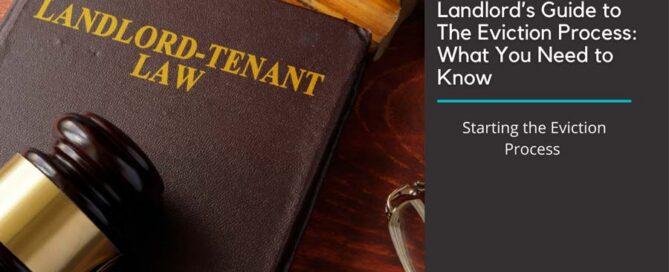
Landlord’s Guide to The Eviction Process: What You Need to Know

Your renter didn’t pay this month, or maybe it has been a couple of months, what do you do now!? No need to panic, with this detailed guideline you’ll be prepared to navigate the eviction process and plan for the attorney fees incurred in an unlawful detainer case. Over the last 40 years, Management One has filed over 2,000 evictions. Not much surprises us anymore during an eviction. I hope you find this information useful and eases any anxiety you might be having.

Starting the Eviction Process: Did you post the notice?

After the rent is due and the grace period has expired, the eviction process starts. You will need to post a 3-day notice to pay or quit the premises. This notice is the basis for your eviction process. To file the case, make sure all information is accurate to avoid delays in your eviction process…

Avoid residents filing an Arrieta claim, make sure to file for all unknown occupants to avoid further delays in the eviction process. Click here to ensure you are filling out the 3-Day Notice correctly.

Waiting Period

After the 3-day notice is given to the resident, there is a waiting period. Actually, there is quite a bit of waiting around in the eviction process. Be prepared financially for an eviction process of at least 45 days after the initial notice was served, that is for an uncontested unlawful detainer (more details to come).

As mentioned in the article dedicated exclusively to eviction notices, there are different ways to serve someone with the 3-day pay or quit notice and each of them has a different waiting period.

Here are some examples:

  1. Personal Service: 3 days
  2. Posting on the door: 10 days

After the waiting period has expired you…

File unlawful detainer with the court

You might choose to retain an attorney to help you get all the right paperwork filed, any mistake can translate into extra time without the income of your rental. An attorney’s start rate for an unlawful detainer lawsuit is about $700-$800 in the Inland Empire.

If you decide to do it yourself, you will need the following documents to file an unlawful detainer case:

  1. Copy of the lease agreement
  2. Copy of the 3-day notice that served to the tenant
  3. Proof of service signed by the person that served the resident with the notice to pay or quit.
  4. Completed UD100 form


I filed, now what?

You will need to serve your tenant with the eviction paperwork. In California, you are not allowed to personally serve them.

Therefore, you might elect to hire someone to do it for you. This person will need to sign a proof of service form which will need to be filed with the court. Professional process servers cost anywhere from $50 to $100.

There is usually a 1-2-week period where your process server will try to serve the tenant with the unlawful detainer paperwork. If the tenant evades service then a request for a postal order will need to be requested from the judge.

Posting order

This is requested when a tenant evades service for up to 2 weeks. To keep the case going you must request the judge to approve for you to serve them via postal mail. Once the request is filed with the court it will take a couple of days to get back the signed approval from the judge.

Second Waiting period

Once your tenant has been served with the unlawful detainer paperwork either personally or by mail, he or she has 5 days to file an answer with the court.

Caveat: They might file for a demurrer in this time period.

According to Wikipedia “A demurrer is a pleading in a lawsuit that objects to or challenges a pleading filed by an opposing party. The word demur means “to object”; a demurrer is a document that makes the objection”

(California Code, Code of Civil Procedure – CCP § 430.10)

Once the demurrer is filed, a court date will be scheduled in which where the judge will decide if the unlawful detainer lawsuit needs to be thrown out or not.

If the demurrer is denied to the tenant you go back to the answering period and the tenant has another 5 days to file an answer to the unlawful detainer case with the court.

Crossroads:

Court proceedings or Sheriff Lockout

Whether the resident filed an answer with the court or not will have an impact on how long your case takes to complete.

Contested: filed answer with the court

If the tenant filed a response with the court, a trial date will be scheduled, usually within 15 days (with the Riverside, CA courts).

Uncontested: DID NOT file an answer with the court

If the tenant DID NOT file a response with the court, a writ of possession package will need to be filed with the court. Once the judge signs the approval, the file is sent to the Sheriff’s office and they schedule a date and time to escort the tenant out of the property.

The Sheriff’s office posts a 5-day notice to vacate the property and provides you with a lockout date. Make sure to take a locksmith to the lockout date so that locks are changed and your tenant can’t access the home again in the future. The case up until this point usually takes about 45 days (with the Riverside, CA courts).

Make sure to check on the tenants’ response which was filed with the court so that you are prepared for your court date.

Organize your paperwork and make sure to bring all pertinent data.

Trial checklist

Bring copies of all these documents:

  1. Any written notes, emails, or letters that detail any conversations or agreements between you and your tenant
  2. Written rental/lease agreement
  3. Any written modifications made to the rental/lease agreement
  4. A 3-day notice to pay or quit
  5. Tenant’s payment record
  6. Invoices for work that has been completed in the home and for which the resident may be making claims in their answer with the court.
  7. Print any pictures or documentation that may be relevant to the case.

Court appearance

Upon arrival to court, you will need to identify your court case on the sheet posted at the entrance. Then, check-in with the court clerk. If you have an attorney, he/she will do that for you. Take a seat and wait for your case to be called.

The going rate for an attorney appearing in court for you is between $150-$200.

Bankruptcy

Bankruptcy is often used as a legal tactic to delay the eviction process. Tenants who know how to work the system often file bankruptcy as a stall tactic in these proceedings.

In this case, you will need to file a motion in bankruptcy court to get the eviction “vacated” or removed from the bankruptcy filing. A court date will be set for this and might take about 15-25 days.

There is a hefty cost to file this motion, it runs about $600-$800.

Once you get the eviction case removed from the bankruptcy you can return to the eviction process.

More waiting…

Once the eviction process resumes and you are given a new court date you may resume with finalizing the eviction process.

Final court date (if Arrieta claim avoided)

Make sure to bring all of the previously mentioned paperwork in the eviction trial checklist.

You may choose to reach an agreement with the tenant before going in front of the judge. If you make an arrangement and present it to the clerk it will be given to the judge. Not only might you get to go home sooner, but it might help if you have reservations about how strong your case is.

Judges usually go in order of complexity leaving the cases that must be heard for the end. Therefore, if you are able to reach an agreement and get it in front of the judge you might be leaving earlier.

If you are not able to reach a settlement with the tenant before your case is called, you will present your case to the judge.

In your presentation, be sure to be concise and to the point. Use the KISS method:

  1. Keep
  2. It
  3. Short and
  4. Sweet

The judge will review the claims you stated on the unlawful detainer (UD-100) form you filed with the court.

The judge will ask if you have anything to add and verify the information with you. Then, the tenant will have an opportunity to explain their part of the story and why they have a right to remain on the premises. Based on the information provided the judge will make a ruling.

If the judge rules in your favor he will give a deadline for the lockout to occur, usually they grant lockout in about 15 days from the court date. (Riverside courts) The judge will issue the writ of possession and it gets sent to the Sheriff’s office to schedule the lockout date.

Final Thoughts

After it is all said and done; you will be buried in paperwork, court appearances, and motions; months would have gone by. Therefore, it is important to pay attention to detail and make sure to strictly follow the legal guidelines to avoid unnecessarily added time to the eviction process.

As it is, an unlawful detainer case can take anywhere from 45 days for an uncontested case to 4-6 months for a contested case.

Like I mentioned before, it all depends on what legal motions are used by you and the tenant in the eviction process.

Sound too complicated, and you have a full-time job and a family? Let Management One handle it! It is worth your time and peace of mind knowing that it will be handled correctly and no further time will be added to the eviction process.

Download our exclusive Eviction Map. This map will guide you through the process of an eviction.

Don’t lose another wink of sleep!

Let the professionals handle your rental property.

By |2023-09-08T15:04:45-07:00September 8, 2023|Landlord Education|Comments Off on Landlord’s Guide to The Eviction Process: What You Need to Know

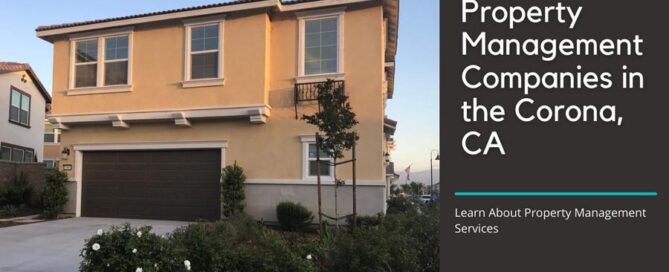
Best Property Management in Corona, California

If you have a property located in Corona, California which is considered the Gateway of the Inland Empire (just past Orange County, traveling east on the 91 freeway), chances are you may have considered renting it out. And, why not? The rental market is hot right now.

Considering the Possibility of Renting Out Your Property

If you are one of the lucky ones who own property right now, you may be fortunate enough that you don’t need to sell it right away. In fact, this is a blessing, because renting out the property, in this market, has the potential of turning a better profit in the long run. Not only could the rent be applied towards the mortgage payment, eventually paying off the property, but over time you could see appreciation in the value of the property as well. When the home is paid off, the rent you receive could be the cash flow you can rely on in your retirement years, especially if you are able to have more than one rental property.

In Need of Good Property Management

However, this enterprise always starts with the first one, and usually, it’s the management that makes or breaks the deal. So make sure you have a good manager in place to give you the confidence, that this is a good investment, and you can build a solid portfolio with real estate in Corona, California.

Choosing the best property management company in Corona to manage your property can be a daunting task. To speak plainly, not all property management companies are created equal. It’s usually services and fees, above quality, that really differentiates each of them. While we have been in business for 30-years, we know that Management One may not be the fit for everyone. Therefore, we have compiled a list of who we consider some of the best property management companies for your review. We hope this makes your life a little easier when choosing the best property management company for your property management needs.

Below is a list of our top 4 choices located in the Inland Empire area of Corona, California

Landmark Real Estate, located in Corona, CA, managing over 500 single-family residences for over 12 years.

Real Property Management Integrity, located in Riverside has been in Real Estate for over 13 years.

O’Neill Property Management has two locations, one in Corona and the other in Riverside. They have been managing property in the Inland Empire for over 35 years, with close to 500 properties in Riverside and 300 properties in Corona.

Signature Sales & Management has been managing property in the Inland Empire for the past 12 years. They currently manage properties from two locations, one in Corona and the other in Temecula.

We also thought you may like to look at:

Finally, we thought you may like to know what your property may rent for. We can provide you with a Free Comparative Rental Evaluation…a report that suggests a Fair Market Rent Value, based on recently rented properties that are comparable to yours. There is no obligation, it’s our way of providing you the information you need to make an informed decision, whether renting out your property makes sense for your situation, or not.

By |2023-09-07T10:31:35-07:00September 7, 2023|Landlord Education, Property Ownership|Comments Off on Best Property Management in Corona, California

Best Locksmiths in Riverside County

Ever experienced a Friday night frenzy like this?:

You roll up to your doorstep, Friday night fatigue heavy in the air, excited to unwind and kick off the weekend. With anticipation, you reach into your pocket, pull out your key, and insert it into the lock. But wait – it won’t budge. Panic trickles in as you give it another go. Nope, still no luck. That’s when it hits you – you’re locked out. The house key seems to have a mind of its own, and you’re left standing outside, staring at your front door.

You briefly contemplate the garage door remote in your car but then remember your son borrowed it for his night out with friends. Cue the sense of impending doom. It is late, dark, and you’re locked out of your sanctuary. The prospect of camping out in your car doesn’t exactly sound like the grand weekend kickoff you had in mind. And let’s be honest, you’re wondering if any locksmith would show up at your doorstep in the dead of night without emptying your wallet.

Take a breath because I’ve got a solution that might save your Friday night and your sanity. I’m here to introduce you to the three best locksmith companies in Riverside County. Why am I so confident? Over the past three decades, we’ve been building solid relationships with these locksmiths. We’ve worked side by side, hand in lock, on over 10,000 rekeys for our rental properties.

Picture this: We ensure the locks are re-keyed each time a new resident moves into one of our properties. It’s a simple step for their safety and your peace of mind. And yes, we’ve had our fair share of dramatic moments – from evictions where locks needed quick changes to those classic cases of Friday night mishaps when residents accidentally lock themselves out.

So, if you ever find yourself locked out, stranded in the darkness, fret not. Our trusted locksmith partners are just a call away. With more than three decades of experience, we’ve got their numbers on speed dial, and they’re ready to swoop in and save your night. No outrageous charges, no hidden fees – just reliable help when you need it most.
Remember this: next time you’re in a pinch, we’ve got the locksmith heroes to unlock your peace of mind. So, let the weekend begin worry-free.

Sharing with you a list of the …

Best Locksmiths in Riverside County

Locksmith Hotline

Locksmith Hotline is your trusted partner in locksmith services! Surely, your security needs are in their capable hands. Established in 2018 by JoeyRey, his passion for assisting others during their needs drives Locksmith Hotline to pursue what they do now. The founder is deeply grounded in bringing value and growth to the company and the team members. He firmly believes his people are the KEYS to Locksmith Hotline’s everyday success.

Locksmith Hotline is inspired by its mission, “Safety should never be compromised,” which constantly reminds them why they do what they do. They offer a comprehensive range of services, including Residential and Commercial lockouts, Security Commercial door plates, Car lockouts, re-keying, key duplication, and more.

Based in Hesperia CA, Locksmith Hotline proudly extends its services to Riverside County, Orange County, and other areas spanning over 60 miles. Its commitment to your security is unwavering, so it operates 24/7, including evenings, weekends, and holidays. Whether it’s your home, business, or vehicle, Locksmith Hotline is here to ensure your safety with professionalism and a friendly touch. Contact Locksmith Hotline at (442) 368-1269 or email them at LocksmithHotline. Thankyou@gmail.com for all your locksmith needs!

Don’s Lock & Key

Don’s Lock & Key is your reliable locksmith partner with a legacy spanning over three decades! This family-owned business was established in 1990, and they have been servicing our company for over 15 years.

Don’s Lock & Key’s philosophy is simple: to provide its customers with a diverse range of top-notch security solutions at affordable prices. With a firm footing in Riverside CA, it extends its services to Riverside County, San Bernardino County, Orange County, and Los Angeles County, establishing itself as the go-to full-service locksmith in the region.

From Residential to Commercial, Auto to Safes, Car and Home Lockouts, Marshall lock-outs, and more, Don’s Lock & Key is the one-stop-shop for all locksmith needs. It takes pride in being one of the premier locksmith companies in the Inland Empire, Long Beach, and surrounding cities.

Your security is Don’s Lock & Key’s top priority. As a licensed, bonded, insured, and AAA roadside assistance contracted locksmith, Don’s Lock & Key is always here for you, offering 24-hour emergency service. Discover the peace of mind that comes with Don’s Lock & Key – your reliable partner in safeguarding what matters most.

Pop-A-Lock Inland Empire

Pop-A-Lock Inland Empire is your friendly local locksmith company specializing in automotive and home lockouts, and it goes beyond just keys and locks. Why? It is because Pop-A-Lock Inland Empire is proud to be engaged in giving back to the neighborhoods.

Established in 1991 and headquartered in Rancho Cucamonga CA, it brings decades of knowledge and experience to every call. With a presence in over 5,500 communities nationwide, its dependability knows no bounds. They have serviced several homes, apartment complexes, and commercial properties. When emergencies strike in the Inland Empire and Orange County area, you can count on its prompt and dependable emergency services, that’s 24/7, including holidays. Its focus on high-quality customer service is like no other because they are always on time for the job, gives excellent service, and has great pricing.

Technology evolves, and so does Pop-A-Lock Inland Empire. It remains at the forefront, investing in the latest locksmith technologies to ensure you receive the best possible service. Choose Pop-A-Lock Inland Empire for a partner that’s more than just keys – it’s a community-focused locksmith that keeps you secure and supported.

What Makes a Preferred Vendor?

Extension of our team

Our contractors are an extension of our team. They are our eyes and ears in the field every day. They are entering homes with families in them, and we need to trust that they will treat everyone with respect. In addition, they must provide on-time service, competitive pricing, and be licensed, bonded and insured. We take the time to verify every contractor, put them through a probationary period, follow up on every service call, and more.

Customer Service

We conduct surveys on every work order that is issued from our office. We want to make sure that all work is completed and done correctly. The surveys are monitored by management and corporate to make sure all concerns are addressed. We take vendors and maintenance very seriously.

Pricing

Our cost for labor and parts is on a pre-set price list for our vendors. This helps you as an owner, knowing you are getting a fair price and will not get ripped off. We review our price list yearly to keep it competitive with the market. We research online and go into Home Depot and Lowes.

Timely Service

All 3 vendors are at the top of the field. With their timely response and taking care of their clients, I wouldn’t contact another company. All three vendors also are available 24 hours/ 7 days a week including holidays.

Years of collaborating with contractors have refined our expectations to an elevated standard. The contractors we endorse on our preferred vendor list are no ordinary entities; they epitomize excellence. Being featured here signifies their status as top-tier companies that have consistently met and exceeded our stringent criteria. Our experience has made us discerning judges of quality and professionalism, and these chosen contractors reflect our dedication to providing the best to our clients. Our preferred vendors are reliable and exceptional, demonstrating their commitment to the highest levels of workmanship, reliability, and customer satisfaction. With our seal of approval, you can trust that these contractors will uphold the quality and service that we demand and that our clients deserve.

By |2023-08-31T14:08:00-07:00August 31, 2023|Landlord Education, Maintenance|0 Comments

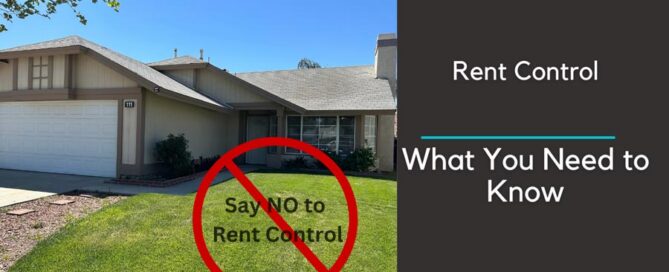
Navigating Rent Control for Landlords in California

As landlords who have chosen to rent out their properties with Management One, you understand the intricate balance between providing quality housing and maintaining financial stability. However, a newly introduced bill in California has raised concerns about the potential effects of rent control on single-family homes, condominiums, and apartments, particularly as they age past 15 years. In this blog post, we’ll delve into the details of this bill and explore how it could impact you as a landlord within the Management One community.

Understanding the SB 466 Proposal

The legislation, Senate Bill 466, put forth by Sen. Aisha Wahab of Hayward, proposes significant changes to the existing rental landscape. This bill aims to dissolve key aspects of the Costa-Hawkins Rental Housing Act, a landmark law designed to protect rental housing in California. Costa-Hawkins, among other things, restricts local governments from implementing rent control ordinances on housing constructed after 1995 and on single-family homes and condos, regardless of age.

Sen. Wahab’s proposal seeks to dismantle these protections, allowing cities and counties to enforce strict rent controls on single-family homes, condominiums, and apartments once they reach the age of 15. This shift could have far-reaching implications for landlords who rent out their properties through Management One.

Potential Effects on Homeowners

man holding calculator with wooden house models on a table
Financial Impact:

One of the primary concerns for landlords and investors within Management One is the potential financial impact of rent control. If SB 466 is enacted, landlords and investors might face limitations on their ability to increase rental prices in response to changing market conditions. This could impact your ability to cover maintenance costs in repairs that Fair Housing requires, property taxes, rising insurance rates significantly, and mortgage payments adequately.


Long-Term Viability:

As a landlord, you likely envision your property as an investment that yields steady income over the years. Rent control measures could disrupt this vision by limiting your ability to adjust rents to keep pace with inflation and rising costs, potentially affecting your property’s long-term viability as an income source.


Market Dynamics:

Rent control policies might distort the natural supply and demand dynamics in the rental market. With restricted rent increases, homeowners might feel less incentivized to maintain or improve their properties, potentially leading to a decrease in the overall quality of rental housing available and the condition of the property itself.


Vacancy Control:

Another key aspect of the proposed “Justice for Renters Act” is vacancy control, allowing local governments to regulate rents even after residents move out. This policy could further limit your ability to regain market rates between tenancies, impacting your potential earnings and overall property management. Material and Labor costs have skyrocketed by over 40%.

The Role of Existing Legislation

While these proposed changes are significant, it’s important to note that existing legislation already provides some protections and guidelines. The Tenant Protection Act of 2019 (AB 1482) established a statewide rent cap that applies to properties older than 15 years. This cap restricts annual rent increases to 5% plus the change in the consumer price index or 10%, whichever is lower. However, AB 1482 applies primarily in areas not covered by local rent control laws.

Management One’s Commitment

Management One remains dedicated to assisting homeowners in navigating these potential changes and their implications. We understand the concerns and uncertainties that rent control proposals can bring, and we are actively monitoring the situation to provide you with the latest information and insights.

Conclusion

As a valued client within the Management One community, staying informed about rent control developments is essential. The proposed SB 466 and the “Justice For Renters Act” could reshape the rental landscape and impact your property’s financial viability. While these changes are still in the proposal stage, it’s crucial to be prepared for potential shifts in the rental market and to explore strategies to mitigate any adverse effects on your investment.

We will continue to keep you updated as developments unfold and work alongside you to ensure your success in this evolving rental environment. If you have any questions or concerns, please don’t hesitate to reach out to us at Management One.

By |2023-08-31T13:55:57-07:00August 31, 2023|Landlord Education, Property Ownership|Comments Off on Navigating Rent Control for Landlords in California
Go to Top