Lease Buyout in California: How Much a Tenant Should Offer, What a Landlord Can Ask and How to Put It in Writing (2026)

A lease buyout is a written deal in which a landlord agrees to end a rental lease early in exchange for a payment from the tenant. In California, buyouts are usually priced at about one to three months' rent, set by how fast the unit can be re-rented and what turnover will cost, and they should always be put in a signed agreement that releases the tenant from future rent. This guide covers residential rentals, not car leases.
If you are a tenant who needs to move, or an owner who just received that request, here is how to price a buyout, what the law says, and what the paperwork should contain.
Information current as of October 28, 2026. This is general education, not legal advice.
How a lease buyout works
Say a tenant has eight months left on a 12-month lease when a job transfer comes through. The tenant can leave and hope for the best, wait for a lawsuit for unpaid rent, or ask the landlord for a negotiated exit. In a buyout, the two sides agree on a move-out date, a payment amount, what happens to the security deposit and a mutual release. The original lease stays in place until the terms are met.
For the tenant, the appeal is certainty: a known cost instead of an open-ended claim. For the owner, a buyout gets the unit back on the market sooner, avoids a collections dispute and replaces uncertain future rent with money in hand.
The law behind the negotiation
Two California statutes shape what a fair buyout looks like.
The landlord must try to re-rent. Under Civil Code Section 1951.2, when a tenant leaves early the landlord can recover unpaid rent and certain related losses, but only after subtracting losses the tenant proves the landlord could reasonably have avoided. In plain terms, the landlord cannot leave the unit empty and bill the tenant for the entire remaining term. Reasonable advertising and re-leasing costs can be part of what is owed, and rent from a new tenant reduces it.
Penalty clauses are limited. Under Civil Code Section 1671, a liquidated damages clause in a residential lease is void unless the parties agreed on a presumed damages figure and actual damages would have been impracticable or extremely difficult to fix when the lease was signed. That means a flat "early termination fee" in a lease can be challenged. A buyout negotiated after the tenant asks to leave is different. It is a settlement between two parties, but pricing it near the owner's real expected loss keeps it fair and hard to dispute.
These rules explain why buyouts are a negotiation and not a formula. The tenant has leverage because the owner must mitigate. The owner has leverage because a tenant who walks away without an agreement can face claims, a deposit deduction and a collection record.
How to price a lease buyout
Start with what the owner actually stands to lose, then see what is reasonable to ask.
| Cost component | What to estimate |
|---|---|
| Vacancy | Days the unit will likely sit empty multiplied by daily rent (monthly rent divided by 30) |
| Turnover | Cleaning, touch-up paint, carpet or flooring wear beyond normal use |
| Marketing and leasing | Advertising, showings, screening and any leasing fee |
| Concessions | Discounts or incentives needed to re-rent quickly, if the market is soft |
| Offsets | Rent the new tenant pays, and any rent increase the owner can now capture |
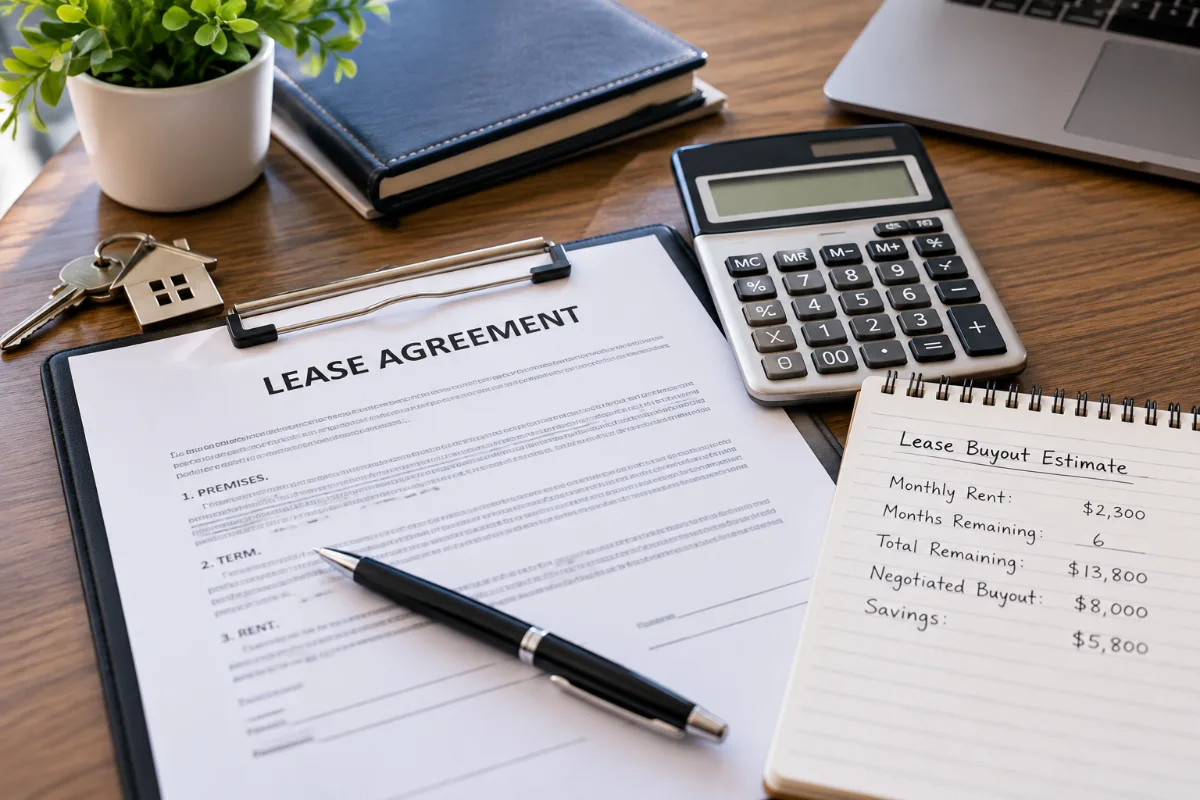
Example (illustrative numbers only). Monthly rent is $2,600, which is about $87 per day. The owner expects 30 days of vacancy ($2,600), $600 in cleaning and paint, and $400 in marketing and screening. The estimated loss is about $3,600, or roughly 1.4 months' rent. A buyout in the range of one to two months' rent would be a reasonable opening conversation. Your numbers will differ with your market, your unit and how the lease handles turnover.
A few things move the price up or down:
- A replacement tenant. A qualified applicant ready to sign cuts vacancy to near zero and usually cuts the fee with it.
- Timing. Leaving in a slow season costs the owner more than leaving in spring or summer.
- Time left on the lease. The longer the remaining term, the greater the exposure and the more a clean exit is worth.
- Market rents. If current rents are above the tenant's rent, the owner may re-rent at a higher price and may accept less.
- Lease terms. Read the lease for any early-termination option, notice period or fee. A clause giving the tenant a stated way to terminate is different from a penalty for breach, but enforceability depends on the wording.
Online lease buyout calculators can help you get the arithmetic right, but they cannot know your local market, so treat the output as a starting point and not a legal figure.
Tenants who bring a qualified, screened applicant often pay little or nothing. Owners should still run their normal screening and lease terms on that person. A replacement tenant is a new lease, not a transfer of the old one.
When you may not need a buyout at all
Some tenants have a legal right to leave early without a negotiated fee. Check these before offering money:
- Crime victims. Civil Code Section 1946.7 lets certain tenants, including victims of domestic violence, sexual assault and other listed crimes, end a tenancy with written notice and the required documentation.
- Military orders. The federal Servicemembers Civil Relief Act allows eligible servicemembers to terminate a residential lease when they receive qualifying orders, with written notice and a copy of the orders.
- Unsafe units. When a serious habitability problem goes unfixed after notice, state law lets a tenant vacate and be released from further rent, or use a limited repair and deduct remedy.
- Landlord violations. Harassment or illegal entry can support claims that change the leverage in a negotiation.
Our guide on how to break a lease in California walks through these exceptions in more detail.
How to negotiate a lease buyout, step by step
For tenants
- Read your lease. Find the term, notice requirements, any fee language and rules on subletting or assignment.
- Ask in writing, early. Email a short request with your desired move-out date. Do not move out first, because that removes your leverage.
- Offer something concrete. A fixed amount, a replacement tenant, or both.
- Show you will leave the unit clean. A clear move-out plan lowers the owner's turnover estimate.
- Get the agreement signed before you leave. Verbal promises from a manager do not protect you if the manager changes or the owner disagrees.
- Pay with a traceable method and get a receipt marked paid in full.
For owners and property managers
- Respond promptly. A fast, professional answer shortens vacancy.
- Calculate your actual exposure using the table above and keep your notes.
- Offer a fair figure and a deadline. Pricing near real costs makes the agreement easier to sign and defend.
- Start marketing as soon as the date is set, which reduces your loss and supports the mitigation record.
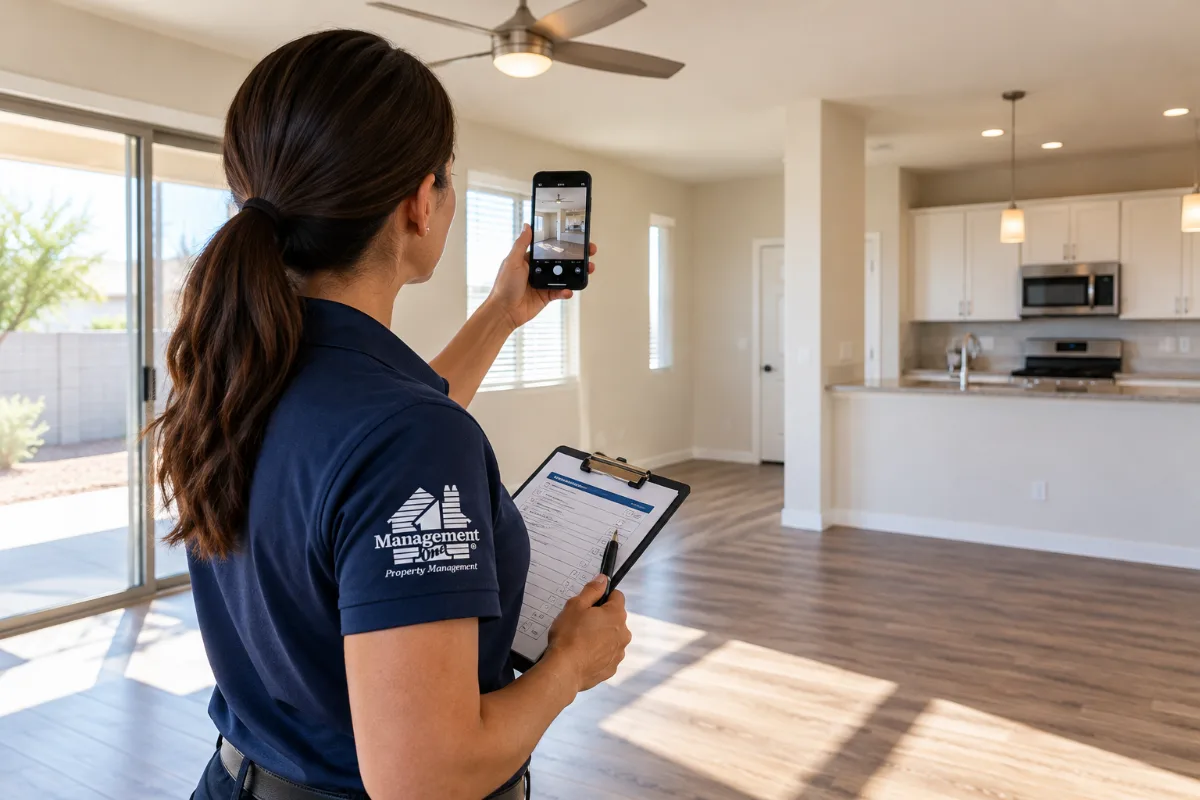
- Do a move-out inspection and document condition with photos.
- Follow the agreement exactly, including the deposit timeline.
What to put in a written lease buyout agreement
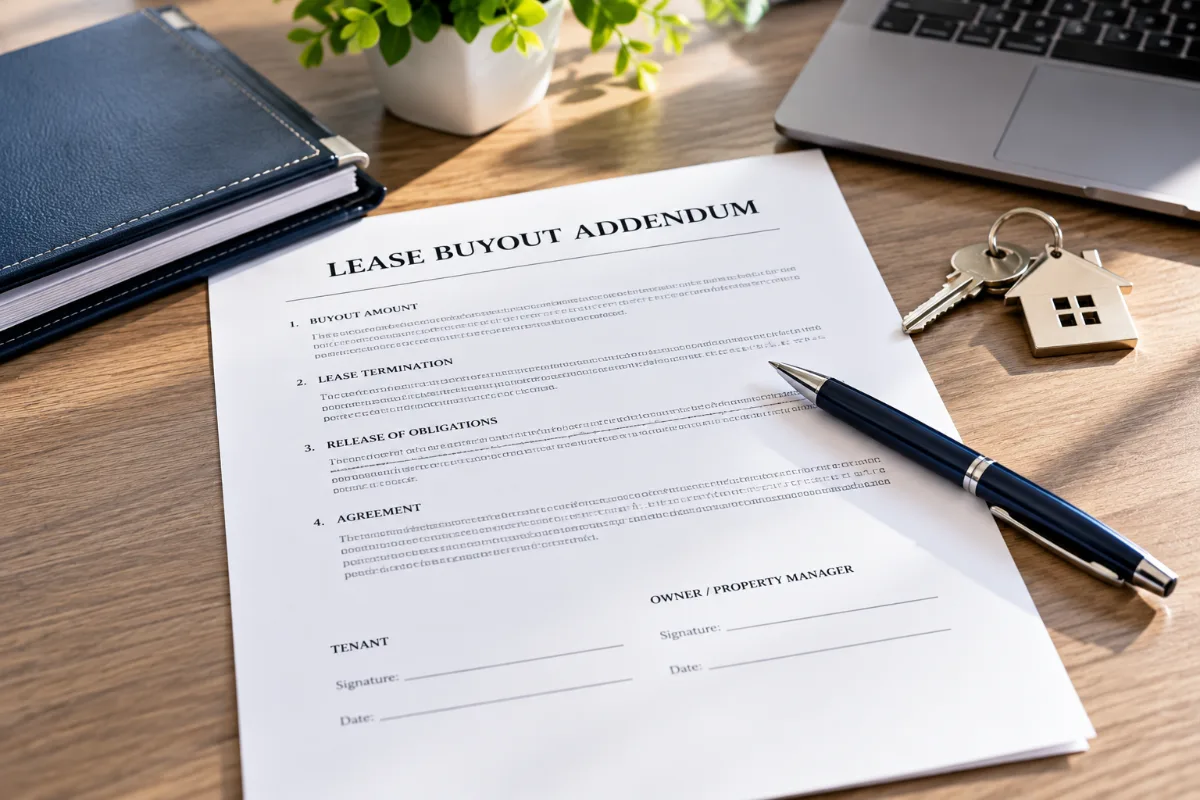
A one-page addendum is often enough, but it should cover:
- Names of all tenants and the owner, and the property address
- The original lease date and the agreed early termination date
- The buyout amount, due date and how it will be paid
- The move-out condition, key return and final walkthrough date
- How the security deposit will be handled
- A mutual release of future rent and lease obligations once the terms are met, other than damage beyond normal wear and tear found at move-out
- A statement that the payment is a negotiated settlement and not a penalty
- Signatures from every tenant on the lease and from the owner or authorized agent
Sample language (not legal advice): "Tenant will vacate the premises by [date] and pay Owner [amount] on or before [date]. On Owner's receipt of this payment and return of possession in the condition required by the Lease, Owner releases Tenant from all further rent and obligations under the Lease, and the parties agree the Lease will terminate on [date]. The security deposit will be [applied to the above / accounted for under Civil Code Section 1950.5]."
What happens to the security deposit
Many buyouts apply the deposit toward the fee, which keeps the tenant's out-of-pocket cost down. Others leave the deposit to be accounted for normally. Either way, say so in writing. Because California caps most deposits at one month's rent, a two-month buyout will usually exceed the deposit, so the tenant would need to pay the difference. For the rules on timing, itemizing and returns, see our overview of security deposit law in California, and for what a tenant owes at move-out, see tenant move-out responsibilities.
Common mistakes to avoid
- Moving out before the agreement is signed
- Relying on a text or phone call instead of a written, signed document
- Leaving out the release, which can leave the door open to later claims
- Forgetting a roommate or co-tenant who signed the original lease
- Skipping the move-out photos
- Using a buyout to pressure a tenant out. Owner-initiated "cash for keys" offers raise separate issues, including tenant protections that may apply, so get advice first.
Where a property manager helps
A good manager prices the buyout on real numbers, starts marketing the day an agreement is reached, handles the paperwork and walkthrough, and keeps deposit accounting clean. Management One handles lease exits for owners across the Inland Empire and Orange County, and our property management fees page explains what is included, so a tenant leaving early does not have to turn into a long vacancy.
If you own a rental and need a plan for an early exit, Management One can run the numbers, draft the agreement and get the unit re-rented quickly. Start the conversation with our Orange County property management team or your local office.
Frequently Asked Questions
What is a lease buyout?
A lease buyout is a written agreement in which a landlord lets a tenant end a residential lease early in exchange for a payment and an agreed move-out date. Once the tenant pays and follows the agreement, the landlord releases the tenant from the rent that would have been due for the rest of the lease.
How much does a lease buyout cost in California?
There is no fixed price. Buyouts are commonly set between one and three months' rent, and the right number depends on how quickly the unit can be re-rented, the cost of turning it over and what the lease says. A tenant who can find a qualified replacement tenant often pays less.
Does a California landlord have to try to re-rent the unit?
Yes. Under Civil Code Section 1951.2, a landlord who loses a tenant early cannot simply let the unit sit empty and collect the full remaining rent. The landlord must make reasonable efforts to re-rent, and the tenant can reduce what is owed by showing losses the landlord could have avoided.
Can a landlord charge an early termination fee in a lease?
A lease clause that sets a penalty for breaking the lease is generally treated as liquidated damages, and under Civil Code Section 1671 that kind of clause in a residential lease is void unless actual damages would have been impracticable or extremely difficult to determine. A negotiated buyout after the tenant asks to leave is a different thing: it is a settlement both sides agree to in writing.
Can I leave a lease early without paying a buyout?
In some situations, yes. California gives tenants early-exit rights in specific cases, such as certain victims of domestic violence and other crimes under Civil Code Section 1946.7, servicemembers with qualifying military orders, and serious habitability problems the landlord does not fix. Each has its own notice and proof rules.
What happens to my security deposit in a buyout?
It depends on what you agree to. Some buyouts apply the deposit toward the fee, and others leave it to be accounted for in the normal way. Put the answer in the agreement, and remember that California still requires an itemized accounting within 21 days after move-out when deductions are taken.



Related Posts