Insurance: One of the Most Important Investments A Landlord Can Make

Insurance is one of those topics that isn’t always exciting to discuss, but it’s one of the most important parts of protecting your investment property. Each year, I like to take a moment to review insurance coverage because I never want an owner to experience a loss only to discover afterward that they were missing critical protection. A quick review today can save significant stress and expense down the road.
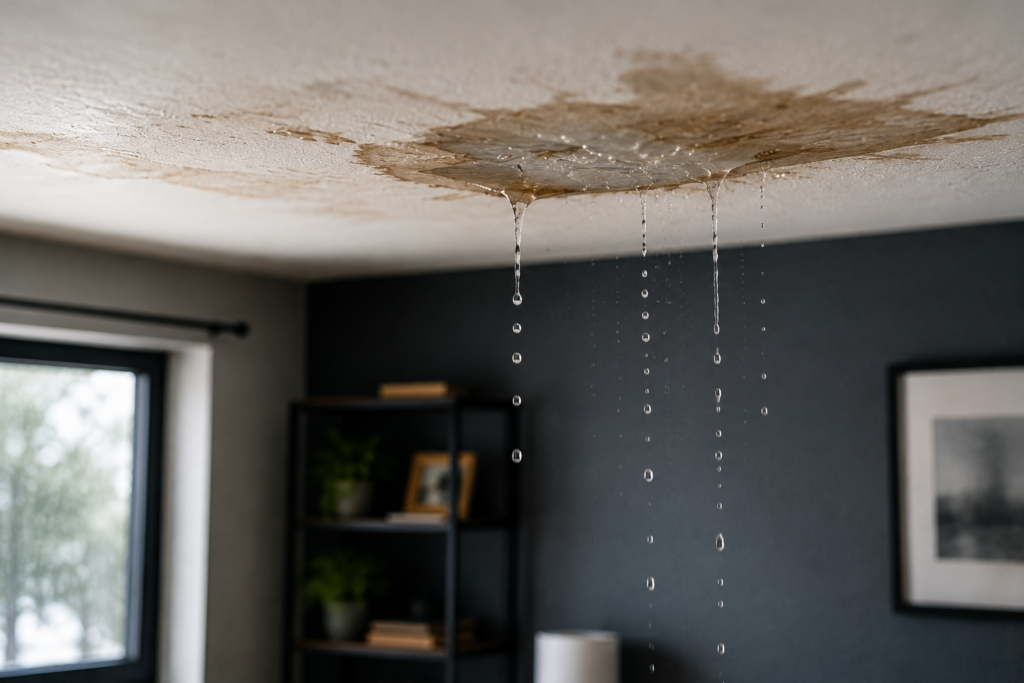
Since November 2023, we have handled 68 major water intrusion incidents. Whether caused by heavy rain, plumbing failures, or other leaks, these events resulted in damages ranging from collapsed ceilings and damaged flooring to mold remediation and extended vacancies.
Having the proper insurance coverage in place can help protect you from significant unexpected expenses. It is also important to ensure your insurance policy matches how the title is held for the property. For example, if the property is owned by a Trust or LLC, the insurance policy should reflect that ownership structure correctly.
In addition to standard liability protection, there are four key coverages every landlord should review with their insurance provider:
- Malicious Intent
- Fire Coverage
- Loss of Rent (Loss of Use)
- Vandalism
Malicious Intent Coverage
Most residents take good care of their homes, but occasionally, we encounter situations where a resident intentionally damages the property beyond normal wear and tear.
Examples include:
- Extensive damage to the flooring
- Large holes in walls
- Excessive debris left behind
- Severe unsanitary conditions
While these situations are uncommon, they do happen. Repair costs can quickly add up, leaving owners responsible for substantial expenses.
Malicious Intent coverage can help protect you from these unexpected costs.
Equally important is requiring residents to maintain renters’ insurance. In some situations, damages may be recoverable through the resident’s policy, helping protect your insurance history and premiums.
The good news is that many insurance carriers include this coverage at little or no additional cost.

Fire Coverage
Fire coverage is one of the foundations of any landlord insurance policy.
The most important thing to review annually is your property’s replacement cost value. Construction and material costs continue to increase, and many policies do not automatically keep pace with inflation.
If your replacement cost is too low, you may not have enough coverage to rebuild after a major loss. NOTE: It’s the owner of the policy’s responsibility to make sure you have adequate coverage, NOT the insurance company. Take a few minutes each year to confirm your coverage limits with your insurance professional.
Loss of Rent (Loss of Use)
As rental property owners, we all think about cash flow. But what happens if a major loss makes your property uninhabitable?
Consider situations such as:
- A fire
- Significant water damage
- Major repairs following a covered loss
Even if the property cannot generate rental income, mortgage payments, taxes, insurance, and other expenses often continue.
Loss of Rent (sometimes called Loss of Use) coverage can replace lost rental income while repairs are being completed. Many policies provide up to 12 months of coverage, though limits vary by carrier.
This coverage can provide tremendous peace of mind during what is often a stressful situation.
Vandalism Coverage
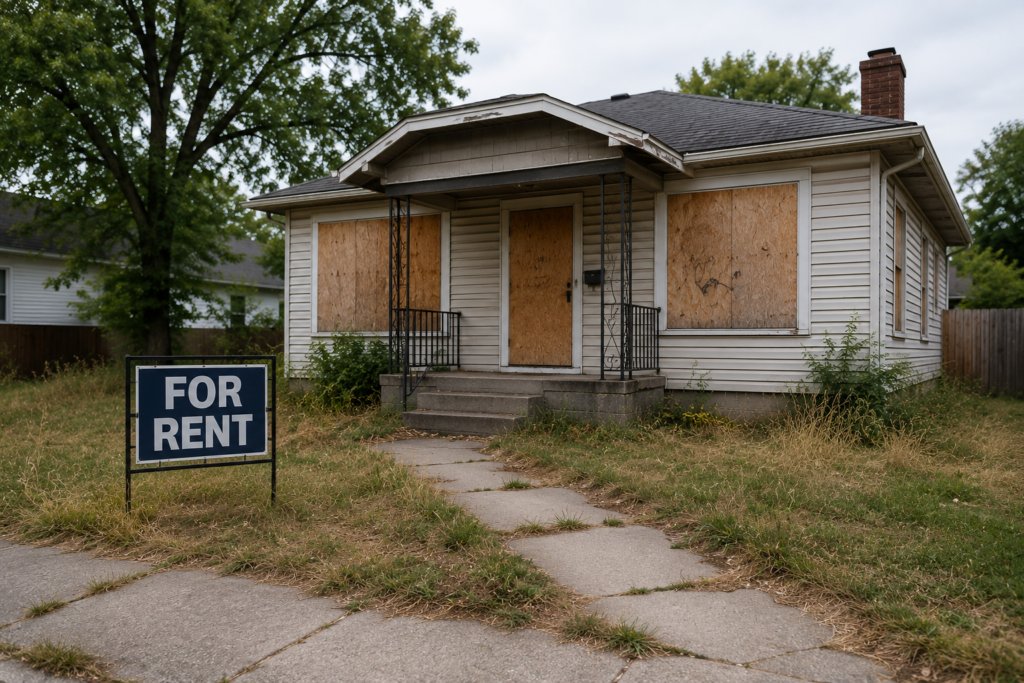
Imagine your property is vacant between residents and someone breaks in, damages the home, or steals equipment such as an air conditioning unit.
Without proper coverage, these losses can be expensive. Vandalism coverage may help pay for repairs and replacement costs resulting from intentional property damage.
One important consideration is vacancy. Many insurance policies reduce or eliminate coverage after a property has been vacant for a certain period, often 30 days. If your property may remain vacant for an extended period, speak with your insurance provider about vacancy coverage options.
Liability Coverage
Although not one of the four coverages listed above, liability protection is arguably the most important component of your insurance policy.
Liability coverage may help protect you if someone is injured on your property and you are found legally responsible. Properties with features such as pools, spas, or other higher-risk amenities may warrant additional liability protection.
Many experienced owners/landlords increase their coverage from $300,000 to $1 million for just $10 more a year. Discuss your coverage limits with your insurance advisor to determine what is appropriate for your situation.
Why We Require Renters Insurance
Management One requires residents to maintain renters insurance throughout their tenancy.
New residents must provide proof of insurance before move-in, and existing residents must provide updated proof of coverage when renewing their lease.
This requirement helps protect both the resident and the property owner.
We have experienced situations involving fire, water damage, and other losses where insurance coverage made a significant difference in how quickly claims were resolved and damages were repaired.
Unfortunately, we have also seen situations where coverage had lapsed, creating unnecessary complications and financial exposure.

Final Thoughts
Insurance is one of those things you hope you never need—but when something goes wrong, you’ll be glad you have it.
Take a few minutes this week to review your policy with your insurance agent. Confirm that you have adequate landlord coverage, including Malicious Intent, Fire, Loss of Rent, Vandalism, and appropriate Liability protection.
A short conversation today can help protect your investment and provide peace of mind for years to come.




Related Posts